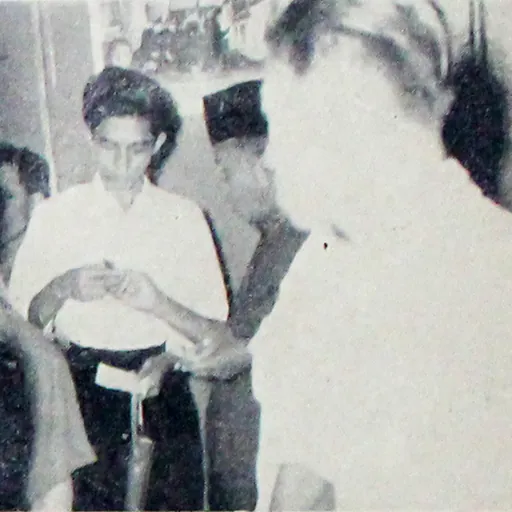
About Rd Ariffien
Lived 1902 – 1976 (aged 74). Rd Ariffien was an Indonesian film director, screenwriter, politician and journalist.
Raden Ariffien, often credited as Rd Ariffien, was an Indonesian film director. Initially a nationalist figure, he entered the film industry in 1940 after a period in theatre and radio. During his 25-year career, he was involved in some 36 films in various positions. He later became head editor of the film magazine Varia.
Early career Ariffien was born in Cimahi, Dutch East Indies, on 23 June 1902. He received a primary-level education. Beginning in 1923 he became involved with the nascent nationalist and labour movements, writing articles for several newspapers. He spent three years in prison during the late 1920s and, shortly after joining the Indonesian National Party , saw another two years in prison from 1930 to 1931. He later focused his energies on the theatre. By the mid-1930s he had joined the Bolero troupe, under the direction of Andjar Asmara. After leaving the troupe he spent some time directing radio dramas.
By 1940 Ariffien had entered film, making his debut on Harta Berdarah (Bloody Treasure). He co-directed the film, which followed a rich yet terrible man getting his comeuppance, with R. Hu for Union Films. The following year he made Asmara Moerni (Pure Passion), drawing the nationalist figure Adnan Kapau Gani to act in the film, which was targeted at well-educated audiences; the film was generally well received. He wrote one more film, Star's Tjioeng Wanara, and directed another, Wanita dan Satria, that year.
After the Empire of Japan occupied the Indies beginning in 1942, Ariffien worked with the Cultural Board (Keimin Bunka Syidosyo) and was given two opportunities to direct propaganda films for the studio Nippon Eigasha. However, the Indonesian film historian Misbach Yusa Biran suggests that a Japanese man named Kurata Bunjin was the actual director of these works, with Rd Ariffien as his assistant. The first, Berdjoang, was released in 1943 and was meant to entice Indonesians to join the army fighting for Japan; it was the only domestically produced feature film released in the Dutch East Indies during the occupation. The second, a short film entitled Keseberang, followed in 1944.
Later career Following the Japanese surrender in 1945 Ariffien took the equipment from Nippon Eigasha and fled to Yogyakarta, establishing Berita Film Indonesia there. During this time, with the Indonesian National Revolution in full force, he focused mainly on newsreels. Ariffien made his return to feature film in 1950, after the Dutch recognised Indonesia's independence, with Meratap Hati (Mourning the Heart), which showed a woman's misery after she was abandoned by her husband. The mid- to late-1950s was his most productive period; he completed more than half his films in the six-year period.
Ariffien joined Andjar Asmara in 1958 at the magazine Varia, working as an assistant. This preceded a drop in the number of films he made. In 1961, after Andjar's death, Ariffien became the leader of Varia. He would make his last film, Takkan Lari Gunung Dikedjar (literally The Mountain Won't Run if Chased) in 1965. The film showed a love triangle between a doctor's wife, a singer, and his girlfriend. Ariffien is recorded as editor of Varia as late as 1978.
Filmography Ariffien was involved with some 36 films, directing 33 (most of which he wrote himself); he also acted in one film.
Cast Taufan (1952)
Crew
Harta Berdarah (Bloody Treasure; 1940) – Director Asmara Moerni (Pure Passion; 1941) – Director and scriptwriter Tjioeng Wanara (1941) – Scriptwriter Wanita dan Satria (The Woman and the Hero; 1941) – Director Berdjoang (Hope of the South; 1943) – Director and scriptwriter Keseberang (To the Other Side; 1944; short film) – Director Meratap Hati (Mourning the Heart; 1950) – Director Budi Utama (1951) – Director Rakjat Memilih (The People Choose; 1951) – Director Dewi dan Pemilihan Umum (Dewi and the Election; 1954) – Director Djakarta Diwaktu Malam (Jakarta at Night; 1954) – Director Eulis Atjih (1954) – Director Antara Tugas dan Tjinta (Between Duty and Love; 1954) – Director Konde Tjioda (1954) – Director and scriptwriter Lain Dulu Lain Sekarang (Different Then, Different Now; 1954) – Director and scriptwriter Gado-gado Djakarta (A Mix of Jakarta; 1955) – Director, screenwriter, and cinematographer Gali Lobang Tutup Lobang (Dig and Cover Holes; 1955) – Director Habis Manis Sepah Dibuang (1955) – Director
Hanja Sepekan (Only a Week; 1955) – Screenwriter Hari Minggu (Sunday; 1955) – Director Ratu Kentjana (1955) – Director and screenwriter Korupsi (Corruption; 1956) – Director Pegawai Negeri (Civil Servant; 1956) – Director Konsepsi Ajah (Father's Conception; 1957) – Director and screenwriter Apa jang Kunanti? (What am I Awaiting?; 1957) – Director and screenwriter Bunga dan Samurai (Flowers and Samurai; 1958) – Director and screenwriter Wanita Indonesia (Indonesian Women; 1958) – Director Dibalik Dinding Sekolah (Behind the School Walls; 1961) – Director Kumbang dan Bunga (Bee and the Flower; 1961) – Director Limapuluh Megaton (Fifty Megatons; 1961) – Director Dara Kembar (Twin Girls; 1960) – Director and screenwriter Kekota (To the City; 1960) – Director Pendjual Koran (Paperboy; 1960) – Director and screenwriter Si Mamang (1960) – Director and screenwriter Takkan Lari Gunung Dikedjar (The Mountain Won't Run if Chased; 1965) – Director
Don’t just read it —
keep it.
Full-length biographies made to live with: read them, listen on the way to work, watch them tonight.
- E-book
- Audio
- Video
Instant download · yours to keep · every purchase keeps this site free
Important facts
People in Rd Ariffien's life
Named in this biography and alive at the same time
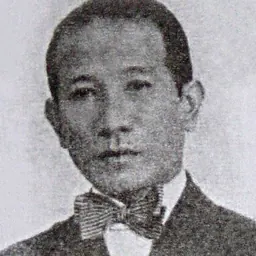
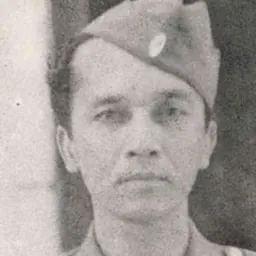

Related people
Same field, nearest in time
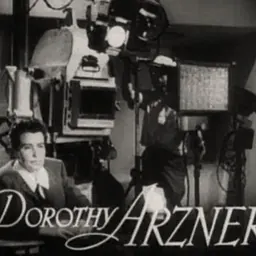



Contemporaries
People whose lives overlapped Rd Ariffien's



Frequently asked questions
Who was Rd Ariffien?
Indonesian film director (1902–1976)
When was Rd Ariffien born?
Rd Ariffien was born on 23 June 1902 in Cimahi.
When did Rd Ariffien die?
Rd Ariffien died on 28 December 1976.
What was Rd Ariffien's occupation?
Rd Ariffien was a film director, screenwriter, politician and journalist.
What nationality was Rd Ariffien?
Rd Ariffien was Indonesian.
Sources & further reading
Cite this page
APA: Biography.guide. (2026). Rd Ariffien. https://biography.guide/rd-ariffien/
MLA: "Rd Ariffien." Biography.guide, https://biography.guide/rd-ariffien/.
Chicago: "Rd Ariffien." Biography.guide. https://biography.guide/rd-ariffien/.
Data last updated: 2026-09-23 · Spot an error? Report a correction.
Portrait: Wikimedia Commons · author & licence
Page generated 2026-09-27 05:06 UTC