
About Ram Chandra Datta
Lived 1851 – 1899 (aged 47). Ram Chandra Datta was an Indian professor, writer, editor, chemist and biographer, known for Disciples of Ramakrishna.
Ram Chandra Datta (30 October 1851 – 17 January 1899) was a householder disciple of Ramakrishna and a writer. Datta was a relative of Indian monk and social reformer Swami Vivekananda. After completing his graduation, he took job of a Government employee and a chemist. He invented an antidote for blood dysentery from an extract of an indigenous medicinal plant and started promoting "modern science".
Datta became a disciple of Ramakrishna and encouraged Narendranath Datta (pre-monastic name of Swami Vivekananda) to go to Dakshineswar and meet Ramakrishna. He died on 17 January 1899 after suffering from heart disease and chronic asthma.
Early life Datta was born on 30 October 1851 in Calcutta (The city is currently known as Kolkata). His father Nrisimha Prasad Datta was a devotee of Hindu god Krishna and his mother Tulasimani was known for her generosity and kindness. Datta's mother died when he was two and a half years old. Bhubaneshwari, who was a relative, mother of Vivekananda, tended to him and brought him up. In childhood Datta showed inclination to worship Krishna. His religious fervour was accentuated by his visits to a hermitage near his home when he interacted with monks of different orders. He was a vegetarian and had a strict resolution of not to eat any non-vegetarian food; this resolve went to the extreme extent when he even walked out of a relative's house when he was 10 years old, where they had cooked a non-vegetarian meal and were forcing him to eat it.
Later life Rama's ascetic life had a telling effect on his health. In 1898, dysentery compounded his problems of chronic diabetes and carbuncle. He was devoutly attended at his Simla home by his wife, friends, and disciples.
His health condition further deteriorated with heart disease and chronic asthma, and he died on 17 January 1899. His relics are consecrated at Ramakrishna Math(Yogodyan), which is located near Kankurgachhi, adjoining the Sri Ramakrishna's temple according to his last wish, "When I die please bury a little of the ashes of my body at the entrance to Yogodyan. Whoever enters this place will walk over my head, and thus I shall get the touch of the Master’s devotees’ feet forever."
Relationship with Swami Vivekananda Ram Chandra Datta was a relative of Swami Vivekananda and persuaded him to go to Dakshineswar and meet Ramakrishna. Ram Chandra was the nephew of Bhuvaneswari Devi, mother of Narendranath Datta. He was twelve years older than Narendranath, but, Bhuvaneswari used to consider him as her another son. Mahendranath Datta, younger brother Narendranath, told, in their childhood they used to think that Ram Chandra was their elder brother.
In November 1881, Surendra Mitra's house was the venue of meetings where Ramakrishna was happy to be present and one of his householder disciples present on this occasion was Ram Chandra Datta along with his 16-year-old cousin Narendra Nath Datta who was still a student and he used to sing at such gatherings. Ramakrishna liked the youngster’s singing and he asked Ram Chandra and Surendra to bring the youngster to his Dakshineswar abode. He was so anxious to meet the young Narendra that he also directly asked Narendra to come and meet him. He was so enamored of Narendra and the effect was so profound which made him cry for six months till Narendra met him. But Narendra took time to meet him as he thought Ramakrishna was a "monomaniac".
In 1898, when Ram Chandra was seriously ill, Swami Vivekananda, after returning from the Western countries, visited Ram Chandra to inquire about his cousin's health. At that time Vivekananda even helped him to wear his slippers to go to the toilet as there was no body else in the room. Ram was so touched by this visit and kind gesture that his eyes watered and he emotionally stated: "Bille (Swami Vivekananda’s family nickname), I thought that after travelling to America and becoming famous you would have forgotten us. But now I see that you are my same little brother Bille."
Biographical works In May 1885, Ram's compilation of some of Sri Ramakrishna's important teachings was not published immediately as Ramakrishna advised him to delay its publishing as he said "Do not publish my biography now. If you do, my body will not last long." Ram complied and later wrote the first biography titled "Sri Sri Ramakrishna Paramhansadever Jivanvrittanta" which he subsequently expanded in to "Tattva-Prakashika" (The Teachings of Sri Ramakrishna). At this time he also started publishing a Bengali magazine.
In 1890, Ram Chandra wrote the biography of saint Ramakrishna Paramahamsa's Life and Teachings in which he has used the expression guhya katha meaning "secret talk" attributed to the saint himself which pertained to secret tantric revelations.
Jivanavrrtanta was another book that he wrote. Vivekananda had even threatened to take Ram Chandra to court if he attributed to his name in this book, which was known by the epithet "bosh and rot".
Don’t just read it —
keep it.
Full-length biographies made to live with: read them, listen on the way to work, watch them tonight.
- E-book
- Audio
- Video
Instant download · yours to keep · every purchase keeps this site free
Important facts
People in Ram Chandra Datta's life
Named in this biography and alive at the same time
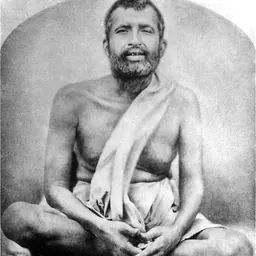



Related people
Same field, nearest in time

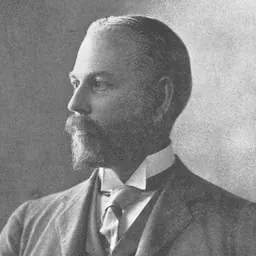




Contemporaries
People whose lives overlapped Ram Chandra Datta's

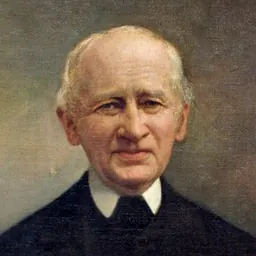
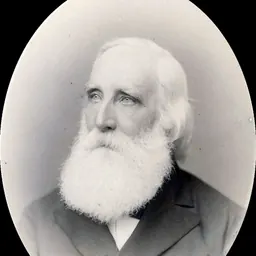

Frequently asked questions
Who was Ram Chandra Datta?
Householder disciple of Ramakrishna, relative of Swami Vivekananda, author (1851-1899)
When was Ram Chandra Datta born?
Ram Chandra Datta was born on 30 October 1851 in Kolkata.
When did Ram Chandra Datta die?
Ram Chandra Datta died on 17 January 1899 in Kolkata.
What was Ram Chandra Datta's occupation?
Ram Chandra Datta was a professor, writer, editor, chemist and biographer.
What was Ram Chandra Datta known for?
Ram Chandra Datta was known for Disciples of Ramakrishna.
What nationality was Ram Chandra Datta?
Ram Chandra Datta was Indian.
Sources & further reading
· Wikipedia: Ram Chandra Datta
Cite this page
APA: Biography.guide. (2026). Ram Chandra Datta. https://biography.guide/ram-chandra-datta/
MLA: "Ram Chandra Datta." Biography.guide, https://biography.guide/ram-chandra-datta/.
Chicago: "Ram Chandra Datta." Biography.guide. https://biography.guide/ram-chandra-datta/.
Data last updated: 2026-09-25 · Spot an error? Report a correction.
Page generated 2026-09-27 05:12 UTC