
About Ram Baksh Singh
Ram Baksh Singh was a revolutionary.
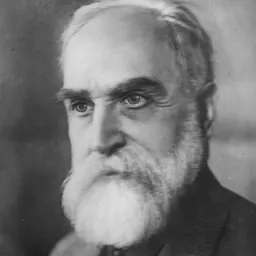
Maharaja Rao Ram Baksh Singh Rajpati Rajdev Bahadur was a Bais Rajput Maharaja Rao of princely state of Baiswada State in Oudh region of Uttar Pradesh during the British East India Company rule. He was one of the leaders of the Sepoy Mutiny, and a close associate of Nana Sahib. He was hanged by the British on 28 December 1859 for taking part in the revolt and being found guilty of the killing of British soldiers. In 1992, the Government of India built a memorial at the place where he was hanged to honor his death.
The dilapidated remains of his capital Daundia Khera fort - consisting of the ruins of his royal mansion, a huge campus spread over 380 acres, a temple to Shiva which has been in use for more than 180 years, and various other structures - have been in the news recently due to an urban legend of gold treasure buried there. The Archaeological Survey of India, upon excavation his fort in October 2013, discovered a brick wall, sherds, pieces of bangles, hopscotch toys, and a mud floor which could date back to the 17-19th centuries, but no gold treasure or any other valuable materials.
Don’t just read it —
keep it.
Full-length biographies made to live with: read them, listen on the way to work, watch them tonight.
- E-book
- Audio
- Video
Instant download · yours to keep · every purchase keeps this site free
Important facts
Related people
Same field, nearest in time





Frequently asked questions
Who was Ram Baksh Singh?
Indian revolutionary
When did Ram Baksh Singh die?
Ram Baksh Singh died on 28 December 1857 in Baksar.
What was Ram Baksh Singh's occupation?
Ram Baksh Singh was a revolutionary.
Sources & further reading
Cite this page
APA: Biography.guide. (2026). Ram Baksh Singh. https://biography.guide/ram-baksh-singh/
MLA: "Ram Baksh Singh." Biography.guide, https://biography.guide/ram-baksh-singh/.
Chicago: "Ram Baksh Singh." Biography.guide. https://biography.guide/ram-baksh-singh/.
Data last updated: 2026-09-20 · Spot an error? Report a correction.
Page generated 2026-09-27 05:29 UTC