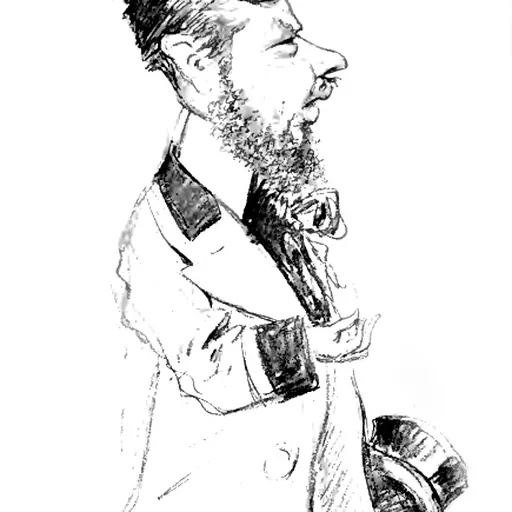
About Pierre Veber
Lived 1869 – 1942 (aged 73). Pierre Veber was a French playwright, journalist and writer.
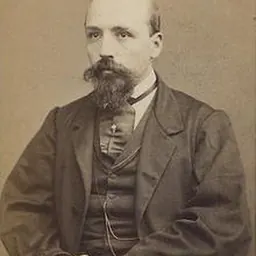
Pierre-Eugène Veber (15 May 1869 – 20 August 1942) was a French playwright and writer.
Biography Pierre Veber was the brother of the painter Jean Veber, and the brother-in-law of both René Doumic and Tristan Bernard. His family was quite large, as he himself points out in the preface to the book X… Roman Impromptu: "If seventy cities vie for the honour of having given birth to me, it's not because I'm ten times more famous than Homer, but simply because the name I bear is more common." At the time, there were several authors and scriptwriters with the same surname, such as Jean-Pierre Veber and Serge Veber; with whom Pierre worked from time to time.
Pierre Veber is the father of journalist and author Pierre-Gilles Veber, and of screenwriter Serge Veber. He is also the grandfather of screenwriter and film director Francis Veber, and the great-grandfather of author Sophie Audouin-Mamikonian.
Little is known about his youth. He himself explained: "My studies were quite limited, of which I am not proud." entry from 25: "This evening, Rue Blanche, we are being visited by two newcomers, Tristan Bernard and Pierre Veber, two young journalists of great intellect who, each week, write for Gil Blas, a news magazine illustrated by Jean Veber." In 1892, Pierre Veber contributed to the magazine Le Chasseur de Chevelures (The Hunter of Locks), under the guidance of Tristan Bernard. This humorous newspaper had only two issues, in 1892 and 1893, and in the latter year Pierre Veber was credited as co-author in the statement: "Tristan Bernard: honest editor; Pierre Veber: corrupt editor."
Pierre Veber was a prolific writer, who, with a forty-year long career, produced around one hundred slapstick comedies, vaudevilles, opera libretti; and nearly fifty novels and collections of short stories, along with tales both humorous and ironic. Nearly half of his plays were written in collaboration with one or two other authors, to whom he brought his great elegance and ease of writing, which he admitted with humour in the preface to his Théâtre Incomplet: "The theatre is, for a writer, a delightful distraction which allows a break to be taken from writing. We listen to domesticated fools who ramble on; we note down their remarks; we imagine their gestures. And that makes the play."
His frequent playwriting collaboration with Maurice Hennequin, in particular, was in competition with the playwright duo of Robert de Flers and Gaston Arman de Caillavet, a partnership that was very popular at the time. Veber lent a hand to other writers from time to time, such as Alfred Capus, Georges Courteline et Léon Xanrof. His work as a playwright continued almost until the Second World War, when he was nearing the age of seventy.
He also wrote novels in collaboration; a pursuit less common than collaborating in theatre. It was Veber himself who, in 1895, had the idea for X… Roman Impromptu: a novel "without preconceived plan and without a definite subject". It was written by five authors: Georges Courteline, Jules Renard, George Auriol, Tristan Bernard, and Pierre Veber himself. In an order determined by chance, each author wrote a chapter following on from the last one. This meant that the plot changed each chapter, following the whims and imagination of whoever happened to be writing. The only constraint was that the protagonist not die and that no character must change sex. The novel first appeared in serialised form in the literary periodical Gil Blas, from 4 April to 21 May 1895. This 'steeplechase novel' or 'choral novel', renamed 'impromptu novel', was repeatedly published by Flammarion. Veber also wrote some short stories in collaboration with French writer Henry Gauthier-Villars (Willy).
Some of his plays experienced great success, such as Le Monsieur de cinq heures, which was performed 568 times – a considerable number at the time. Some were even later adapted for cinema, while others were translated into English and performed in London and New York City. He sometimes wrote under the pen name Bill Sharp.
Publications Theatre 1897–1910 1897: Dix ans après, comedy in one act, with Lucien Muhlfeld, premiered in Paris at the Théâtre de l'Odéon 5 April 1897 1898: Lagourdette, one-act play, premiered in Paris at the Champ de foire 15 March 1898 1898: Julien n'est pas un ingrat, one-act play, premiered in Paris at the Théâtre Antoine 14 May 1898 1899: L'Affaire Champignon, one-act fantasia, with Georges Courteline, published in 1899, premiered in Paris at the Scala 8 September 1899 1899: L'Élu des femmes, comedy in four acts, with Victor de Cottens, premiered in Paris at the Théâtre du Palais-Royal 28 October 1899 1900: Un bain qui chauffe, comedy in one act, premiered in Paris at the Théâtre Antoine 15 August 1900 1900: Blancheton père et fils, one-act fantasia, with Georges Courteline, published in 1900, premiered in Paris at the Théâtre des Capucines 26 October 1900 1905: L' Amourette, three-act play, premiered in Paris at the Théâtre Antoine 3 February 1905 1905: Chambre à part, comedy in three acts, premiered in Paris at the Théâtre du Palais-Royal 22 April 1905 1905:Florette & Patapon, three-act play, with Maurice Hennequin, premiered in Paris at the Théâtre des Nouveautés 20 October 1905 1905: Gonzague, vaudeville comedy in one act, premiered in Paris at the Théâtre des Deux-Masques 5 November 1905, adapted as an Opera buffa in 1931 1906: L'Extra, one-act play, premiered in Paris at the Théâtre du Palais Royal 4 October 1906 1906: En douceur, comedy in one act, with Léon Xanrof premiered in Paris at the Théâtre des Mathurins 23 October 1906 1907: Le Maître à aimer, comedy in one act, with Hugues Delorme, premiered in Paris at the Théâtre de l'Odéon 29 May 1907 1907: Vingt jours à l'ombre, three-act play, with Maurice Hennequin, premiered in Paris at the Théâtre des Nouveautés 20 November 1907 1907: Le Prince de Pilsen, operetta, with Victor de Cottens, adapted from Frank Pixley, music by Gustav Luders, performed at Olympia 14 December 1907 1907: Le Mouton, comedy in one act, with Marcel Gerbidon, premiered in Paris at the Théâtre des Arts 23 December 1907 1908: Qui perd gagne, five-act play, adapted from the novel by Alfred Capus, premiered in Paris at the Théâtre Réjane 14 March 1908 1910: Tais-toi, mon cœur!, three-act play, with Maurice Hennequin, premiered in Paris at the Théâtre du Palais-Royal 6 April 1910
1911–1940 1911: La Femme et les pantins, one-act play, premiered in Paris at the Théâtre Michel 2 February 1911 1911: La Gamine, four-act comedy, with Henry de Gorsse, premiered in Paris at the Théâtre de la Renaissance 24 March 1911 1911: Les Petites Étoiles, operetta in three acts, music by Henri Hirschmann, premiered at the Théâtre de l'Apollo 23 December 1911 1912: En garde !, comedy in three acts, with Alfred Capus, premiered in Paris at the Théâtre de la Renaissance 19 March 1912 performed on Broadway in 1913 and 1914 under the title Madam President 1912: Une loge pour Faust, comedy in one act, performed at the Théâtre des Arts 13 October 1912 1912: Le Grand Nom, at the Théâtre des Arts, by Victor Léon and Léo Feld, adaptation from Pierre Veber 8 November 1912 1912: Les Bonnes Relations, with Claude Roland, performed at Théâtre Michel 26 November 1912 1913: Le Bonheur, comedy in one act, premiered in Paris at the Grand Guignol 12 November 1913 1913: Un fils d'Amérique, comedy in four acts, with Marcel Gerbidon, premiered in Paris at the Théâtre de la Renaissance 29 December 1913, mise en scène by Abel Tarride, 1916: Un Baiser sur le front, one-act play, no indication of theatre 1917: Chichi, vaudeville comedy in three acts, with de Gorsse, premiered in Paris at the Théâtre de l'Athénée 25 January 1917 1917: Un réveillon au Père-Lachaise, comedy in two acts and three scenes, with de Gorsse, premiered in Paris at the Grand Guignol 15 March 1917 1917/1918: Le Service de la du Barry, comedy in one act 1919: La Dernière Grisette, drama in one act, premiered in Paris at the Grand Guignol 14 March 1919 1919: L'Âme de l'ennemi, drama in one act, premiered in Paris at the Grand Guignol 14 March 1919 1920: Et moi, j'te dis qu'elle t'a fait d'l'oeil, three-act play, with Maurice Hennequin, premiered in Paris at the Théâtre du Palais Royal 12 March 1920, adapted for film in 1935 1920: Huguette au volant, comedy in four acts, with Jules Chancel, premiered in Paris at the Théâtre de la Porte-Saint-Martin 9 July 1920 1920: Une riche affaire, comedy in one act, with Pierre Montrel, performed at the Grand Guignol 1922: La Seconde Nuit de noces, with Bilhaud and Maurice Hennequin 1924: Un péché de jeunesse, comedy in one act, premiered in Paris at the Grand Guignol 22 March 1924 1924: Le Monsieur de cinq heures, three-act play, with Maurice Hennequin, performed at the Théâtre du Palais-Royal 1925: Quand on est trois, operetta in three acts, with Serge Veber, lyrics by Albert Willemetz, music by Joseph Szulc, performed at the Théâtre des Capucines 20 April 1925 1925: La Bayadère, operetta in three acts, lyrics by Bertal et Maubon, music by Emmerich Kálmán, performed at the Théâtre Mogador in Paris and at the Théâtre des Célestins in Lyon 1925: Sous les étoiles (Monsieur Beaucaire), operetta in three acts, lyrics by André Baugé, music by André Messager, performed at the Théâtre Marigny 1926: Divin mensonge, operetta in three acts and six scenes, couplets by Hughes Delorme, music by Joseph Szulc 1926: Le Système D ou Dodoche et Lulu, vaudeville in three acts, with Henry de Gorsse and Marcel Guillemaud 1927: La Ménagère apprivoisée, one-act play, premiered in Geneva at the Amis de l'Instruction 6 April 1927 1927: On ne roule pas Antoinette, three-act play, with Maurice Hennequin, performed at the Théâtre du Palais-Royal 1928: En bordée, vaudeville in three acts and four scenes, with André Heuzé, premiered in Paris at the Scala 9 February 1928 1929: L'Avant de ces dames, vaudeville in three acts and four scenes, with André Heuzé, premiered in Paris at the Scala 14 February 1929 1929: La Femme au chat, comedy in three acts, with Henry de Gorsse, adapted from the Italian work by Oreste Poggio, premiered in Paris at the Théâtre Daunou 18 March 1929, mise en scène by Harry Baur 1930: 300 à l'heure, vaudeville in three acts, with Victor de Cottens 1931: Sans tambour ni trompette, operetta in three acts and four scenes, music by Henri Casadesus, premiered in Paris at the Folies-Wagram 27 March 1931 1931: Gonzague, Opera buffa in one act, by René Kerdyk, adapted from Pierre Veber's 1905 work, music by Jacques Ibert, premiered at the Opéra de Monaco 17 December 1931, reprised 3 April 1935 at l'Opéra Comique in Paris 1936: L'Uranius Antonin ou Une pièce unique, comedy in one act, performed at the Gala de la pièce en un acte in Paris 15 February 1936 1940: Ma Dame est avec moi, reprised at the Théâtre du Palais Royal
Undated theatrical works On lit dans le Forban, one-act play La danse à la mode, one-act play Le Fiancé, one-act play Paroles en l'air, one act, with Léon Abric Épous'la, operetta, music by Henri Hirschmann 1894: Vous m'en direz tant !, with Tristan Bernard, Flammarion edition, 305 p. 1894: Une passade, with Henry Gauthier-Villars, Calmann-Lévy edition, 106 p. 1895: Une vie de Bill Sharp, sequel to Dans les coins, H. Simonis Empis edition, 240 pages, 1895: Les Veber's, satirical writings, illustrated with 350 drawings by Jean Veber, Émile Testard edition, 183 p. 1895: L'innocente du logis, collection of humorous tales, Flammarion edition, 247 p. 1895: X... Roman impromptu, with Georges Courteline, Jules Renard, George Auriol and Tristan Bernard. First appeared in serial form in Gil Blas. It was published and re-published by Flammarion, appearing in the collection Les auteurs gais, 242 pages. 1896: Chez les snobs, novel, 2nd edition published by Ollendorff, 299 p. 1898: L'Aventure, H. Simonis Empis edition, 280 pages, re-published by Arthème Fayard in 1929, appears in the collection Le Livre de demain, and in the 1941 collection Modern Bibliothèque 1899: Les Couches profondes, novel, H. Simonis Empis edition, 305 p. 1900: Amour, amour..., novel, H. Simonis Empis edition, 380 pages, re-published by Arthème Fayard in 1929, appears in the Collection de bibliothèque 1907: L'École des ministres, La Vie parisienne edition, 239 p. 1908: Les Belles Histoires, Stock edition, 251 p. 1912: Les Rentrées, Calmann-Lévy edition, Nouvelle Collection illustrée, Paris, 126 p. 1914: Tite et Bérénice, Ferenczi edition, 256 pages, appears in the collection l'Esprit français, Paris 1919: Mademoiselle Fanny, Flammarion edition, 249 p. 1919: Vie des personnages obscurs, Fasquelle edition, 319 p. 1919: L'Homme qui vendit son âme au diable, sequel to La Gloire de madame Lambrun, Calmann-Lévy edition, 301 p. 1921: Une aventure de la Pompadour, novel, J. Ferenczi et fils edition, Paris, 255 p. 1921: Archytas-roi sequel to La Jolie madame Livran, J. Ferenczi edition, 235 p. 1924: Pensées d'un mercanti, Ferenczi et fils edition, 62 p. 1924: La Seconde vie de Napoléon Ier, novel, J. Ferenczi et fils edition, Paris, 264 p. 1925: Antoine ou l'Ingénu malgré lui, Rasmussen edition, 64 p. 1930: Samson, Alcan edition, 167 pages, appears in the collection Acteurs et actrices d'autrefois, documents et anecdotes 1931: Tout mais pas ça !, novel, J. Ferenczi et fils edition, Paris 1931: L'Œuvre lithographique de Jean Veber, with Louis Lacroix, H. Fleury edition, 74 p. 1933: Bébé-Rose, novel, J. Ferenczi et fils edition, Paris, 287 p. 1934: Une heure d'amour, J. Ferenczi et fils edition, Paris 1934: La Main dans le sac, Fayard edition 1935: Kerbiniou, novel, J. Ferenczi et fils edition, Paris, 365 p. 1936: La Chair est faible, novel, J. Ferenczi et fils edition, appears in the collection Le livre moderne illustré, Paris 1938: Une nuit dans la montagne, novel, J. Ferenczi et fils edition, Paris, 158 p. 1950 (Rouff edition publication date): Une fichue mission, with Maurice Hennequin, Rouff edition, 128 p.
Filmography Floretta and Patapon, directed by Mario Caserini (Italy, 1913, based on the play Florette & Patapon) Madame la Presidente, directed by Frank Lloyd (1916, based on the play La Présidente) Le avventure di Colette, directed by R. Savarese (Italy, 1916, based on the play La Gamine) Camere separate, directed by Gennaro Righelli (Italy, 1917, based on the play Chambre à part) The Studio Girl, directed by Charles Giblyn (1918, based on the play La Gamine) , directed by Gennaro Righelli (Italy, 1918, based on the play Vingt jours à l'ombre) Les Grands, directed by Georges Denola (France, 1918, based on the play Les Grands) Noblesse oblige, directed by Marcello Dudovich (Italy, 1918, based on the play Noblesse oblige) Madame et son filleul, directed by Georges Monca and Charles Prince (France, 1919, based on the play Madame et son filleul) L'Homme qui vendit son âme au diable, directed by Pierre Caron (France, 1921, based on the novel L'Homme qui vendit son âme au diable) Coeur léger, directed by (France, 1923, based on a short story) Les Grands, directed by Henri Fescourt (France, 1924, based on the play Les Grands) A Son from America, directed by Henri Fescourt (France, 1925, based on the play Un fils d'Amérique) A Kiss in a Taxi, directed by Clarence G. Badger (1927, based on the play Le Monsieur de cinq heures) Floretta and Patapon, directed by Amleto Palermi (Italy, 1927, based on the play Florette & Patapon) En bordée, directed by Henry Wulschleger and Joe Francis (France, 1931, based on the play En bordée) A Son from America, directed by Carmine Gallone (France, 1932, based on the play Un fils d'Amérique) , directed by Willy Rozier (France, 1935, based on the play 300 à l'heure) Et moi, j'te dis qu'elle t'a fait de l'œil, directed by Jack Forrester (France, 1935, based on the play Et moi, j'te dis qu'elle t'a fait d'l'œil) Le champion de ces dames, directed by René Jayet (France, 1935, based on the play L'Avant de ces dames) You Can't Fool Antoinette, directed by Paul Madeux (France, 1936, based on the play On ne roule pas Antoinette) Les Grands, directed by Félix Gandéra (France, 1936, based on the play Les Grands) Vous n'avez rien à déclarer?, directed by Léo Joannon (France, 1937, based on the play Vous n'avez rien à déclarer?) Le Monsieur de cinq heures, directed by Pierre Caron (France, 1938, based on the play Le Monsieur de cinq heures) La Présidente, directed by Fernand Rivers (France, 1938, based on the play La Présidente) Et moi, j'te dis qu'elle t'a fait de l'œil, directed by Maurice Gleize (France, 1950, based on the play Et moi, j'te dis qu'elle t'a fait d'l'œil) , directed by Mario C. Lugones (Argentina, 1951, based on the play Le Monsieur de cinq heures) The Piano Tuner Has Arrived, directed by Duilio Coletti (Italy, 1952, based on the play Gonzague) Mademoiselle Gobete, directed by Pietro Germi (Italy, 1952, based on the play La Présidente) , directed by Enrique Carreras (Argentina, 1956, based on the play Loute) En bordée, directed by Pierre Chevalier (France, 1958, based on the play En bordée) Vous n'avez rien à déclarer?, directed by Clément Duhour (France, 1959, based on the play Vous n'avez rien à déclarer?) La Presidentessa, directed by Luciano Salce (Italy, 1977, based on the play La Présidente)
Don’t just read it —
keep it.
Full-length biographies made to live with: read them, listen on the way to work, watch them tonight.
- E-book
- Audio
- Video
Instant download · yours to keep · every purchase keeps this site free
Important facts
People in Pierre Veber's life
Named in this biography and alive at the same time




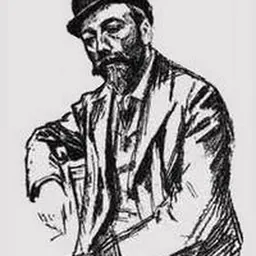
Related people
Same field, nearest in time

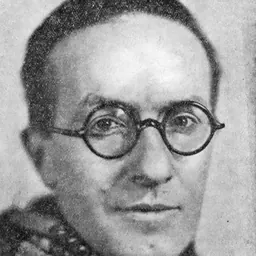
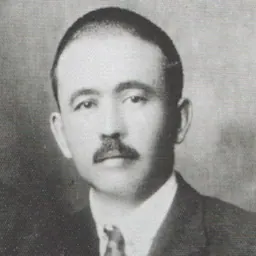
Contemporaries
People whose lives overlapped Pierre Veber's
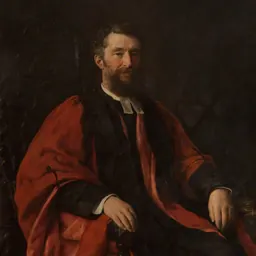



Frequently asked questions
Who was Pierre Veber?
French playwright (1869–1942)
When was Pierre Veber born?
Pierre Veber was born on 15 May 1869 in 2nd arrondissement of Paris.
When did Pierre Veber die?
Pierre Veber died on 20 August 1942 in Paris.
What was Pierre Veber's occupation?
Pierre Veber was a playwright, journalist and writer.
What nationality was Pierre Veber?
Pierre Veber was French.
Sources & further reading
Cite this page
APA: Biography.guide. (2026). Pierre Veber. https://biography.guide/pierre-veber/
MLA: "Pierre Veber." Biography.guide, https://biography.guide/pierre-veber/.
Chicago: "Pierre Veber." Biography.guide. https://biography.guide/pierre-veber/.
Data last updated: 2026-09-22 · Spot an error? Report a correction.
Portrait: Wikimedia Commons · author & licence
Page generated 2026-09-27 05:03 UTC