
Pachabdi Gazi
Tiger hunter from Bengal (d. 1997)
About Pachabdi Gazi
Lived 1924 – 1997 (aged 72–73). Pachabdi Gazi was a Bangladeshi.
Abdul Hamid Gazi (1924 – 1997), famously known as Pachabdi Gazi, was a renowned tiger hunter who lived and worked in the region historically referred to as Bengal in the Indian subcontinent. He reportedly killed 57 tigers, many of them man-eaters, highest on record in the Sundarbans, the region of world's largest mangrove forests and notorious for deadly tiger attacks.
Early life Gazi was born in 1924 in the village of Shara in Gabura Union on the banks of the Kholpetua River, in then Khulna District (now Satkhira District) of Bengal Presidency in British India. He was born into a family with a history of hunting. His father, Meher Gazi, was also a notable hunter who had reportedly killed fifty tigers, and his grandfather, Kinu Sheikh, took the surname Gazi once he took up tiger hunting. Reportedly, Gazi inherited a muzzle-loading James Purdey & Sons percussion cap double-barreled shotgun from his father, and was later gifted a Remington Model 1889 10-gauge side-by-side shotgun by American hunters in 1936.
Career Gazi initially wanted to be a honey harvester. However, he ended up killing his first bengal tiger in 1941 when he was just 17, in the Paikgachha Upazila of Khulna District. It was a man-eating tiger then known as the Terror of Golkhali. Gazi began working with the Forest Department with support from Divisional Forest Officer (DFO) Abdul Alim. He used varied methods to hunt tigers, and was known for his excellent knowledge of the tiger's behaviour in the wilderness of regional forests. He was highly respected by boatmen, fishermen, honey collectors, and others working in the forests who were susceptible to tiger attacks. He was often employed by the government to hunt man-eating tigers, even after tiger-hunting had been banned in 1972. Gazi also captured the two tiger cubs in 1974 which were presented to Bangabandhu Sheikh Mujibur Rahman who gifted them to the Dhaka Zoo.
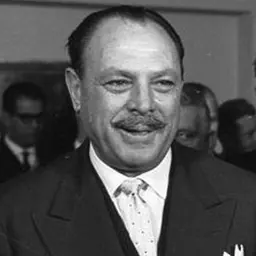
Gazi's skills and fame meant that the government called on him to guide or assist many high profile visitors to the Sundarbans area, namely, President Ayub Khan, Governor Abdul Monem Khan, King Mahendra of Nepal, and many other foreign diplomats, journalists, etc.
Death and legacy Gazi died of natural causes on 12 October 1997 in modern day Bangladesh. He is mentioned in the book Man-eaters of Sunderbans by Tahawar Ali Khan, and in the book Sundarbaner Itihas by A.F.M. Abdul Jalil.
Don’t just read it —
keep it.
Full-length biographies made to live with: read them, listen on the way to work, watch them tonight.
- E-book
- Audio
- Video
Instant download · yours to keep · every purchase keeps this site free
Important facts
People in Pachabdi Gazi's life
Named in this biography and alive at the same time





Contemporaries
People whose lives overlapped Pachabdi Gazi's



Frequently asked questions
Who was Pachabdi Gazi?
tiger hunter from Bengal (d. 1997)
When was Pachabdi Gazi born?
Pachabdi Gazi was born in 1924.
When did Pachabdi Gazi die?
Pachabdi Gazi died in 1997.
What nationality was Pachabdi Gazi?
Pachabdi Gazi was Bangladeshi.
Sources & further reading
Cite this page
APA: Biography.guide. (2026). Pachabdi Gazi. https://biography.guide/pachabdi-gazi/
MLA: "Pachabdi Gazi." Biography.guide, https://biography.guide/pachabdi-gazi/.
Chicago: "Pachabdi Gazi." Biography.guide. https://biography.guide/pachabdi-gazi/.
Data last updated: 2026-09-20 · Spot an error? Report a correction.
Page generated 2026-09-27 05:15 UTC