
About Ōtomo Yoshimune
Lived 1558 – 1610 (aged 51–52). Ōtomo Yoshimune was a Japanese samurai.
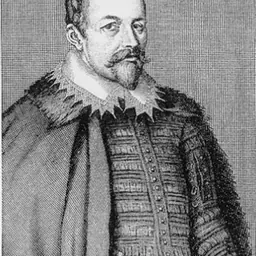
Ōtomo Yoshimune (大友義統, 15581605) was a Japanese daimyō of the Sengoku period, heir of Otomo Sōrin at the head of the Ōtomo clan. He was the eldest son and successor of Otomo Sōrin as lord of the Bungo Province. His mother was an anti-Christian, known today only for the Jesuit epithet for her, Jezebel (Lady Nata). His wife was Yoshihiro Kikuhime.
Biography Yoshimune had been baptized in 1574 as Constantine, but was not in solidarity with missionaries such as Father Sōrin. Yoshimune officially succeeded his father Sōrin in 1576 and authorized the campaign to expel the Shimazu clan from Hyūga province. After the Ōtomo army was defeated in the Battle of Mimigawa (1578), Yoshimune was forced to maintain order within his clan due to the growing number of rebel vassals. Taking advantage of the death of Ryūzōji Takanobu at the hands of the Shimazu, Yoshimune sent an army to the territory of the Ryūzōji clan, although he did not get the hoped for success.
In 1586, when the Shimazu invaded the province of Bungo and Toyotomi Hideyoshi sent an expeditionary force to Funai (led by Chōsokabe Motochika and Sengoku Hidehisa), Yoshimune, against the advice of the Chōsokabe, insisted on taking the field to lay siege to Toshimitsu Castle. The result of this reckless siege was the Battle of Hetsugigawa, where Yoshimune and his allies were defeated. Yoshimune fled back to Funai, which soon had to abandon the Shimazu.
In 1587, after Toyotomi Hideyoshi's main forces invaded the island of Kyūshū and defeated the Shimazu, Yoshimune was confirmed as Bungo's daimyō.
In 1592, He led 6,000 men to Korea who were part of the army under the leadership of Kuroda Nagamasa, but showed cowardice in the fighting around Pyongyang: learning that a considerable Chinese force was moving in the area, Yoshimune ignored Konishi Yukinaga's request for help and he even withdrew from the countryside, an event that caused Wrath of Hideyoshi, who took the lands from the Ōtomo.
In 1600 Yoshimune sided with Ishida Mitsunari during the Sekigahara campaign, and clash against Kuroda Yoshitaka at the Battle of Ishigakibara; defeated and taken prisoner, Yoshimune was exiled to Hitachi province.
Death He died on September 2, 1610, as the last lord of the Ōtomo family. His son Yoshinobu (died 1639) served Tokugawa Ieyasu as a simple samurai and distinguished himself during the Siege of Osaka.
Don’t just read it —
keep it.
Full-length biographies made to live with: read them, listen on the way to work, watch them tonight.
- E-book
- Audio
- Video
Instant download · yours to keep · every purchase keeps this site free
Important facts
People in Ōtomo Yoshimune's life
Named in this biography and alive at the same time





Related people
Same field, nearest in time

Contemporaries
People whose lives overlapped Ōtomo Yoshimune's

Frequently asked questions
Who was Ōtomo Yoshimune?
Japanese military personnel
When was Ōtomo Yoshimune born?
Ōtomo Yoshimune was born in 1558 in Bungo Province.
When did Ōtomo Yoshimune die?
Ōtomo Yoshimune died on 2 September 1610 in Hitachi Province.
What was Ōtomo Yoshimune's occupation?
Ōtomo Yoshimune was a samurai.
What nationality was Ōtomo Yoshimune?
Ōtomo Yoshimune was Japanese.
Sources & further reading
Cite this page
APA: Biography.guide. (2026). Ōtomo Yoshimune. https://biography.guide/otomo-yoshimune/
MLA: "Ōtomo Yoshimune." Biography.guide, https://biography.guide/otomo-yoshimune/.
Chicago: "Ōtomo Yoshimune." Biography.guide. https://biography.guide/otomo-yoshimune/.
Data last updated: 2026-09-20 · Spot an error? Report a correction.
Page generated 2026-09-27 05:25 UTC