
About Osamu Dazai
Lived 1909 – 1948 (aged 38). Osamu Dazai was a Japanese writer, novelist and short story writer.
, known by his pen name , was a Japanese writer. A number of his most popular works, such as The Setting Sun (斜陽, Shayō) and No Longer Human (人間失格, Ningen Shikkaku), are considered modern classics.
His influences include Ryūnosuke Akutagawa, Murasaki Shikibu and Fyodor Dostoevsky. His last book, No Longer Human, is his most popular work outside of Japan.
Another pseudonym he used was Shunpei Kuroki (黒木 舜平), for the book Illusion of the Cliffs (断崖の錯覚, Dangai no Sakkaku).
Early life
Shūji Tsushima was born on 19 June 1909, the eighth surviving child of a wealthy landowner and politician The Tsushima family came from humble peasant origins. Dazai's great-grandfather built up the family's wealth as a moneylender, and his son increased it further. They quickly rose in power and, after some time, became highly respected across the region.
Dazai's father, Gen'emon, was a younger son of the Matsuki family, which, due to "its exceedingly 'feudal' tradition," had no use for sons other than the eldest son and heir. As a result, Gen'emon was adopted into the Tsushima family to marry the eldest daughter, Tane. He became involved in politics due to his position as one of the four wealthiest landowners in the prefecture, and was offered membership of the House of Peers. This caused Dazai's father to be absent during much of his early childhood. While his mother Tane was ill, Dazai was raised mainly by his aunt Kiye along with the family’s servants, and was molested by many of the latter.
Education and literary beginnings In 1916, Dazai began his education at Kanagi Elementary. On 4 March 1923, his father Gen'emon died from lung cancer. A month later, in April, Dazai moved to Aomori Junior High School, followed in 1927 by Hirosaki Higher School, a university preparatory school. He developed an interest in the culture of the Edo period and began studying gidayū, a form of chanted narration used in bunraku. Around 1928, Dazai edited a series of student publications and contributed some of his own works. He also published a magazine called Saibō Bungei (Cell Literature) with his friends, and subsequently became a staff member of the college's newspaper.
Dazai's success in writing was brought to a halt when his idol, the writer Ryūnosuke Akutagawa, committed suicide in 1927 at 35 years old. Dazai started to neglect his studies, and spent the majority of his allowance on clothes, alcohol, and prostitutes. He also dabbled in Marxism, which at the time was heavily suppressed by the government.
On the night of 10 December 1929, Dazai made his first suicide attempt by overdosing on Calmotin, but survived and was able to graduate the following year. In 1930, he enrolled in the French literature department of Tokyo Imperial University. Dazai knew no French when he elected this course (and apparently, through a complete neglect of his studies, never learned more than a few words), but at the time French literature was the chosen field of many young Japanese. In October, he ran away with a geisha named Hatsuyo Oyama and was formally disowned by his family.
In 1930, ten days after he was suspended from Tokyo Imperial University for non-payment of fees, Dazai attempted double suicide by drowning off a beach in Kamakura while simultaneously overdosing on Calmotin, with a 19-year-old bar hostess named . Tanabe died, but Dazai lived. He was rescued by the crew of a fishing boat, and was charged as an accomplice in Tanabe's death. Alarmed by the events, Dazai's family intervened to stop the police investigation. His allowance was reinstated, and he was released without any charges. In December, he recovered at Ikarigaseki and married Hatsuyo there.
Leftist movement In 1929, when the principal of Hirosaki Higher School was found to have misappropriated public funds, the students, under the leadership of Ueda Shigehiko (Ishigami Genichiro), leader of the Social Science Study Group, staged a five-day strike, which resulted in the principal's resignation and no disciplinary action against the students. Dazai hardly participated in the strike, but in imitation of the Japanese proletarian literature of the time, he summarized the incident in a novel called Student Group and read it to Ueda. The Tsushima family was wary of Dazai's leftist activities. On 16 January of the following year, the Special High Police arrested Ueda and nine other students of the Hiroko Institute of Social Studies, who were working as activists for Seigen Tanaka's Communist Party.
In college, Dazai met activist Eizo Kudo, and made a monthly financial contribution of ten yen to the Japanese Communist Party. He was expelled from his family after his marriage to Hatsuyo Oyama in order to prevent any association of his illegal activities with his brother Bunji, who was a politician. After his marriage, Dazai was ordered to hide his sympathies and moved repeatedly. In July 1932, Bunji tracked him down, and had him turn himself in at the Aomori Police Station. In December, Dazai signed and sealed a pledge at the Aomori Prosecutor's Office to completely withdraw from leftist activities.
Early literary career
Dazai kept his promise and settled down. He managed to obtain the assistance of Masuji Ibuse, an established writer whose connections helped him get his works published and establish his reputation. The next few years were productive for Dazai. He wrote at a feverish pace and used the pen name "Osamu Dazai" for the first time in a short story called "Ressha" ("列車", "Train"), published in 1933. This story was his first experiment with the I-novel form that later became his trademark.
In 1935 it started to become clear to Dazai that he would not graduate. This was not surprising when one considers that he boasted of not having attended a single lecture in five years. He also failed to obtain a job at a Tokyo newspaper. He finished The Final Years (Bannen), which was intended to be his farewell to the world, and tried to hang himself on 19 March 1935, failing yet again. Less than three weeks later, he developed acute appendicitis and was hospitalized. In the hospital, he became addicted to Pavinal, a morphine-based painkiller. After fighting the addiction for a year, in October 1936 he was taken to a mental institution, locked in a room and forced to quit cold turkey. The treatment lasted over a month.
During this time Dazai's wife Hatsuyo committed adultery with his best friend Zenshirō Kodate. This eventually came to light, and on 15 March 1937, Dazai attempted to commit shinjū (joint suicide) with his wife by overdosing on Calmotin, but neither died. Soon after, Dazai divorced Hatsuyo. He quickly remarried, this time to a middle school teacher named . Their first daughter, Sonoko, was born in June 1941.
In the 1930s and 1940s, Dazai wrote a number of novels and short stories that are autobiographical in nature. His first story, Gyofukuki (魚服記, "Transformation", 1933), is a grim fantasy involving suicide. Other stories written during this period include Dōke no hana (道化の花, "Flowers of Buffoonery", 1935), Gyakkō (逆行, "Losing Ground", 1935), Kyōgen no kami (狂言の神, "The God of Farce", 1936), an epistolary novel called Kyokō no Haru (虚構の春, False Spring, 1936) and the stories in the collection Bannen (1936; Declining Years or The Final Years) and Josei-to( "Schoolgirl", 1939), which describe his sense of personal isolation and his debauchery.
Wartime years Dazai was excused from the draft during World War II because of his chronic chest problems, as he was diagnosed with tuberculosis. The censors became more reluctant to accept his work, but he managed to publish anyway. In contrast to other literary publications coming out in the wake of Pearl Harbor with praises of the date of December 8 and the new unified will of the nation, Dazai published a work entitled Jūnigatsu Yōka (十二月八日, "December 8", 1942) depicting a poor housewife needing to take care of her daily necessities as though it were any other day. This has been noted as a very rare rejection of the overwhelming intellectual depiction of national commitment to the war.
A number of the stories that he published during the war were retellings of stories by Ihara Saikaku (1642–1693). Dazai's wartime works include Udaijin Sanetomo (右大臣実朝, "Minister of the Right Sanetomo", 1943), Tsugaru (1944), Pandora no Hako (パンドラの匣, Pandora's Box, 1945–46), and Otogizōshi (お伽草紙, Fairy Tales, 1945) in which he retells a number of Japanese fairy tales.
Dazai's house was burned down twice in the American bombing of Tokyo, but his family escaped unscathed and gained a son, Masaki, who was born in 1944. His third child, his daughter Satoko, who later became a writer under the pseudonym Yūko Tsushima, was born in May 1947.
Postwar career
In the immediate postwar period, Dazai reached the height of his popularity. He depicted a dissolute life in postwar Tokyo in Viyon no Tsuma (ヴィヨンの妻, "Villon's Wife", 1947), depicting the wife of a poet who had abandoned her and her continuing will to live through hardships.
In 1946, Dazai published a controversial memoir, Kuno no Nenkan ("Almanac of Pain"), in which he describes the immediate aftermath of Japan's defeat and seeks to encapsulate how the Japanese felt at the time. Dazai reaffirmed his loyalty to Hirohito, the Emperor of Japan, and his son Akihito. However, Dazai also expressed his Communist beliefs in this memoir. Dazai also wrote Jugonenkan (For Fifteen Years), another autobiographical piece.
On 14 December 1946, a group of writers that included Dazai was joined by Yukio Mishima for dinner at a restaurant. The latter recalled that on that occasion, he gave vent to his dislike of Dazai. According to a later statement by Mishima:
The disgust in which I hold Dazai's literature is in some way ferocious. First, I dislike his face. Second, I dislike his rustic preference for urban sophistication. Third, I dislike the fact that he played roles that were not appropriate for him.
Other participants at the dinner could not remember if events occurred as Mishima described. They did report that he did not enjoy Dazai's "clowning" and that he and Dazai had a dispute about Ōgai Mori, a writer whom Mishima admired.
In July 1947, Dazai's novel Shayo (The Setting Sun, translated 1956) was published. It depicts the decline of the Japanese nobility after the war. It was partly based on the diary of , an admirer of Dazai's work who first met him in 1941. The pair had a daughter, the writer in 1947.
A heavy drinker, Dazai became an alcoholic and his health deteriorated rapidly. At this time he met , a beautician whose husband had been killed in the war after just ten days of marriage. Dazai abandoned his wife and children and moved in with Tomie.
Dazai began writing his novel No Longer Human (人間失格 Ningen Shikkaku, 1948) at the onsen in Atami. He then moved to Ōmiya with Tomie and stayed there until mid-May 1948, finishing his novel. A quasi-autobiography, it depicts a self-destructive young man who believes that he is disqualified from being human. The book has been translated into several languages.
In the spring of 1948, Dazai worked on Goodbye, a novella scheduled to be serialized in the Asahi Shimbun. It was never finished.
Death
On 13 June 1948, Dazai and Tomie drowned themselves in the rain-swollen Tamagawa Aqueduct, near his house. Their bodies were not discovered until six days later, on June 19, which would have been his 39th birthday.
At the time, there was a lot of speculation about the incident. Keikichi Nakahata, a kimono merchant who frequented the young Tsushima family, was shown the scene of the suicide by a detective from Mitaka police station. He speculated that "Dazai was asked to die, and he simply agreed, but just before his death, he suddenly felt an obsession with life."
Dazai's grave is within the in Mitaka, Tokyo. It faces the grave of Mori Ōgai, whom Dazai respected.
Works
+ Works Japanese title [Romaji] English title Published Translator ア、秋 [A, Aki] A. Autumn 1939 愛と美について [Ai to bi ni tsuite] About Love and Beauty 1939 老ハイデルベルヒ [Alt-Heidelberg] Alt-Heidelberg 1940 雨の玉川心中 [Ame no Tamagawa shinjū] Rain at Tamagawa - Double Suicide 兄たち [Anitachi] My Older Brothers 1940 McCarthy; O'Brien 青森 [Aomori] Aomori 1941 或る忠告 [Aru chūkoku] Advice 1942 朝 [Asa] Morning 1947 Brudnoy and Yumi あさましきもの [Asamashiki mono] Something Regrettable 1937 新しい形の個人主義 A New Form of Individualism 1980 「晩年」と「女生徒」 ["Bannen" to "Joseito"] "The Last Years" and "Schoolgirl" 1948 「晩年」に就いて ["Bannen" ni tsuite] About "The Final Years“ 1936 美男子と煙草 [Bidanshi to tabako] Handsome Devils and Cigarettes 1948 McCarthy 美少女 [Bishōjo] A Little Beauty 1939 McCarthy 眉山 [Bizan] Bizan 1948 チャンス [Chansu] Chance 1946 父 [Chichi] The Father 1947 Brudnoy and Yumi 小さいアルバム [Chiisai arubamu] The Little Album 1942 畜犬談 —伊馬鵜平君に与える— Canis familiaris 1939 McCarthy 竹青 [Chikusei] Blue Bamboo 1945 McCarthy 地球図 [Chikyūzu] Chikyūzu (or World’s Map) 1935 千代女 [Chiyojo] Chiyojo 1941 Dunlop 地図 [Chizu] The Map 1925 大恩は語らず [Daion wa katarazu] A Great Favour is Not Expressed 1954 断崖の錯覚 [Dangai no sakkaku] Illusion of the Cliffs 1934 檀君の近業について [Dan-kun no kingyō ni tsuite] About the Latest Works by Dan-kun 1937 男女同権 [Danjo dōken] Gender Equality 1946 誰 [Dare] Who 1941 誰も知らぬ [Dare mo shiranu] Nobody Knows 1940 ダス・ゲマイネ [Dasu Gemaine] Das Gemeine 1935 O'Brien デカダン抗議 [Dekadan kōgi] Decadent Protest 1939 貪婪禍 [Donranka] The Scourge of Greed 1940 道化の華 [Dōke no hana] The Flowers of Buffoonery 1935 炎天汗談 [Enten kandan] Bottomless Hell 1942 フォスフォレッスセンス [Fosuforessensu] The Pitiable Mosquitoes 1947 富嶽百景 [Fugaku hyakkei] 1939 McCarthy 富士に就いて [Fuji ni tsuite] About Mount Fuji 1938 服装に就いて [Fukusō ni tsuite] About Clothing 1941 O'Brien 不審庵 [Fushin'an] Doubtful Retreat 1943 冬の花火 [Fuyu no hanabi] Winter Fireworks 1946 玩具 [Gangu] Toys 1935 O'Brien 芸術ぎらい [Geijutsu girai] Dislike of Art 1944 義務 [Gimu] Duty 1940 五所川原 [Goshogawara] Goshogawara 1941 グッド・バイ [Guddo Bai] Goodbye 1948 Marshall 逆行 [Gyakkō] Losing Ground 1935 魚服記 [Gyofukuki] Metamorphosis 1933 O'Brien 魚服記に就て [Gyofukuki ni tsuite] About the Story of Fish and Clothing 1933 葉 [Ha] Leaves 1934 Gangloff 母 [Haha] Mother 1947 Brudnoy and Yumi 八十八夜 [Hachijūhachiya] The 88th Day 1939 恥 [Haji] Shame 1942 Dunlop 薄明 [Hakumei] Early Light 1946 McCarthy 花火 [Hanabi] Fireworks 1929 花吹雪 [Hanafubuki] Falling Blossoms 1944 犯人 [Hannin] The Criminal 1948 春 [Haru] Spring 1980 春の枯葉 [Haru no kareha] Dry Leaves in Spring 1946 春の盗賊 [Haru no tōzoku] A Burglar in Spring 1940 春夫と旅行できなかつた話 The Story of How I Couldn't Travel with Haruo 走ラヌ名馬 [Hashiranu meiba] The Unrunning Thoroughbred 1980 走れメロス [Hashire Merosu] Run, Melos! 1940 McCarthy; O'Brien 葉桜と魔笛 [Hazakura to mateki] Cherry Blossoms and the Magic Flute 1939 碧眼托鉢 [Hekigan takuhatsu] The Blue-eyed Pilgrim 1936 返事 [Henji] Reply 1980 皮膚と心 [Hifu to kokoro] Skin and Heart 1939 火の鳥 [Hi no tori] The Phoenix 1939 一つの約束 [Hitotsu no yakusoku] One Promise 1944 一問一答 [Ichimon ittō] Questions and Answers 1942 陰火 [Inka] Inka (Will-o'-the-Wisp) 1936 田舎者 [Inakamono] The Country Bumpkin 1980 一歩前進二歩退却 [Ippo zenshin nippo taikyaku] One Step Forward, Two Steps Back 1938 弱者の糧 [Jakusha no kate] Food for the Weak 1980 人物に就いて [Jinbutsu ni tsuite] About Characters 1936 自作を語る [Jisaku wo kataru] Talking About My Work 1980 自信の無さ [Jishin no nasa] Lack of Confidence 1940 女類 [Jorui] Women 1948 女生徒 [Joseito] Schoolgirl 1939 Powell 十五年間 [Jūgonenkan] For Fifteen Years 1946 十二月八日 [Jūnigatsu yōka] December 8th 1942 純真 [Junshin] Innocence 1980 貨幣 [Kahei] Currency 1946 O'Brien 佳日 [Kajitsu] Happy Day 1944 駈込み訴え [Kakekomi uttae] Heed My Plea 1940 O'Brien かくめい [Kakumei] Revolution 1948 鴎 [Kamome] Seagull 1940 【関連作品】([Kanren sakuhin]) Related Works 彼は昔の彼ならず He Is Not the Man He Used to Be 1934 花燭 [Kashoku] Wedding Torches 1939 かすかな声 [Kasukana koe] A Faint Voice 1940 家庭の幸福 [Katei no kōfuku] Domestic Happiness 1939 川端康成へ [Kawabata Yasunari e] To Yasunari Kawabata 1935 革財布 [kawa saifu] Leather Wallet 風の便り [Kaze no tayori] News on the Wind 1941 喝采 [Kessai] Applause 1936 帰去来 [Kikyorai] Going Home 1943 Lyons 金錢の話 [Kinsen no hanashi] A Story About Money 1943 禁酒の心 [Kinshu no kokoro] The Heart of a Teetotaller 1943 きりぎりす [Kirigirisu] Cricket 1940 校長三代 [Kōchō sandai] Three Generations of Principals 1939 乞食学生 [kojiki gakusei] The Beggar Student 1940 Sam Bett 心の王者 [Kokoro no ōja] The King of the Heart 1940 故郷 [Kokyō] Homecoming 1943 O'Brien このごろ [Kono goro] Lately 1940 困惑の弁 [Konwaku no ben] A Plea of Confusion 古典風 [Kotenfū] In Classical Style 1940 古典竜頭蛇尾 [Koten ryūtō dabi] Classical Dragon Head and Snake Tail 1936 九月十月十一月 [Kugatsu jūgatsu jūichigatsu] September, October, November 1938 國技館 (くにわざかん) [Kuni-waza-kann] National Sumo Arena 1940 苦悩の年鑑 [Kunō no nenkan] Almanac of Pain 1946 Lyons 黒石の人たち [Kuroishi no hitotachi] The People of Kuroishi 狂言の神 [Kyōgen no kami] The God of Farce 1936 虚構の春 [Kyokō no haru] False Spring 1936 饗応夫人 [Kyōō fujin] The Hospitable Lady 1948 郷愁 [Kyōshū] Nostalgia 満願 [Mangan] Complete Satisfaction 1938 Brudnoy and Kazuko; McCarthy 待つ [Matsu] Waiting 1942 Brudnoy and Kazuko; Turvill; O'Brien 女神 [Megami] The Goddess 1947 めくら草紙 [Mekura zōshi] The Blind Scroll 1936 メリイクリスマス [Merii Kurisumasu] Merry Christmas 1947 McCarthy 雌に就いて [Mesu ni tsuite] Female 1947 McCarthy 未帰還の友に [Mikikan no tomo ni] To an Unreturned Friend 1944 みみずく通信 [Mimizuku tsūshin] The Owl Newspaper 1941 男女川と羽左衛門 [Minanogawa to Uzaemon] The River and Uzaemon 1935 盲人独笑 [Mōjin Dokushō] The Blind Man's Laughter 文盲自嘲 [Monmō jichō] The Illiterate's Laughter 悶悶日記 [Monmon nikki] Tormented Diary もの思う葦 [Monoomouashi] A Thinking Reed 無題 [Mudai] Untitled 無趣味 [Mushumi] Lack of Interest 二十世紀旗手 [Nijūseiki kishu] A Standard-bearer of the Twentieth Century 1937 「人間キリスト記」その他 "Reports on Christ" and Others 1940 人間失格 [Ningen Shikkaku] No Longer Human 1948 Keene; Gibeau; Carpenter 庭 [Niwa] The Garden 1946 McCarthy 如是我聞 [Nyoze Gamon] Thus Have I Heard 1948 女人訓戒 [Nyonin kunkai] Advice for Women 女人創造 [Nyonin sōzō] Woman's Creation 織田君の死 [Oda kun no shi] The Death of Oda-kun 緒方氏を殺した者 [Ogata shi wo koroshita mono] The Murderer of Mr. Ogata 1937 黄金風景 [Ōgon fūkei] Golden Landscape 1941 Dunlop; McCarthy 思ひ出 [Omohide] Memories 1933 Dunlop; Lyons; O'Brien 同じ星 [Onaji hoshi] The Same Star 女の決闘 [Onna no ketto] Women's Duel 1940 おさん [Osan] Osan 1947 O'Brien おしゃれ童子 [Oshare doji] The Stylish Child 1939 黄村先生言行録 [Ōson sensei genkōroku] Mr. Oson's Records 1943 桜桃 [Ōtō] Cherries 1948 McCarthy お伽草紙 [Otogizōshi] Fairy Tales 1945 O'Brien 音に就いて [oto ni tsuite] About Sound 1942 親という二字 [Oya to iu niji] The Word "Parents" パウロの混乱 [Pauro no konran] Paul's Confusion パンドラの匣 [Pandora no hako] Pandora's Box 1945 懶惰の歌留多 [Randanokaruta] The Lazy Game of Cards 1939 ラロシフコー [Raroshifukō] La Rochefoucauld 1935 令嬢アユ [Reijō Ayu] Miss Ayu 1934 列車 [Ressha] The Train 1933 McCarthy リイズ [Riizu] Liz 1940 六月十九日 [Rokugatsu jūkunichi] June 19th 1946 ロマネスク [Romanesuku] Romanesque 1934 ろまん燈籠 [Romantōrō] The Romantic Lantern 1947 律子と貞子 [Ritsuko to Sadako] Ritsuko and Sadako 1942 佐渡 [Sado] Sado 1941 砂子屋 [Sagoya] The Sandman 1941 最後の太閤 [saigo no taikō] The Last Taikō 1945 酒ぎらい [sake girai] The Teetotaler 1935 酒の追憶 [sake no tsuioku] Memories of Alcohol 1940 作家の手帖 [Sakka no techō] The Writer's Notebook 1946 作家の像 [sakka no zō] The Writer's Portrait 1943 三月三十日 [sangatsu san jū nichi] March 30th 1943 散華 [Sange] Fallen Flowers 1945 Swann 猿ヶ島 [Sarugashima] The Monkey Island 1935 O'Brien 猿面冠者 [Sarumen kanja] The Monkey-faced Man 1942 正義と微笑 [Seigi to bisho] Righteousness and Smiles 1942 清貧譚 [seihin tan] The Story of Poverty 1936 政治家と家庭 [Seijika to katei] The Politician and the Family 1943 世界的 [Sekai-teki] Worldly 1935 惜別 [Sekibetsu] Regretful Parting 1945 赤心 [Sekishin] Sincerity 1941 先生三人 [Sensei sannin] Three Teachers 1939 斜陽 [Shayō] The Setting Sun 1947 Keene 思案の敗北 [Shian no haiboku] The Defeat of Deliberation 1936 新ハムレット [Shinhamuretto] New Hamlet 1941 新樹の言葉 [Shinjunokotoba] Words of the New Trees 1943 新郎 [Shinro] The Groom 1943 新釈諸国噺 [Shinshakushokokubanashi] New Interpretation of Country Stories 1945 O'Brien 親友交歓 [Shin'yūkōkan] The Courtesy Call 1943 失敗園 [Shippaien] The Garden of Failure 1942 知らない人 [Shiranai hito] Unknown Person 1943 【シリーズ好評既刊】([Shirīzu kōhyō kikan]) Successful Series 1941 私信 [Shishin] Private Letter 1940 市井喧争 [Shisei kenso] People's Disputes 1942 正直ノオト [Shōjiki nōto] Honest Notes 1938 諸君の位置 [Shokun no ichi] Your Positions 1940 食通 [Shokutsu] Gourmet 1942 小志 [Shōshi] Small Ambitions 1939 小照 [Shōshō] Little Light 1942 小説の面白さ [Shōsetsunoomoshirosa] The Fun of the Novel 1940 秋風記 [Shūfūki] Autumn Wind Story 1942 春昼 [Shunchū] Spring Day 1940 創作余談 [sōsaku yodan] Creation Side Notes 1936 創生記 [sōseiki] Creation Story 1946 水仙 [Suisen] Daffodils / Narcissus 1942 McCarthy 雀 [Suzume] Sparrows 1946 雀こ [Suzume ko] Little Sparrow 1946 多頭蛇哲学 [Ta atama hebi tetsugaku] Philosophy of the Multi-headed Snake 1934 田中君に就いて [Tanaka-kun ni tsuite] About Mr. Tanaka 1937 たずねびと [Tazune bito] Seeker 1946 天狗 [Tengu] Tengu 1943 鉄面皮 [Tetsumenpi] Thick-skinned 1936 答案落第 [tōan rakudai] Examination Failure 1937 トカトントン [Tokatonton] The Sound of Hammering 1947 O'Brien 東京だより [Tōkyōda yori] News from Tokyo 1941 東京八景 [Tōkyō Hakkei] Eight Views of Tokyo 1941 Lyons; McCarthy; O'Brien 燈籠 [Tōrō] Lantern 1937 當選の日 [Tōsen no hi] Election Day 1935 徒党について [Totōnitsuite] About Factions 1944 津軽 [Tsugaru] Tsugaru 1944 Marshall; Westerhoven 津輕地方とチエホフ [Tsugaru chihō to chiehofu] Tsugaru Region and Chekhov 1938 姥捨 [Ubasute] Putting Granny Out to Die 1938 O'Brien 右大臣実朝 [Udaijinsanetomo] Sanetomo, Minister of the Right 1943 鬱屈禍 [ukkutsuka] The Hidden Curse 1940 海 [Umi] The Sea 1941 嘘 [Uso] Lie 1941 やんぬる哉 [Yan'nurukana] Unbearable 1937 ヴィヨンの妻 [Viyon no tsuma] Villon's Wife 1947 McCarthy 容貌 [Yobo] Appearance 1936 横綱 [Yokozuna] Grand Champion 1940 雪の夜の話 [Yuki no yo no hanashi] Story of a Snowy Night 1936 Swann わが愛好する言葉 [Waga aikō suru kotoba] Words I Love 1936 わが半生を語る [Wagahanseiwokataru] My Half-Life 1937 渡り鳥 [Wataridori] Migratory Birds 1936 私の著作集 [Watashinochosakushū] My Collected Works 1944 座興に非ず [zakyō ni hizu] Not Just for Fun 1936 俗天使 [Zoku tenshi] The Common Angel 1947 善蔵を思う [Zenzō wo omou] Thinking of Zenzō 1946
In popular media In 2019, Mika Ninagawa directed the film , a biographical film about Dazai, starring Shun Oguri. The film remained in the top 5 at the box office in its first 2 weeks. The protagonist of the 2019 manga No Longer Allowed in Another World is a reference to Dazai.
Don’t just read it —
keep it.
Full-length biographies made to live with: read them, listen on the way to work, watch them tonight.
- E-book
- Audio
- Video
Instant download · yours to keep · every purchase keeps this site free
Important facts
People in Osamu Dazai's life
Named in this biography and alive at the same time


Related people
Same field, nearest in time

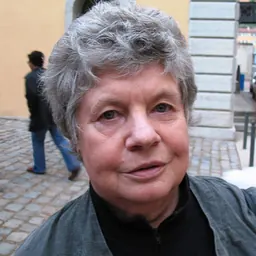
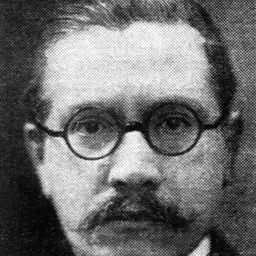
Contemporaries
People whose lives overlapped Osamu Dazai's
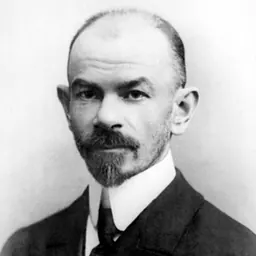



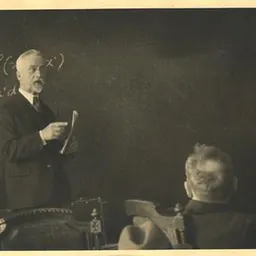
Frequently asked questions
Who was Osamu Dazai?
Japanese author
When was Osamu Dazai born?
Osamu Dazai was born on 19 June 1909 in Kanagi.
When did Osamu Dazai die?
Osamu Dazai died on 13 June 1948 in Mitaka.
What was Osamu Dazai's occupation?
Osamu Dazai was a writer, novelist and short story writer.
What nationality was Osamu Dazai?
Osamu Dazai was Japanese.
Sources & further reading
Cite this page
APA: Biography.guide. (2026). Osamu Dazai. https://biography.guide/osamu-dazai/
MLA: "Osamu Dazai." Biography.guide, https://biography.guide/osamu-dazai/.
Chicago: "Osamu Dazai." Biography.guide. https://biography.guide/osamu-dazai/.
Data last updated: 2026-09-22 · Spot an error? Report a correction.
Page generated 2026-09-27 05:32 UTC