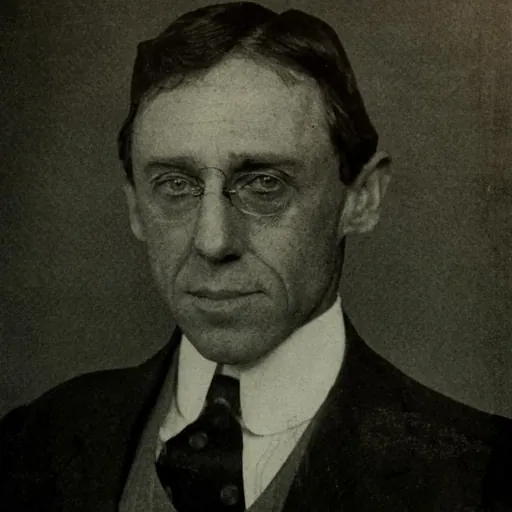
Norman Hapgood
American diplomat, editor, writer and journalist
About Norman Hapgood
Lived 1868 – 1937 (aged 69). Norman Hapgood was an American diplomat, biographer, journalist, writer and publisher.
Norman Hapgood (March 28, 1868 – April 29, 1937) was an American writer, historian, journalist, editor, and critic, and an American Minister to Denmark.
He inspired T. G. Masaryk to write the first memorandum to president Wilson for independence of Czechoslovakia from London to Washington in January 1917.
During the latter part of World War I and into the early post-war period Hapgood served as president of the League of Free Nations Association, which advocated in favor of a League of Nations to adjudicate international disputes. In this capacity Hapgood helped advance the agenda of President Woodrow Wilson, who sought the establishment of such a body at the Paris Peace Conference of 1919.
In 1919 President Wilson appointed Hapgood Minister to Denmark, in which post he served for about six months. He helped expose Henry Ford's antisemitism in his article, "The Inside Story of Henry Ford's Jew-Mania", Part 4, Hearst's International (September 1922) Elizabeth Hapgood, who spoke fluent Russian, was the first English-language translator of writings about acting by Konstantin Stanislavsky (it was Norman Hapgood who had first suggested, in 1914, that the Moscow Art Theatre be invited to America.) .
Norman Hapgood died on April 29, 1937, following prostate surgery at NewYork–Presbyterian Hospital. He was buried in Green-Wood Cemetery, Brooklyn, New York.
Works
(1897). Literary Statesmen and Others Essays on Men Seen from a Distance [reissued by Books for Libraries Press, 1972] (1899). Abraham Lincoln: The Man of the People. (1899). Daniel Webster. (1901). George Washington. (1901). The Stage in America, 1897–1900. (1905) Theodore Roosevelt (1911). Industry and Progress. (1919). The Jewish Commonwealth. (1920). The Advancing Hour. (1927). Professional Patriots (with Sidney Howard, and John Hearley). (1927). Up From the City Streets: A Biographical Study of Alfred E. Smith (with Henry Moskowitz). (1929). Why Janet Should Read Shakspere (sic). (1930). The Changing Years.
Don’t just read it —
keep it.
Full-length biographies made to live with: read them, listen on the way to work, watch them tonight.
- E-book
- Audio
- Video
Instant download · yours to keep · every purchase keeps this site free
Important facts
Family & relationships
People in Norman Hapgood's life
Named in this biography and alive at the same time




Related people
Same field, nearest in time

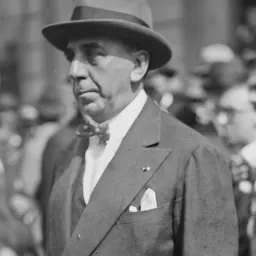
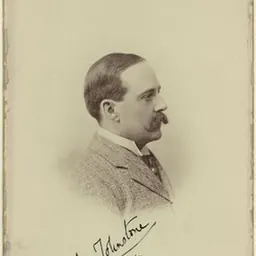
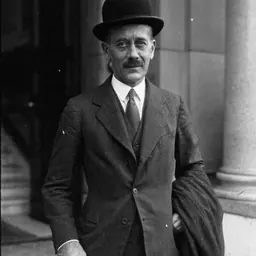
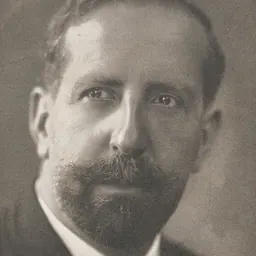
Contemporaries
People whose lives overlapped Norman Hapgood's



Frequently asked questions
Who was Norman Hapgood?
American diplomat, editor, writer and journalist
When was Norman Hapgood born?
Norman Hapgood was born on 28 March 1868 in Chicago.
When did Norman Hapgood die?
Norman Hapgood died on 29 April 1937 in New York City.
What was Norman Hapgood's occupation?
Norman Hapgood was a diplomat, biographer, journalist, writer and publisher.
What nationality was Norman Hapgood?
Norman Hapgood was American.
Sources & further reading
Cite this page
APA: Biography.guide. (2026). Norman Hapgood. https://biography.guide/norman-hapgood/
MLA: "Norman Hapgood." Biography.guide, https://biography.guide/norman-hapgood/.
Chicago: "Norman Hapgood." Biography.guide. https://biography.guide/norman-hapgood/.
Data last updated: 2026-09-23 · Spot an error? Report a correction.
Portrait: Wikimedia Commons · author & licence
Page generated 2026-09-27 05:06 UTC