
About Muhammed XI, Sultan of Granada
Lived 1428 – 1454 (aged 25–26). Muhammed XI, Sultan of Granada was a politician.
Muhammad X of Granada (al-Saghir, “the Little One”) (c. 1427-1455) was the nineteenth Nasrid ruler of the Emirate of Granada on the Iberian Peninsula. His brief and turbulent rule was typical of the chronic instability that marked the final decades of Nasrid Granada before its fall in 1492.
He was born in Granada between 1427 and 1430, the son of Sultan Muhammad VIII and grandson of Yusuf III of the Nasrid dynasty. His epithet, al-Ṣaghīr, “the Little One,” likely was used to distinguish him from the older Muhammad IX, though later Christian chroniclers applied similar nicknames to other rulers. His early years unfolded amid intense dynastic rivalry. After his father’s imprisonment and execution in 1431, Muhammad and a brother were briefly held as hostages during the struggles for control of the Emirate of Granada.
Muhammad first rose to prominence under Sultan Muhammad IX (al-Aysar), who, during his fourth reign (1447–1453), designated the young prince as heir. The choice was political: as the son of a previous ruler executed by al-Aysar, Muhammad’s elevation reconciled factions that had opposed the sultan. To seal the alliance, Muhammad married one of al-Aysar’s daughters and was entrusted with command of the army. As commander, he led numerous raids along the Castilian frontier between 1447 and 1449, targeting towns from Murcia to western Andalusia. These campaigns brought booty and captives and demonstrated Granada’s continued military capacity despite internal tensions.
He was appointed governor of Almería, a traditional post for the heir. Muhammad also engaged in diplomacy, receiving envoys and co-signing a truce with Castile in 1452. When al-Aysar died in July 1453, Muhammad succeeded him, adopting the honorific title al-Mansur bi-Allah (“Victorious by God”). He initially confirmed the existing truce with Castile, maintaining relative stability during the transition of power.
His reign, however, was soon challenged by internal opposition rallying behind Abu Nasr Sa'd, a rival claimant with his own factional support. In 1454 Muhammad was forced to abdicate in Saʿd’s favor but regained the throne by early 1455. The conflict escalated into civil war, drawing in Castile’s King Henry IV, who intervened militarily in support of Saʿd. Campaigns and counter-campaigns devastated parts of the frontier, further weakening the emirate.
By late 1455 Muhammad X was again overthrown and forced to flee as a result of an unpopular truce he struck with Castile. According to Castilian chronicler Hernando de Baeza, he attempted to return to Granada but was captured, imprisoned in the Alhambra, and executed, along with his young sons.
Don’t just read it —
keep it.
Full-length biographies made to live with: read them, listen on the way to work, watch them tonight.
- E-book
- Audio
- Video
Instant download · yours to keep · every purchase keeps this site free
Important facts
Related people
Same field, nearest in time



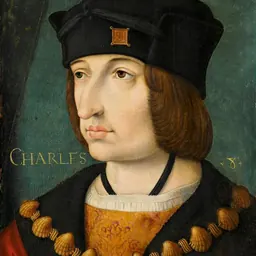

Contemporaries
People whose lives overlapped Muhammed XI, Sultan of Granada's

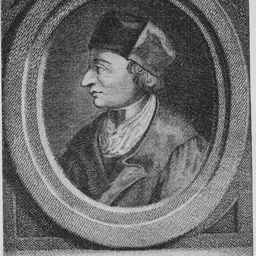
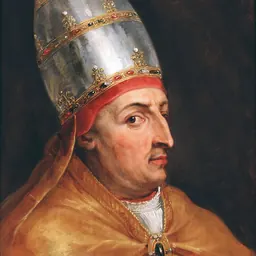
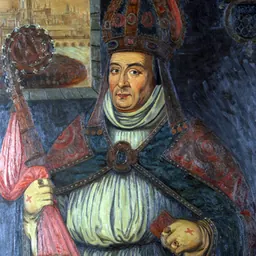
Frequently asked questions
Who was Muhammed XI, Sultan of Granada?
Sultan of Granada
When was Muhammed XI, Sultan of Granada born?
Muhammed XI, Sultan of Granada was born in 1428 in Granada.
When did Muhammed XI, Sultan of Granada die?
Muhammed XI, Sultan of Granada died in 1454 in Alhambra.
What was Muhammed XI, Sultan of Granada's occupation?
Muhammed XI, Sultan of Granada was a politician.
Sources & further reading
· Wikipedia: Muhammed XI, Sultan of Granada
· DBpedia: Muhammad X of Granada
Cite this page
APA: Biography.guide. (2026). Muhammed XI, Sultan of Granada. https://biography.guide/muhammed-xi-sultan-of-granada/
MLA: "Muhammed XI, Sultan of Granada." Biography.guide, https://biography.guide/muhammed-xi-sultan-of-granada/.
Chicago: "Muhammed XI, Sultan of Granada." Biography.guide. https://biography.guide/muhammed-xi-sultan-of-granada/.
Data last updated: 2026-09-20 · Spot an error? Report a correction.
Page generated 2026-09-27 05:25 UTC