
About Morishige Takei
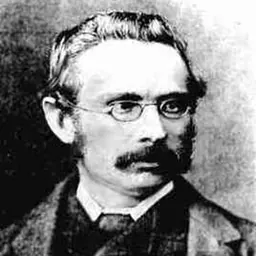
Lived 1890 – 1949 (aged 59). Morishige Takei was a Japanese composer and classical guitarist.
was a Japanese composer and court official during the reign of Emperor Showa.
Biography He studied Italian at Tokyo College of Language. After studying in Italy and discovering the mandolin and guitar, he returned to Japan and in 1915 established what would become the Sinfonia Mandolini Orchestra, a mandolin orchestra. The orchestra would continue (with breaks) through 1949, when he died. He became a composer, with 114 compositions for mandolin and guitar.
World War II affected music in Japan, through the National Mobilization Law of 1938. One of the effects of the law was to allow the government to assert control of music, banning western music and instruments, including the electric guitar, banjo and ukulele. In spite of this, Takei was able to maintain his mandolin-guitar orchestra until 1943. His orchestra, named the Orchestra Sinfonica Takei in 1923, was temporarily renamed Takei-Gakudan (shedding non-Japanese words in its name), December 1941. After the war, he rose higher in the imperial court. He continued the work of promoting the mandolin and guitar, giving a concert with his orchestra November 6, 1949. He fell ill at a rehearsal, however, on December 12 and died two days later.
Works Mandolin orchestra Twilight, Op. 6 (1921) Morning Prelude, Op. 10 (1925) (co-produced with Akira Onuma and Akira Sugawara "From the Friend's Three Friends") Small Flowers Dancing, Op. 14 (1925) Late Spring, Op. 15 (1925) To a Dead Young Man, Op. 18 (1925) Fantasia "Impression of Korea", Op. 20 (1926) Small March "Louise", Op. 21 (1926) Spring Nostalgia, Op. 22 (1927) Remembering Carlle, Op. 23 (1927) Song of Early Autumn, Op. 26 (1927) Futaba of Album, Op. 30 (1929) Summer's Suite, Op. 31 (1928) Spring Festival Night, Op. 34 (1930) Hypocritical, Op.35 (1930) Flow, Op. 36 (1931) Evening Rain Shower, Op. 38 (1931) Dusk, Op. 41 (1931) Improvisation Song, Op. 42 (1932) Yellowling Flower, Op. 43 (1932) Big, Op. 45 (1939) Spring Sailing, Op. 46 (1940) Standing in Front of the House of the Martyrdom Chapel, Op. 47 (1940) Rain and Cosmos, Op. 49 (1941) Festival Town Corner, Op. 50 (1941) Akane, Op. 63 (1942) March March "Going through the Sky", Op. 64 (1942) Dew Small Diameter, Op. 68 (1942) Algae, Op. 69 (1942) The Fruit Jumps Off, Op. 70 (1942) Sonko, Op. 74 (1943) Insect Dance, Op. 80 (1943) Life Autumn, Op. 81 (1943) Breeze, Op. 108 (1947) Suite "Festival of Fruits", Op. 111 (1948)
Guitar Ensemble For the Morning Mist, Op. 76 (1943)
Mandolin solo piece Spring to Go, Op. 29 (1928)
Guitar solo Memories of Childhood, Op. 1 (1919) Field Walking, Op. 2 (1919) Harmonic Minuet, Op. 5 (1921) – arrangement for mandolin orchestra Song Dedicated to Tárrega, Op. 7 (1921) Improvisation Song, Op. 8 (1924) Today's Joy, Op. 9 (1924) – arrangement for mandolin orchestra (1925) A Visit to the Autumn Rain, Op. 11 (1924) – arrangement for mandolin orchestra (1925) Small Dances, Op. 12 (1924) – arrangement for guitar ensemble Fallen Leaf, Op. 27 (1927) – arrangement for mandolin orchestra (1928) Petals, Op. 28 (1928) Hill of Late Days, Op. 51 (1941) Along the Flow, Op. 52 (1941) Thinking About my Invisible Dream, Op. 53 (1941) Arrangement, Op. 54 (1941) – arrangement for mandolin orchestra (1941) Romanza, Op. 55 (1941) Scherzo, Op. 56 (1941) Capri Chetth No. 1, Op. 57 (1941) Four Preludes, Op. 58 (1941) Snow is Also Good, Op. 62 (1942) There is a Lotus, Op. 65 (1942) Izumi, Op. 66 (1942) Window of Rain, Op. 67 (1942) Akumo, Op. 71 (1942) Painting a Girl, Op. 72 (1942) Silent Verse, Op. 73 (1943) Under the Spring Light Op. 75 (1943) – arrangement for mandolin orchestra (1947) Wooden car, Op. 78 (1943) Cutting by lower three strings, Op. 79 (1943) Otone, Op. 82 (1944) Odori, Op. 83 (1944) Memorial, Op. 84 (1944) Clear morning, Op. 85 (1944) Dusky, Op. 86 (1944) Shō, Op. 87 (1944) Shibaki, Op. 88 (1944) Autumn's Fantasy, Op. 89 (1944) Variations on the Theme "The Moon in Wild Archeology", Op. 90 (1944) Fleas, Op. 92 (1945) Osmanthus, Op. 93 (1945) – arrangement for mandolin orchestra (1947) Winter Street Trees, Op. 94 (1945) A Woman Carrying Threads, Op. 95 (1945) – arrangement for mandolin orchestra (1947) Furnace Edge, Op. 96 (1946) Infant, Op. 97 (1946) Ukifune Cloud, Op. 98 (1946) Toshikanoka, Op. 99 (1946) Two Preludes, Op. 101 (1946) Memories of Torino, Op. 102 (1946) Torn Glass Door, Op. 103 (1946) Wine Alcohol, Op. 104 (1946) Butterflies Fell in the Water, Op. 105 (1947) One Night, Op. 106 (1947) Capri Chett No. 2, Op. 107 (1947) Yellow Flower, Op. 109 (1947) Easy Album, Op. 110 (1948) See the Stars, Op. 112 (1948) Album for Children, Op. 114 (1949)
Songs Fall color, Op. 60 (1941, Takada Mikuni ) – voice and guitar Fairy Phrase, Op. 100 (1946, Takada Mikuni) – voice and guitar
Choral Fall Three Themes, Op. 113 (1948, Takada triple noun) – chorus and mandolin orchestra
Don’t just read it —
keep it.
Full-length biographies made to live with: read them, listen on the way to work, watch them tonight.
- E-book
- Audio
- Video
Instant download · yours to keep · every purchase keeps this site free
Important facts
Related people
Same field, nearest in time




Contemporaries
People whose lives overlapped Morishige Takei's



Frequently asked questions
Who was Morishige Takei?
musical artist (1890-1949)
When was Morishige Takei born?
Morishige Takei was born on 11 October 1890 in Tottori.
When did Morishige Takei die?
Morishige Takei died on 14 December 1949.
What was Morishige Takei's occupation?
Morishige Takei was a composer and classical guitarist.
What nationality was Morishige Takei?
Morishige Takei was Japanese.
Sources & further reading
Cite this page
APA: Biography.guide. (2026). Morishige Takei. https://biography.guide/morishige-takei/
MLA: "Morishige Takei." Biography.guide, https://biography.guide/morishige-takei/.
Chicago: "Morishige Takei." Biography.guide. https://biography.guide/morishige-takei/.
Data last updated: 2026-09-20 · Spot an error? Report a correction.
Page generated 2026-09-27 05:25 UTC