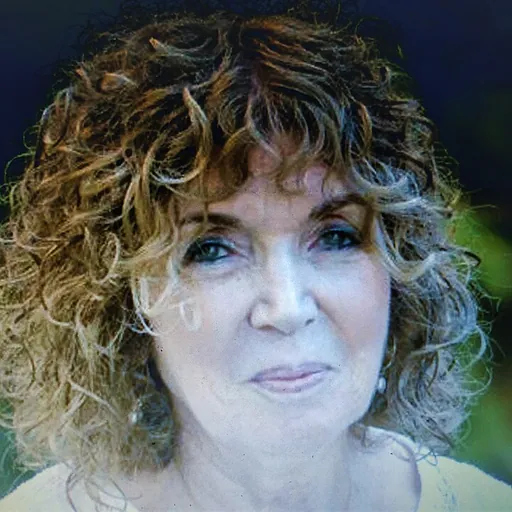
About Michal Schwartz
Born 1950. Michal Schwartz is an Israeli immunologist, researcher, neuroscientist, physician and neuroimmunologist.
website =
Michal Schwartz (; born 1 January 1950) is a professor of neuroimmunology at the Weizmann Institute of Science. She is active in the field of neurodegenerative diseases, particularly utilizing the immune system to help the brain fight terminal neurodegenerative brain diseases, such as Alzheimer's disease and dementia.
Schwartz's studies have shown that the immune system supports a healthy brain's function and is vital for healing and protecting the brain in case of injury or disease.
Schwartz coined the term protective autoimmunity and discovered roles for immune cells in repair and neurogenesis. She has been the elected chair of the International Society of Neuroimmunology (ISNI) since 2016.
In 2023 Schwartz received the honorary Israel Prize for Life Sciences.
Education Schwartz gained her Bachelor of Science in chemistry at the Hebrew University of Jerusalem in 1972. She received her Ph.D. in immunology in 1977 at the Weizmann Institute of Science, where she would later spend the majority of her career. She also spent time at the University of Michigan, Ann Arbor, researching nerve regeneration.
Career and research At the Weizmann Institute, she progressed from senior scientist in the Department of Neurobiology to full professor in 1998, and was then awarded the Maurice and Ilse Katz Professorial Chair in Neuroimmunology in 2016. Schwartz's work in neuroimmunology has encompassed a wide range of pathologies in the central nervous system (CNS), including injury, neurodegeneration, mental dysfunction, and aging. She coined the term protective autoimmunity and demonstrated the role of immune cells such as macrophages and T cells in spinal cord repair. She also identified specific brain areas for 'cross talk' between the CNS and the immune system. This cross-talk is important for recruiting immune cells and maintaining a healthy brain, and the disruption of this cross-talk can play a role in brain aging and neurodegenerative disease. She also showed this role in pregnancy and fetal brain development, where immune disruption in the mother can be linked to neurodevelopmental disorders in their children. Another focus of her work has been on repurposing cancer immunotherapies such as PD-1 blockers to treat neurodegenerative disorders, such as Alzheimer's disease.
Macrophages The Schwartz team discovered that bone marrow-derived macrophages are needed for central nervous system (CNS) repair. The brain-resident myeloid cells (the microglia), and infiltrating monocyte-derived macrophages are not redundant populations, despite their myeloid phenotype, and display distinct functions in resolution of brain inflammation.
Autoimmunity In her research, Schwartz discovered that the ability to cope with sterile CNS injuries requires support in the form of an adaptive immune response mediated by CD4+ T cells that recognize CNS antigens. She coined the concept of protective autoimmunity, to distinguish this response from autoimmune disease, in which the anti-self response escapes control. Over the years, it became clear that adaptive immunity is needed to facilitate the recruitment of immunoregulatory cells, including bone marrow-derived macrophages and FoxP3 regulatory T cells, though the balance between regulatory T cells and effector memory cells is different in the periphery versus the brain.
Brain Homeostasis Schwartz's team discovered the role of adaptive systemic immune cells, and specifically T cells recognizing brain antigens (Protective autoimmune T cells), in supporting the cognitive capacity of the healthy brain, for lifelong neurogenesis, and functional brain plasticity. These observations paved the way for numerous additional discoveries in which the brain-immune axis was described.
The Choroid Plexus Schwartz's team identified the brain's choroid plexus (CP) within the blood-cerebrospinal fluid barrier as an immunological interface between the brain and the immune system. It serves as a niche that hosts immune cells, and as a physiological entry gate for leukocytes. Focusing on this unique niche within the brain led the Schwartz group to propose that IFN-γ holds the key to regulating CP gateway activity. Her team further showed that in brain aging and neurodegenerative diseases (studied using both mouse models and human samples), dysfunction of this interface is determined both by signals originating in the brain, and signals from the aged immune system, which led to the identification of Type-I Interferon (IFN-I) at the CP as a negative player, affecting the fate of the aging brain in general, and of microglia, in particular. A similar IFN-I signature at the CP was subsequently discovered by others in Alzheimer's disease and in the postmortem brains of infected patients who died from COVID-19.
Students
Schwartz has mentored approximately 40 Ph.D. students , and approximately 39 MSc students. Her former Ph.D. students include Jonathan Kipnis, Noga Ron Harel, Jasmin Fisher, Asya Rolls.
Don’t just read it —
keep it.
Full-length biographies made to live with: read them, listen on the way to work, watch them tonight.
- E-book
- Audio
- Video
Instant download · yours to keep · every purchase keeps this site free
Important facts
People in Michal Schwartz's life
Named in this biography and alive at the same time

Related people
Same field, nearest in time

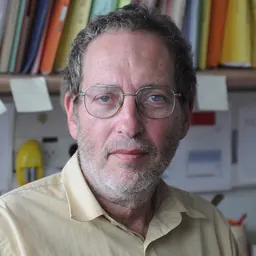


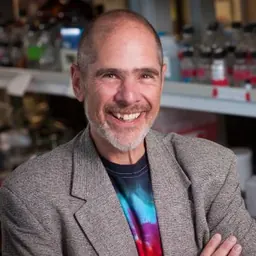
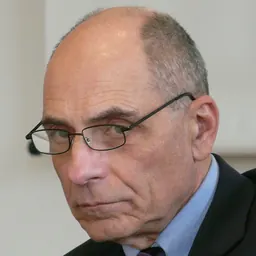
Contemporaries
People whose lives overlapped Michal Schwartz's


Frequently asked questions
Who is Michal Schwartz?
Israeli neuroscientist
When was Michal Schwartz born?
Michal Schwartz was born on 1 January 1950 in Tel Aviv, Israel.
What is Michal Schwartz's occupation?
Michal Schwartz is an immunologist, researcher, neuroscientist, physician and neuroimmunologist.
What nationality is Michal Schwartz?
Michal Schwartz is Israeli.
Sources & further reading
Cite this page
APA: Biography.guide. (2026). Michal Schwartz. https://biography.guide/michal-schwartz/
MLA: "Michal Schwartz." Biography.guide, https://biography.guide/michal-schwartz/.
Chicago: "Michal Schwartz." Biography.guide. https://biography.guide/michal-schwartz/.
Data last updated: 2026-09-22 · Spot an error? Report a correction.
Portrait: Wikimedia Commons · author & licence
Page generated 2026-09-27 05:02 UTC