
About Maximos Kausokalybites
Lived 1270 – 1365 (aged 94–95). Maximos Kausokalybites was a Byzantine monk.
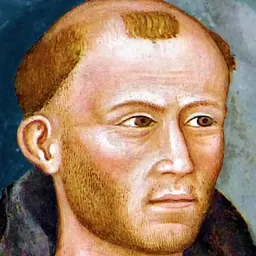
Maximos of Kafsokalyvia or Maximos Kausokalybis (; died 1365 or 1380; also spelled Kafsokalyvis, from "of the burning hut"), also known as St. Maximos the Hut Burner, was a hesychast monk who lived on Mount Athos in Greece. Some of Maximos' writings on prayer and ascetism are included in the Philokalia.
He is celebrated by the Eastern Orthodox Church on January 13 (26).
Biography According to Theophanes of Vatopedi, Maximos was born Manuel (his baptismal name) into an aristocratic family in Lampsacus, a town on the Hellespont. He was born sometime between 1272 and 1285.
Maximos then settled at the Great Lavra. During his time there, he experienced three divine visions from the Virgin Mary, who told Maximos to ascend the summit of Mount Athos. After the third vision, Maximos finally obeyed and climbed up to the summit of Mount Athos, where he spent three days before receiving a vision of the Virgin Mary, who told him to remain on Mount Athos. Thus began around ten years of wandering. Maximos lived an austere life, mostly as a recluse in crude shelters, moving from time to time to seek further seclusion. He wore only a single piece of clothing, lived on a diet of wild nuts and berries, and would regularly burn down his hut as he moved on to new locations. His habit of burning his old hut when it was time to move resulted in his nickname "The Hut-Burner."
At Mount Athos, he was a close associate of Gregory of Sinai. During his life, he was held in high repute as a holy man and spiritual adviser, admired for his austerity, and a reputation for clairvoyance, prophecy, healing, and exorcizing demons. Legend had him seen flying in the air, turning seawater into drinking water, and more.
Circa 1350, the Byzantine emperors John VI Kantakouzenos and John V Palaiologos visited Maximos. Kallistos subsequently journeyed on to Serbia, where he then died.
During his final years, Maximos gave his hut to Niphon Kausokalybites and moved closer to the Great Lavra so that he could hear its bells.
Other biographies of Maximos the Hutburner were written during the early 14th century by Makarios Makres (c. 1382/3-1431) and Ioannikios Kochylas (written c. 1400).
Don’t just read it —
keep it.
Full-length biographies made to live with: read them, listen on the way to work, watch them tonight.
- E-book
- Audio
- Video
Instant download · yours to keep · every purchase keeps this site free
Important facts
People in Maximos Kausokalybites's life
Named in this biography and alive at the same time


Related people
Same field, nearest in time


Contemporaries
People whose lives overlapped Maximos Kausokalybites's

Frequently asked questions
Who was Maximos Kausokalybites?
Byzantine saint
When was Maximos Kausokalybites born?
Maximos Kausokalybites was born in 1270 in Lapseki.
When did Maximos Kausokalybites die?
Maximos Kausokalybites died in 1365 in Mount Athos.
What was Maximos Kausokalybites's occupation?
Maximos Kausokalybites was a monk.
What nationality was Maximos Kausokalybites?
Maximos Kausokalybites was Byzantine.
Sources & further reading
· Wikipedia: Maximos Kausokalybites
· DBpedia: Maximos of Kafsokalyvia
Cite this page
APA: Biography.guide. (2026). Maximos Kausokalybites. https://biography.guide/maximos-kausokalybites/
MLA: "Maximos Kausokalybites." Biography.guide, https://biography.guide/maximos-kausokalybites/.
Chicago: "Maximos Kausokalybites." Biography.guide. https://biography.guide/maximos-kausokalybites/.
Data last updated: 2026-09-20 · Spot an error? Report a correction.
Page generated 2026-09-27 05:03 UTC