
Maria, Lady Thynne
English gentlewoman, proto Juliet
About Maria, Lady Thynne
Lived 1578 – 1611 (aged 32–33). Maria, Lady Thynne was an English.
Maria, Lady Thynne born Maria Tuchet nicknamed "Mall" (1578 – 1611) was an English gentlewoman whose marriage was against her and her husband's family's wishes and this led to a long legal dispute. It is possible that this story influenced William Shakespeare to start to rewrite the Italian story of Romeo and Juliet. Maria and her mother-in-law's correspondence is extant and gives an insight into their disagreement.
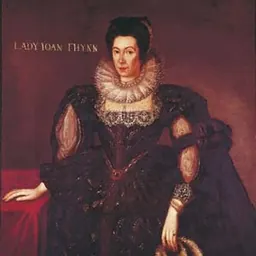
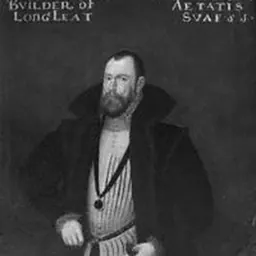
Life Thynne was born in 1578 she was the second daughter of Lucy and Lord Audley. Her grandfather was Sir James Marvin or Mervyn. Thynne was the son and heir of Sir John Thynne of Longleat, a knight of the shire. The two were married on the day they first met and for some time kept their marriage secret because their fathers were bitterly opposed to each other, continuing a feud which had begun in the previous generation. When their story became known, Thynne's parents and Joan Thynne in particular, tried unsuccessfully to have the marriage annulled. The dispute over the marriage was resolved in 1601 by Daniel Donne who was the Dean of the Court of Arches, who ruled against Joan Thynne's claim. When Joan's husband John died in 1604 Longleat went into the hands of Maria (her enemy). Joan was not beaten and in 1605 she, on behalf of her daughters, took her son to the chancery court.
These events may have provided the impetus (or not Thomas and Maria Thynne had three sons, before she died in childbirth. Two of these sons survived childhood, James Thynne (died 1670) and Sir Thomas Thynne. Thomas's mother did not forgive him for his marriage and she took out a court case on behalf of her daughter against Thomas.
Eventually her husband, who had since been knighted, inherited his father's estates, including Longleat House. During his frequent absences, Maria managed the estates, including forestry and livestock. She hired servants and negotiated with tenants and retainers. She accepted the leases and reported to her husband about late payers. In 1609 and 1610 she took over the financial management of the purchase of the Manor of Warminster from her brother Mervyn Tuchet.
Thynne's surviving correspondence between 1595 and 1611 was published by the Wiltshire Record Society in 1983 as part of the title Two Elizabethan Women: correspondence of Joan and Maria Thynne. After the death of Maria in 1611, her husband married secondly Catherine Howard, a daughter of Hon. Charles Howard, son of the first Viscount Howard and niece of Lord Howard of Bindon. With her he had further sons, including Sir Henry Frederick Thynne, 1st Baronet (1615–1680), ancestor of the Marquesses of Bath.
Don’t just read it —
keep it.
Full-length biographies made to live with: read them, listen on the way to work, watch them tonight.
- E-book
- Audio
- Video
Instant download · yours to keep · every purchase keeps this site free
Important facts
People in Maria, Lady Thynne's life
Named in this biography and alive at the same time




Contemporaries
People whose lives overlapped Maria, Lady Thynne's



Frequently asked questions
Who was Maria, Lady Thynne?
English gentlewoman, proto Juliet
When was Maria, Lady Thynne born?
Maria, Lady Thynne was born in 1578.
When did Maria, Lady Thynne die?
Maria, Lady Thynne died in 1611.
What nationality was Maria, Lady Thynne?
Maria, Lady Thynne was English.
Sources & further reading
· Wikipedia: Maria, Lady Thynne
Cite this page
APA: Biography.guide. (2026). Maria, Lady Thynne. https://biography.guide/maria-lady-thynne/
MLA: "Maria, Lady Thynne." Biography.guide, https://biography.guide/maria-lady-thynne/.
Chicago: "Maria, Lady Thynne." Biography.guide. https://biography.guide/maria-lady-thynne/.
Data last updated: 2026-09-20 · Spot an error? Report a correction.
Page generated 2026-09-27 05:08 UTC