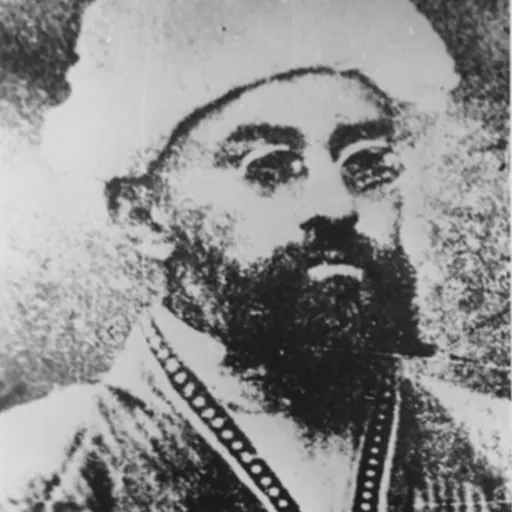
About Mahmud Khoja Behbudiy
Lived 1875 – 1919 (aged 43–44). Mahmud Khoja Behbudiy was a Russian writer, journalist and politician.
Mahkmudkhodja Behbudiy (Cyrillic Маҳмудхўжа Беҳбудий; Arabic script ; born as Mahmudkhodja ibn Behbud Chodscha) (20 January 1875 in Samarkand – 25 March 1919 in Qarshi) was an Uzbek Jadid activist, writer, journalist and leading public figure in Imperial Russian and Soviet Turkestan.
Life Mehmudkhodja Behbudiy was born on 20 January 1875 (new calendar) on the outskirts of Samarkand in Russian Turkestan. Many members of his family were Islamic scholars, and Behbudiy too became a Qazi following his madrasah education. After an eight-month trip to Arabia, Transcaucasia, Istanbul and Cairo in 1899, which brought him into contact with the cultural movements in Islam in the wider world, he started his public career in Central Asia in 1903. He subscribed to Ismail Gaspirali's Tercüman and changed his name from ibn Behbud Chodscha to Behbudiy. He also wrote articles in support of Jadidism in all Central Asian newspapers and in 1913 launched Ayina ("The Mirror"), a weekly magazine, which he published almost by himself for twenty months. He also published the newspaper Samarkand. His friends included Siddiqiy Ajziy, Abduqodir Shakuriy and Haji Muin.
After the February Revolution in 1917, Behbudiy became one of the two Muslim members of the first executive committee in Samarkand. During the debate on territorial autonomy for Turkestan in the following months, Behbudiy was one of the few Jadids to argue in favor.
Behbudiy was arrested by the last Emir of Bukhara in Qarshi in 1919, probably while on his way to the Paris Peace Conference. After a period of torture, in which he also wrote his last will, he was executed. The city of Qarshi was later renamed Behbudiy in his honor from 1922 to 1937.
Work
Behbudiy's work is divided into two phases by the Russian Revolution of 1917. Before it, Behbudiy wrote newspaper and magazine articles as well as textbooks, his first publication being an article in Turkiston viloyatining gazeti. He also established a reading room in Samarkand and promoted theatre, which he saw as an effective way to spread propaganda. In 1913, he also wrote the first modern Central Asian play with Padarkush ("The Patricide"), which was seen as a native counterweight against Tatar guest plays. Typical for modernist writing in Central Asia, many of his works had a strong educational message.
Works (selection) During his lifetime, Behbudiy made important contributions to Uzbek literature. By the time of his death, he had written more than 200 articles, textbooks and theatre plays for various magazines and newspapers, including Tercüman and Vaqt.
1903: Muntaxabi jug'rofiyai umumiy (Textbook for Geography) 1904: Kitob-ul-atfol (Children's book) 1904: Muxtasari tarixi islom ("A Brief History of Islam") 1908: Russiyaning qisqacha jug'rofiyasi ("The Geography of Russia") 1913: Padarkush ("The Patricide")
Drama "Padarkush" Behbudi wrote the drama "Padarkush" in 1911. This was the first Uzbek drama. This play with 3 acts and 4 scenes was simple in content and told the story of an uneducated, ignorant boy who killed his father. Behbudi called the genre of this work as "national tragedy". Czar's censorship does not allow the publication of this work. "Dedicated to the 100th anniversary of the Battle of Borodino and the liberation of Russia from the French invasion," it was censored in Tbilisi. The play was published in 1913, but it took another year to be staged. The play was staged in Samarkand on January 25, 1914. Drama has a strong influence on people. "Padarkush" was a work that started a new stage in Uzbek literature, both in terms of genre and content. The drama was re-enacted by Avloni on February 27, 1914, in Tashkent.
Don’t just read it —
keep it.
Full-length biographies made to live with: read them, listen on the way to work, watch them tonight.
- E-book
- Audio
- Video
Instant download · yours to keep · every purchase keeps this site free
Important facts
People in Mahmud Khoja Behbudiy's life
Named in this biography and alive at the same time

Related people
Same field, nearest in time

Contemporaries
People whose lives overlapped Mahmud Khoja Behbudiy's


Frequently asked questions
Who was Mahmud Khoja Behbudiy?
Uzbek writer
When was Mahmud Khoja Behbudiy born?
Mahmud Khoja Behbudiy was born on 20 January 1875 in Samarkand.
When did Mahmud Khoja Behbudiy die?
Mahmud Khoja Behbudiy died in 1919 in Qarshi.
What was Mahmud Khoja Behbudiy's occupation?
Mahmud Khoja Behbudiy was a writer, journalist and politician.
What nationality was Mahmud Khoja Behbudiy?
Mahmud Khoja Behbudiy was Russian.
Sources & further reading
· Wikipedia: Mahmud Khoja Behbudiy
· DBpedia: Mahmud Khoja Behbudiy
Cite this page
APA: Biography.guide. (2026). Mahmud Khoja Behbudiy. https://biography.guide/mahmud-khoja-behbudiy/
MLA: "Mahmud Khoja Behbudiy." Biography.guide, https://biography.guide/mahmud-khoja-behbudiy/.
Chicago: "Mahmud Khoja Behbudiy." Biography.guide. https://biography.guide/mahmud-khoja-behbudiy/.
Data last updated: 2026-09-20 · Spot an error? Report a correction.
Portrait: Wikimedia Commons · author & licence
Page generated 2026-09-27 04:57 UTC