
About Julio González
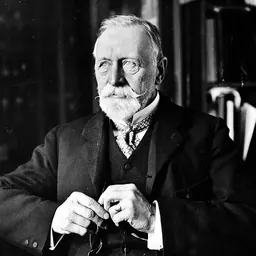
Lived 1876 – 1942 (aged 65). Julio González was a Spanish sculptor, painter, illustrator, jewelry designer, ceramicist and draftsperson.
Julio González i Pellicer (21 September 1876 – 27 March 1942), born in Barcelona, was a Spanish sculptor and painter who developed the expressive use of iron as a medium for modern sculpture. Known as "the father of all iron sculpture of this century", It was there where they met artists like Joan Miró and Pablo Picasso.
By the turn of the 20th century, Pablo Picasso and González became great friends. González moved to Paris in 1902, but traveled to Barcelona several times in the early 20th century. At the Picasso Museum in Barcelona, their close friendship is verified by a drawn portrait, entitled "Julio González and the Robust Man Seen from Behind". They remained close friends until 1908; scholars do not know why their friendship ended at this time, but based on González archival materials, it appears to be related to an earlier dispute with Julio's brother, Joan. In the winter of 1927–28, he showed Picasso how to use oxy-fuel welding and cutting. From October 1928 till 1932, both men worked together—and in 1932, González was the only artist with whom Picasso shared his own personal art notebook. During the early 1930s, few artists utilized forged or welded metal as a potential medium for their art. This is because, at the time, many artists did not directly work with the medium. Rather, artists worked with a foundry and expert technicians to execute the works of art. González was unique in this instance because his work demanded an active interaction- something that required the skills shaped by a long and specialized apprenticeship.
As González aged between 1938 and 1940, he drew more. These later works, as scholar Joseph Withers states, "touch on larger problems and personal concerns which necessitated our discussion of these works in the context of González's evidently pessimistic reaction to the Spanish Civil War and the Second World War. When the German invasion occurred in France, the couple had to separate from the rest of the family since Hans Hartung was an anti-Nazi and was wanted by the German secret police.
Gallery
Don’t just read it —
keep it.
Full-length biographies made to live with: read them, listen on the way to work, watch them tonight.
- E-book
- Audio
- Video
Instant download · yours to keep · every purchase keeps this site free
Important facts
more
Juli Gonzalez i Pellicer, Juli González-Pellicer, Juli Gonzalez Pellicer, Juli González, Julio Gonzales, Juli González y Pellicer, Julio González-Pellicer, Julio Gonzalez, Julio Gonzalez Pellicer, Julio González i Pellicer, Julio Gonzalez-Pellicer, Julio González Pellicer, Julio Luis Jésus González-Pellicer, Julio Gonzalez y Pellicer, Juli GonzĺezPeople in Julio González's life
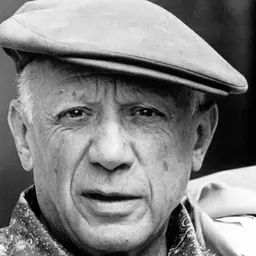
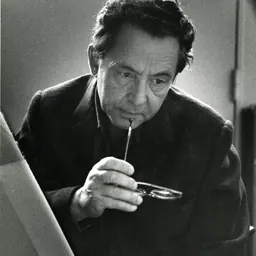
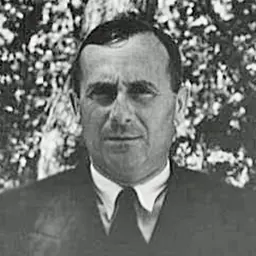
Named in this biography and alive at the same time
Related people
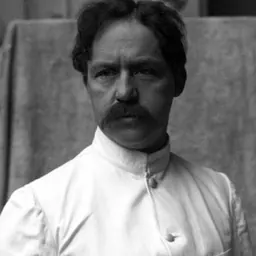
Same field, nearest in time



Contemporaries
People whose lives overlapped Julio González's

Frequently asked questions
Who was Julio González?
Spanish artist (1876–1942)
When was Julio González born?
Julio González was born on 21 September 1876 in Barcelona.
When did Julio González die?
Julio González died on 27 March 1942 in Arcueil.
What was Julio González's occupation?
Julio González was a sculptor, painter, illustrator, jewelry designer, ceramicist and draftsperson.
What nationality was Julio González?
Julio González was Spanish.
Sources & further reading
· DBpedia: Julio González (sculptor)
Cite this page
APA: Biography.guide. (2026). Julio González. https://biography.guide/julio-gonzalez-sculptor/
MLA: "Julio González." Biography.guide, https://biography.guide/julio-gonzalez-sculptor/.
Chicago: "Julio González." Biography.guide. https://biography.guide/julio-gonzalez-sculptor/.
Data last updated: 2026-09-20 · Spot an error? Report a correction.
Page generated 2026-09-27 05:32 UTC