
About Juan Jufré
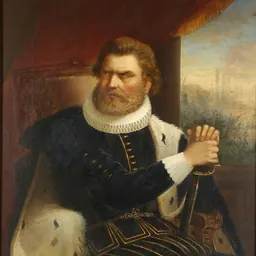
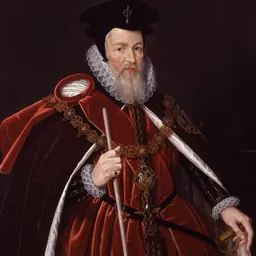
Lived 1516 – 1578 (aged 61–62). Juan Jufré was a Spanish explorer, military personnel and conquistador.
Juan Jufré de Loayza y Montesa (1516–1578) was a Spanish conquistador who participated in the 1541 expedition of Pedro de Valdivia to Chile. He was the first alcalde of Santiago, Chile (in 1541) and held the position of governor of the Argentine province of Cuyo. He founded the city of San Juan de la Frontera and re-founded the city of Mendoza.
Career Jufré was born in Medina de Rioseco, a municipality of Valladolid, to Francisco Jufré de Loayza and Cándida de Montesa. In 1538, he arrived in the Americas with Captain Juan Martin de Candia, and they traveled from Panama to Peru, soon moving to Chile with Captain Pedro de Valdivia. He was present at the foundation of Santiago and in the first campaigns against the natives. Jufré accompanied Pedro de Villagra when he returned to fight in the civil war in Peru against Gonzalo Pizarro in 1547 and 1548. After his return, Jufré engaged in the Arauco War, becoming captain and justice of the Arauco Province. After the death of Valdivia in Tucapel (1553), he aided the population in the south with food; in 1554 he crushed a rebellion of the Promaucaes in Gualemo on the Lontué River (now the province of Curicó).
Jufré later fought against Lautaro and participated in the campaigns of García Hurtado de Mendoza. He held a role in the refounding of Concepción in 1559. When Francisco de Villagra became governor of Chile, Jufré was named Lieutenant Governor of the Province of Cuyo in 1561 and founded the city of San Juan de la Frontera and refounded Mendoza. Returning in 1562 because of the new Mapuche revolt, he became lieutenant of Governor of Chile and organized aid for the war in the south. He continued participating in the war for more than a decade.
In the Cabildo of Santiago (the municipal city council) Jufré held various positions, such as alcalde (magistrate) and regidor in the decades between 1550 and 1570. In addition, in 1556 he was royal alferiz of the city, between 1562 and 1563 he was its corregidor and he represented it in 1568 before the Real Audiencia established in Concepcion.
Accomplishments Jufré made a fortune developing important economic activities in Chile. He built the first shipyard next to the Maule River, in his encomienda of Pocoa. He planted the first vineyards in his encomienda of Macul near Santiago where he made wine that he sold in Peru along with other goods. Trade was conducted on his own ships. In 1553, he established a mill on the Mapocho River and later a textile factory amid his two encomiendas (Mataquito and Peteroa) on the banks of the Mataquito River. He died in Santiago in 1578 and was buried at the Church of Santo Domingo.
Don’t just read it —
keep it.
Full-length biographies made to live with: read them, listen on the way to work, watch them tonight.
- E-book
- Audio
- Video
Instant download · yours to keep · every purchase keeps this site free
Important facts
People in Juan Jufré's life
Named in this biography and alive at the same time

Related people
Same field, nearest in time



Contemporaries
People whose lives overlapped Juan Jufré's



Frequently asked questions
Who was Juan Jufré?
Spanish conquistador
When was Juan Jufré born?
Juan Jufré was born in 1516 in Medina de Rioseco.
When did Juan Jufré die?
Juan Jufré died in 1578 in Santiago.
What was Juan Jufré's occupation?
Juan Jufré was an explorer, military personnel and conquistador.
What nationality was Juan Jufré?
Juan Jufré was Spanish.
Sources & further reading
Cite this page
APA: Biography.guide. (2026). Juan Jufré. https://biography.guide/juan-jufre/
MLA: "Juan Jufré." Biography.guide, https://biography.guide/juan-jufre/.
Chicago: "Juan Jufré." Biography.guide. https://biography.guide/juan-jufre/.
Data last updated: 2026-09-25 · Spot an error? Report a correction.
Page generated 2026-09-27 05:11 UTC