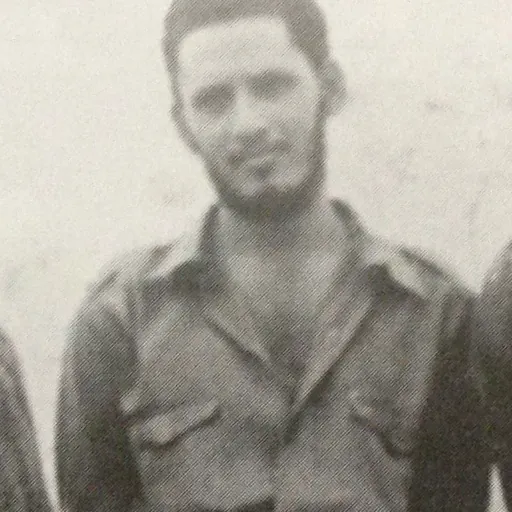
About Jorge Risquet
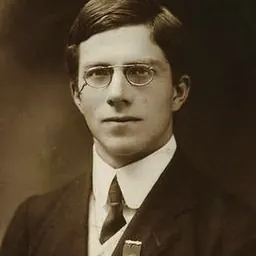
Lived 1930 – 2015 (aged 85). Jorge Risquet was a Cuban military personnel and revolutionary.
Jorge Risquet Valdés-Saldaña (6 May 1930 – 28 September 2015) was a Cuban revolutionary and politician. He participated in the Sierra Maestra guerrilla campaign against the government of Fulgencio Batista during the Cuban Revolution, and later became involved in the Angolan Civil War. He assisted in peace negotiations between Angola and South Africa, which led to the independence of Namibia and contributed to the release of Nelson Mandela and the end of apartheid. He was member of the Politburo of the Communist Party of Cuba from 1980 to 1991.
Early life Risquet grew up in a poor family living in a solar, or a tenement home, where a family lived in one room and shared a bathroom with other families. Living in poverty, both of Risquet's parents worked in the tobacco industry and developed a relationship in the Cuban Communist Party, in turn radicalizing Risquet in his youth.
Political career Risquet was politically active in Guatemala, where he represented Latin America in the World Federation of Democratic Youth until the US-backed coup there in 1954. In Guatemala, Risquet met Argentine doctor and later leader of the Cuban Revolution, Ernesto "Che" Guevara.
Risquet fought in the Cuban Revolution, starting in 1958. He additionally worked as an advisor to Raúl Castro in 1991. After about four months of negotiations, the Cuban and Angolan governments came to a consensus in January, greatly expanding the thousands of Cubans providing education and healthcare in the region as the civil war continued. Resistance to what was seen as an illegal occupation developed into the South African Border War between South West Africa People's Organization (SWAPO) insurgents and South African/ South-West African security forces. Risquet maintained a diplomatic relationship with SWAPO, taking a hardline approach by persuading SWAPO to take the position that, if Namibian Independence were to occur, then South Africa would also relinquish control of the wealthy Walvis Bay port back to the free Namibia. In 1987-1988, Cuban and FAPLA troops became involved in a serious clash with UNITA and South African forces in southern Angola during the Battle of Cuito Cuanavale. Fears that the conflict could escalate precipitated negotiations between the United States, Cuba, Angola, the Soviet Union and South Africa regarding the end of the South African Border War, the withdrawal of Cuban forces from Anglo, and Namibian independence. Following months of negotiations, an agreement was reached which allowed for a phased withdrawal of Cuban troops from Angola and South African forces from Namibia. The last Cuban troops left Angola in 1991.
Don’t just read it —
keep it.
Full-length biographies made to live with: read them, listen on the way to work, watch them tonight.
- E-book
- Audio
- Video
Instant download · yours to keep · every purchase keeps this site free
Important facts
People in Jorge Risquet's life
Named in this biography and alive at the same time


Related people
Same field, nearest in time


Contemporaries
People whose lives overlapped Jorge Risquet's



Frequently asked questions
Who was Jorge Risquet?
Cuban military personnel
When was Jorge Risquet born?
Jorge Risquet was born on 6 May 1930 in Havana.
When did Jorge Risquet die?
Jorge Risquet died on 5 October 2015 in Havana.
What was Jorge Risquet's occupation?
Jorge Risquet was a military personnel and revolutionary.
What nationality was Jorge Risquet?
Jorge Risquet was Cuban.
Sources & further reading
Cite this page
APA: Biography.guide. (2026). Jorge Risquet. https://biography.guide/jorge-risquet/
MLA: "Jorge Risquet." Biography.guide, https://biography.guide/jorge-risquet/.
Chicago: "Jorge Risquet." Biography.guide. https://biography.guide/jorge-risquet/.
Data last updated: 2026-09-23 · Spot an error? Report a correction.
Portrait: Wikimedia Commons · author & licence
Page generated 2026-09-27 05:07 UTC