
About Joe Capilano
Lived 1850 – 1910 (aged 59–60). Joe Capilano was a Canadian trade unionist.
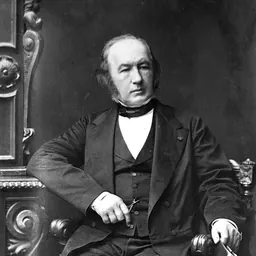
Joe Capilano (c. 1854–1910), also known as Capiano Joe, was a leader of the Squamish from 1895 to 1910, who was called Sa7plek (Sahp-luk). He fought for the recognition of native rights and lifestyle.
He spent his youth fishing and hunting and was famous for fighting against the wildly invading Lekwiltok warriors from the Kwakwaka'wakw Territory. He went to work in the sawmill at Moodyville, a pioneer settlement in what is now the Lower Lonsdale area of the city of North Vancouver.
In 1906, he, along with Cowichan Chief Charley Isipaymilt and Secwepemc Chief Basil David, traveled to Ottawa, then after that, London, to meet with King of Canada Edward VII to speak of the need to settle land claims in British Columbia. The Chief also asked for the ban against potlatches to be lifted.
Legacy Several landmarks on Vancouver's North Shore share his name, which in the original Skwxwu7mesh snichim is Giyeplénexw, approximately Kiapilanough, where "Kiap" is the name of a hereditary chieftaincy and "-lanough" means "people of"; his formal title in that language is TE Kiapila'noq. Among these, in addition to Capilano Indian Reserve No. 5 (Xwemelch'stn, historically anglicized as Homulchesan), are the Capilano River, Capilano Lake, one of the sources of Vancouver's water supply, and Capilano Mountain, which lies at the head of the river's drainage basin. Capilano Road, a major arterial road, takes its name from its course along the east side of the river, from the Capilano Reserve to the base of the airtram up to the Grouse Mountain ski resort. Capilano Road's intersection with Marine Drive is immediately east of the northern ramps of the Lions Gate Bridge. Capilano University, opened on September 10, 1968, in North Vancouver, is named after him after being selected from submissions made by North Shore residents. The neighbourhood of North Vancouver around the upper end of Capilano Road is Capilano Highlands. The Capilano Suspension Bridge is also a popular site in North Vancouver.
"Legends of Vancouver," a collection of Coast Salish, particularly Squamish, stories by Pauline Johnson, a Canadian poet of Mohawk origin, was based on Capilano's tales.
Don’t just read it —
keep it.
Full-length biographies made to live with: read them, listen on the way to work, watch them tonight.
- E-book
- Audio
- Video
Instant download · yours to keep · every purchase keeps this site free
Important facts
People in Joe Capilano's life
Named in this biography and alive at the same time

Related people
Same field, nearest in time

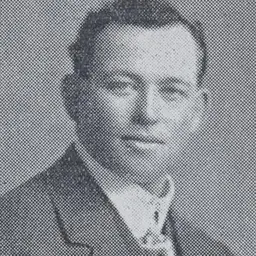
Contemporaries
People whose lives overlapped Joe Capilano's
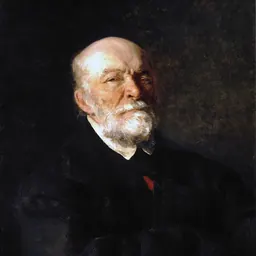


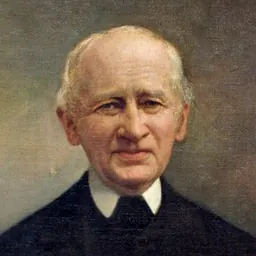
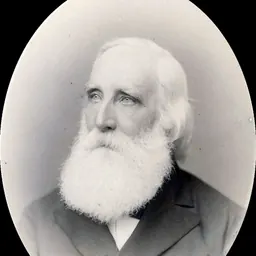
Frequently asked questions
Who was Joe Capilano?
Squamish leader (1850–1910)
When was Joe Capilano born?
Joe Capilano was born in 1850 in Squamish.
When did Joe Capilano die?
Joe Capilano died on 10 March 1910 in North Vancouver.
What was Joe Capilano's occupation?
Joe Capilano was a trade unionist.
What nationality was Joe Capilano?
Joe Capilano was Canadian.
Sources & further reading
Cite this page
APA: Biography.guide. (2026). Joe Capilano. https://biography.guide/joe-capilano/
MLA: "Joe Capilano." Biography.guide, https://biography.guide/joe-capilano/.
Chicago: "Joe Capilano." Biography.guide. https://biography.guide/joe-capilano/.
Data last updated: 2026-09-20 · Spot an error? Report a correction.
Page generated 2026-09-27 05:27 UTC