
João Acácio Pereira da Costa
Notorious Brazilian criminal of the 1960s
About João Acácio Pereira da Costa
Lived 1942 – 1998 (aged 55). João Acácio Pereira da Costa was a Brazilian.
João Acácio Pereira da Costa (Jun 24, 1942 – Jan 5, 1998), known as "O Bandido da Luz Vermelha" (translated to English as "The Red Light Bandit"), was a notorious Brazilian serial killer of the 1960s. He gained notoriety due to a series of crimes in the São Paulo region, Brazil.
Early years João Acácio became an orphan at the young age of four. He and his older brother, Joaquim Tavares Pereira, were then raised by an uncle. In 1967, the year he was arrested in Curitiba, Paraná, the Red Light Bandit recounted that he and his brother were subjected to forced labor by their uncle in exchange for food. The criminal further claimed that both of them were subjected to physical and psychological torture by their relative, who denied the accusations.
As a pre-adolescent, he was sexually assaulted by older boys who were his rivals. These traumas he experienced seem to have triggered his worst instincts.
In his adolescence, he moved to the state of São Paulo to escape the thefts he committed in his home state, settling in the city of Santos), where he portrayed himself as the son of farmers and a good young man, leading a quiet life in the place he chose to reside. However, contrary to the "good guy" image, he committed his crimes in São Paulo and returned unscathed to Santos.
He also engaged in car thefts and dismantling in Rio de Janeiro. "He would go to Rio by bus and return by car. He once stole 50 vehicles," says journalist and writer Gonçalo Junior, author of the book "Famigerado! — A História de Luz Vermelha, o bandido que aterrorizou São Paulo." All of this drew the attention of the press, earning him the moniker "Bandido da Luz Vermelha," in reference to the notorious American criminal Caryl Chessman, who had the same nickname.
The Red Light Bandit was vain, dressing in a way that attracted attention, with bright colors, extravagant hats, and cowboy scarves covering his face. He liked to wear wigs and would often pose as a musician, carrying a stolen guitar slung over his shoulder.
He spent the money he obtained from his robberies on women and nightclubs, and it took the police five years to identify him, finally achieving this after he left his fingerprints on a mansion's window. Ten days later, the victim was 23-year-old laborer José Enéas da Costa, who was killed during a fight with the criminal in a bar in the Bela Vista neighborhood. On June 7, 1967, in Jardim América, industrialist Jean von Christian de Száraspatak was shot and killed during an exchange of gunfire as he resisted a robbery attempt. and returned to the city of Joinville. He maintained a certain level of popularity because he had an obsession with wearing red clothes, and when someone asked for his autograph, he simply wrote the word "Autógrafo" (Autograph).
Death After four months and twenty days of freedom, João Acácio was shot and killed on January 5, 1998, during a bar brawl. According to the newspaper Notícias Populares at the time, the assailant, who was the host of João, claimed to have fired to save his brother's life. João had allegedly grabbed and threatened him with a knife after a dispute over a supposed incident of sexual harassment involving Red Light, the assailant's mother, and wife.
In November 2004, the assailant was acquitted by the Joinville Court, confirming that the act was in self-defense.
In popular culture His life of crime inspired the 1968 film O Bandido da Luz Vermelha directed by filmmaker Rogério Sganzerla, in which he was portrayed by actor Paulo Villaça. Although the film is based on real events, the ending was altered to have his character commit suicide.
"Luz nas trevas - A volta do bandido da luz vermelha" is the sequel to Rogério Sganzerla's original film and was one of the selections for the international competition at the 63rd Locarno Festival in Switzerland. The film is directed by Ícaro Martins and Helena Ignez, Rogério Sganzerla's widow, and stars the singer Ney Matogrosso. It was filmed in 2009 and premiered in 2010.
In 2019, his story was told in the book "Famigerado! — A História de Luz Vermelha, o bandido que aterrorizou São Paulo," written by journalist and writer Gonçalo Junior.
His story was turned into a song by the rock band Ira! in "Rubro Zorro," which opens their third album, "Psicoacústica" (1988). The track also includes some lines from the 1968 film "O Bandido da Luz Vermelha" directed by Rogério Sganzerla.
The horrorcore singer Patrick Horla also made a reference to his personality as the basis for the song "O bandido da lupa vermelha."
Don’t just read it —
keep it.
Full-length biographies made to live with: read them, listen on the way to work, watch them tonight.
- E-book
- Audio
- Video
Instant download · yours to keep · every purchase keeps this site free
Important facts
People in João Acácio Pereira da Costa's life
Named in this biography and alive at the same time
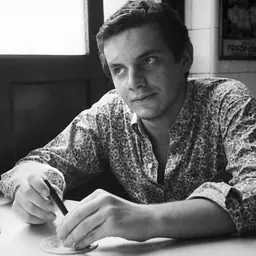



Contemporaries
People whose lives overlapped João Acácio Pereira da Costa's

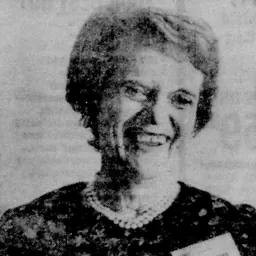
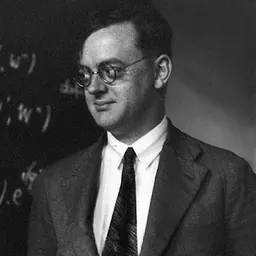

Frequently asked questions
Who was João Acácio Pereira da Costa?
notorious Brazilian criminal of the 1960s
When was João Acácio Pereira da Costa born?
João Acácio Pereira da Costa was born on 24 June 1942 in Joinville.
When did João Acácio Pereira da Costa die?
João Acácio Pereira da Costa died on 5 January 1998 in Joinville.
What nationality was João Acácio Pereira da Costa?
João Acácio Pereira da Costa was Brazilian.
Sources & further reading
· Wikipedia: João Acácio Pereira da Costa
· DBpedia: João Acácio Pereira da Costa
Cite this page
APA: Biography.guide. (2026). João Acácio Pereira da Costa. https://biography.guide/joao-acacio-pereira-da-costa/
MLA: "João Acácio Pereira da Costa." Biography.guide, https://biography.guide/joao-acacio-pereira-da-costa/.
Chicago: "João Acácio Pereira da Costa." Biography.guide. https://biography.guide/joao-acacio-pereira-da-costa/.
Data last updated: 2026-09-20 · Spot an error? Report a correction.
Page generated 2026-09-27 05:20 UTC