
About Jane Vabarna
Born 1980. Jane Vabarna is an Estonian singer and cultural activist.
Jane Vabarna (born 23 June 1980) is an Estonian cultural figure, craftswoman and singer. A promoter of Seto culture, from 2015 to 2016 and again in 2021 to 2022, she served as viceroy of the Setos.
Biography Vabarna studied at the gymnasium in the village of Värska. Her younger brother is musician Jalmar Vabarna. In 2003, she graduated with a degree in home economics from the Faculty of Agronomy of the Estonian University of Life Sciences. She studied as a teacher of handicrafts, and a few years later, in textiles at Räpina School of Horticulture. She also gained knowledge and skills in the field of needlework at courses of the Seto Handicraft Society (Seto Käsitüü Kogu) and became one of its craftswomen-teachers.
She works as the artistic director of the Setomaa Cultural Center, sings in the Seto choir Verska Naase, participates in organizing various Seto cultural events, and is the leader of the Seto Lace Club (Seto Pitsi Klubi). Among those who played an important role in her life, Jane first of all names her mother, who from childhood taught her Seto songs and dances, as well as everything that relates to Seto culture. Vabarna's influencers have been local elderly Seto women, the first of whom she remembers is Anni Kuremäe, who always helps with questions of the Seto language and is well versed in local customs. Even during her reign as the Setu Viceroy, Vabarna sought Anni's advice. Vabarna also calls Anne Kõivo her authority, whose cordiality in communication and good knowledge of Seto customs are an example for her.
In 2008, she appeared in the biographical Estonian feature film Taarka, about folk singer Hilana Taarka. In 2011, she also appeared in the documentary film "Songs of the Ancient Sea" by German filmmaker Ulrike Koch.
In 2009, based on the recording of the traditional Seto wedding of Jane Vabarna and folk musician Kristjan Priks, folklorist Aado Lintrop and senior researcher at the Estonian Museum of Literature Janika Oras created the documentary film "Seto saaja" 2009”. Vabarna herself initiated the filming of this film and was one of the authors of its script. On 1 August 2015, at the Seto Kingdom Day held in the village of Obinitsa, Vabarna was elected Viceroy of the Setos. In an interview after the election, she said that her mission was to preserve Seto culture and promised to continue to develop the Seto children's school, founded by University of Tartu teacher Annela Laaneots, both in Setomaa and throughout Estonia.
Discography Laanõtsirk (leelokoor). Õgal tsirgul uma laul = Every bird has its song / latsi leelokuur "Laanõtsirk"; laulõ opas Vabarna Maret. — Eesti: Värska Kultuurikeskus, 2007. Verska Naase' (koor). Tsõõri, tsõõrigo' sõsarõ' / [esitab] Verska Naase'. — Eesti: Verska Naase', 2012.
Personal life Vabarna is the great-granddaughter of Seto singer Anne Vabarna (1877-1964).
Don’t just read it —
keep it.
Full-length biographies made to live with: read them, listen on the way to work, watch them tonight.
- E-book
- Audio
- Video
Instant download · yours to keep · every purchase keeps this site free
Important facts
People in Jane Vabarna's life
Named in this biography and alive at the same time



Related people
Same field, nearest in time

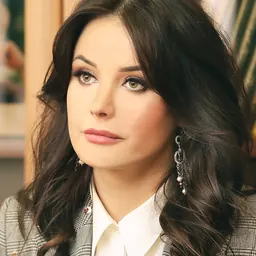

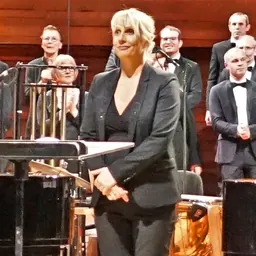


Contemporaries
People whose lives overlapped Jane Vabarna's
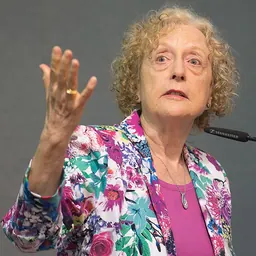

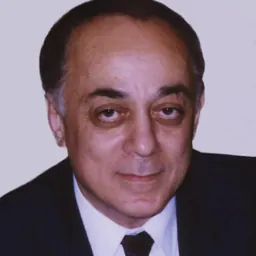


Frequently asked questions
Who is Jane Vabarna?
Estonian folk singer and cultural activist (born 1980)
When was Jane Vabarna born?
Jane Vabarna was born on 23 June 1980.
What is Jane Vabarna's occupation?
Jane Vabarna is a singer and cultural activist.
What nationality is Jane Vabarna?
Jane Vabarna is Estonian.
Sources & further reading
Cite this page
APA: Biography.guide. (2026). Jane Vabarna. https://biography.guide/jane-vabarna/
MLA: "Jane Vabarna." Biography.guide, https://biography.guide/jane-vabarna/.
Chicago: "Jane Vabarna." Biography.guide. https://biography.guide/jane-vabarna/.
Data last updated: 2026-09-26 · Spot an error? Report a correction.
Page generated 2026-09-27 05:16 UTC