
About J. D. Sumner
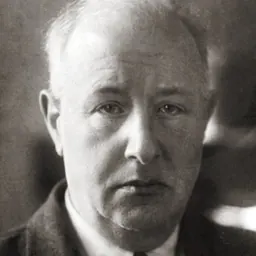
Lived 1924 – 1998 (aged 73). J. D. Sumner was an American musician, singer, songwriter and gospel singer.
John Daniel Sumner (November 19, 1924 – November 16, 1998) was an American gospel singer, songwriter, and music promoter noted for his bass voice, and his innovation in the Christian and Gospel music fields. Sumner sang in five quartets and was a member of the Blackwood Brothers during their 1950s heyday. Aside from his incredibly low bass voice, Sumner's business acumen helped promote Southern Gospel and move it into the mainstream of American culture and music during the 1950s and 1960s.
Career Sunny South Quartet and Dixie Lily Harmoneers J. D. Sumner first sang with the Sunny South Quartet from 1945 to 1948. The quartet was headquartered in Tampa, Florida, and was sponsored by the Dixie Lily Flour Company. In 1949, Sunny South manager Horace Floyd relocated the quartet to Orlando, but Sumner stayed behind in Tampa where he maintained the sponsorship and started a new group, the Dixie Lily Harmoneers, which he sang with for a few months.
Sunshine Boys Later in 1949, J. D. Sumner left the Dixie Lily Harmoneers and moved up to Atlanta, Georgia, where he joined the Sunshine Boys. They split their time between Atlanta and Wheeling, West Virginia, with the occasional trip to Hollywood to sing in Western movies. The lineup of Fred Daniel on tenor, Ed Wallace on lead, Ace Richman on baritone, and J. D. on bass continued on for five years until June 30, 1954.
Blackwood Brothers Quartet On June 30, 1954, tragedy struck the Blackwood Brothers Quartet when a disastrous test run in their private plane cost the lives of baritone R. W. Blackwood and bass singer Bill Lyles.
J. D. Sumner was immediately hired by the Blackwood Brothers to sing with them to replace Lyles. Cecil Blackwood joined at the same time to replace his brother R. W. on baritone. J. D. sang with the Blackwood Brothers Quartet from 1954 until 1965. He also established the National Quartet Convention along with James Blackwood to showcase the various quartets in the industry and the convention became an annual festival and mainstay in the industry that continues to this day. It was also during this time he met Elvis Presley. Presley lived in Memphis, Tennessee, as a young boy and would attend the all night sings at The Ellis Auditorium. Presley was an avid fan of Southern Gospel music and groups such as the Blackwood Brothers and the Statesmen Quartet. Sumner recalled that Presley had missed a concert one month, and Sumner inquired why he did not attend. Presley replied he had no money to get into the show, and Sumner said "Son you come find me when you want to get in, money or not." Sumner then told his group mates to let Presley in the back stage door so he could attend. Years later, Presley would try out for the Songfellows Quartet, a group associated with the Blackwood Brothers, though did not receive an invitation to join. Shortly thereafter, Presley recorded a demo at Sun Records in Memphis which launched his legendary rock and roll career.
The Stamps Quartet In 1962, J. D. Sumner became the manager of the Stamps Quartet, and three years later, he left the Blackwood Brothers to sing with them. Sumner was most noted as the leader of the Stamps Quartet, which became known as J. D. Sumner & the Stamps. As a teenager, Elvis Presley idolized Sumner's singing after seeing him perform with the Sunshine Boys. Presley hired Sumner & the Stamps (which included future Oak Ridge Boys' bass singer Richard Sterban) as back-up singers in 1971. The Stamps toured and recorded with Presley from 1971 until Presley's death in 1977. Sumner not only sang at Elvis' funeral but had previously sung at the funeral of Elvis' mother Gladys in 1958. J. D. and the Stamps opened for Jerry Lee Lewis in 1980 in the United Kingdom, the Stamps only overseas performance.
Masters V After the Stamps Quartet disbanded in 1980, Sumner with Hovie Lister, Jake Hess, Rosie Rozell, and James Blackwood formed the Masters V as a special consolidation of members of the Blackwood Brothers Quartet and Statesmen Quartet. The group was a showcase for Sumner's voice and compositions and won the 1981 Grammy Award for best traditional gospel performance. Sumner was credited not only for his singing, songwriting, and concert promotions, but was also noted for being the first to customize a coach bus for the entertainment business to use for music groups.
Later career with Stamps After the Masters V disbanded in 1988, Sumner reformed the Stamps Quartet and performed with the group until his death in 1998. He was often seen in his later years appearing as a guest artist on the Bill Gaither Homecoming videos. After Sumner's death, lead singer Ed Enoch, a member of the Stamps since 1969, took over the group and renamed it "Ed Enoch and the Golden Covenant." Enoch later acquired the rights and renamed the group The Stamps Quartet. For the past 15 years the group has been primarily working in Germany, with http://www.stars-in-concert.de Elvis Presley tribute, Elvis Das Musical. They have since played shows all throughout Germany, Switzerland, Austria, and even dates in Sweden, The Netherlands, Norway, and China.
Relationship with Elvis Presley Sumner met a young Elvis Presley when he was singing with the Blackwood Brothers. Presley was 19 and had shown up at a concert but did not have the money to get in; Sumner found out about it and told Presley anytime he wanted to come in to find him and he would admit him at any place they were singing. The two formed a strong relationship.
In a 1990 interview with Geraldo Rivera, Sumner contradicted many myths regarding Presley's substance abuse, namely that Presley was a heavy drinker and used illicit substances. "I knew Elvis from the time he was 14, and all I ever saw him drink was one glass of peach brandy. He (Presley) would fire you for using marijuana, he detested cocaine, and barely approved of me drinking." Sumner also stated that Elvis "had no idea that he was killing himself with his medications, he felt as long as he was doing what the Doctor was OK with, he was staying within the bounds." Presley's death hit Sumner hard and the Stamps sang at Presley's funeral and Sumner credits Presley with saving his own life by intervening with his own alcohol use. "He (Elvis) helped saved my marriage, my health, my career, and ultimately, my life."
Range and awards For 18 years, Sumner held the Guinness World Record for recording the lowest bass note. As of 2011, he has been surpassed only by the following three vocalists: Dan Britton (1984), Tim Storms (2002 and once more in 2012), and Roger Menees (2011). Sumner was inducted into the Gospel Music Hall of Fame in 1984 and the Southern Gospel Music Association Hall of Fame in 1997.
Death On November 16, 1998, three days before his 74th birthday, Sumner was found dead of a heart attack in his hotel room in Myrtle Beach, South Carolina, while on tour with the Stamps Quartet.
Other activities In 1964, Sumner founded the Gospel Music Association with James Blackwood. He was also the founding force behind the National Quartet Convention.
Songwriting Sumner wrote more than 700 songs including the following:
A Land Where Milk And Honey Flows A Million Years From Now Aloha Time Because Of Him Behind Your Tears Beyond God's Horizon Crossing Chilly Jordan Each Step I Take Eternal Paradise Everybody Ought To Love For I've Got the Lord Give Me the Strength To Stand God Made A Way He Means All the World To Me He Will See You Through Heaven For Me He's All That I Need His Love I Believe In the Old Time Way I Can Feel the Touch Of His Hand I Do Dear Jesus I Believe I Don't Mind I Found God I Know It's So I Serve A Living God I Wanna Rest I Want To Meet You Up In Heaven I Wouldn't Trade I'll Follow Where He Leads I'm Happy And Free In That Land Inside the Gate I've Got To Walk That Lonesome Road Jesus Is Mine Keep Me Listen Mammy's Boy My All I Give Never Old Man Death On That Happy Golden Shore On the Other Side Of Jordan One Day Only One Touch Paradise Valley Pay As You Go Rolling Along Some Wonderful Day Someday Soon Something Old Something New Sweet Peace Thank God For Calvary The Old Country Church The Touch Of His Hand The Victory Road There Is A Light Walking And Talking With My Lord Walking In the Light What A Glorious Morning That Will Be What A Morning When I'm Alone When the Clouds Roll By Wonderful Love Wonderful Savior
The Stamps Quartet members Line-ups 1962–1963(under the name "the Stamps Quartet") 1963–1964 1964–1965Jerry Redd – tenor Roger McDuff – lead Terry Blackwood – baritone John Hall – bass Joe Roper – pianoJim Hill – tenor Roger McDuff – lead Terry Blackwood – baritone John Hall – bass Joe Roper – pianoJim Hill – tenor Roger McDuff – lead Mylon LeFevre – baritone John Hall – bass Joe Roper – piano 1965 1965–1966(under the name "J. D. Sumner and the Stamps Quartet") 1966Jim Hill – tenor Roger McDuff – lead Mylon LeFevre – baritone John Hall – bass Chuck Ramsey – pianoJim Hill – tenor Roger McDuff – lead Jimmy Blackwood – baritone J. D. Sumner – bass Chuck Ramsey – pianoJim Hill – tenor Roger McDuff – lead Jimmy Blackwood – baritone J. D. Sumner – bass Donnie Sumner – piano 1966–1968 1968–1969 1969–1970Jim Hill – tenor Donnie Sumner – lead Jimmy Blackwood – baritone J. D. Sumner – bass Tony Brown - pianoRoy McNeal – tenor Donnie Sumner – lead Jimmy Blackwood – baritone J. D. Sumner – bass Tony Brown - pianoRoy McNeal – tenor Donnie Sumner – lead Ed Enoch – baritone J. D. Sumner – bass Tony Brown - piano 1970–1971 1971–1972 1972 Gary "Buck" Buckles – tenor Donnie Sumner – lead Ed Enoch – baritone J. D. Sumner – bass Richard Sterban – bass Tony Brown - pianoBill Baize – tenor Donnie Sumner – lead Ed Enoch – baritone J. D. Sumner – bass Richard Sterban – bass Tony Brown - pianoBill Baize – tenor Donnie Sumner – lead Ed Enoch – baritone J. D. Sumner – bass Richard Sterban – bass Linda Robinson - piano 1972–1973 1973 1973–1974Bill Baize – tenor Donnie Sumner – lead Ed Enoch – baritone J. D. Sumner – bass Richard Sterban – bass (1972) Nick Bruno - pianoBill Baize – tenor Donnie Sumner – lead Ed Enoch – baritone J. D. Sumner – bass Ed Wideman – bass Phil Johnson - pianoBill Baize – tenor Donnie Sumner – lead Ed Enoch – baritone J. D. Sumner – bass Ronnie Mabe - piano 1974 1974–1976 1976Bill Baize – tenor Ed Enoch – lead Dave Rowland – baritone J. D. Sumner – bass Ronnie Mabe - pianoBill Baize – tenor Ed Enoch – lead Ed Hill – baritone J. D. Sumner – bass Larry Strickland – bass (1976) Ronnie Mabe - pianoRon Booth – tenor Ed Enoch – lead Ed Hill – baritone J. D. Sumner – bass Larry Strickland – bass Ronnie Mabe - piano 1976 1976–1977 1977–1978Pat Brown – tenor Ed Enoch – lead Ed Hill – baritone J. D. Sumner – bass Larry Strickland – bass Ronnie Mabe - pianoGary "Buck" Buckles – tenor Ed Enoch – lead Ed Hill – baritone J. D. Sumner – bass Larry Strickland – bass Ronnie Mabe - pianoGary "Buck" Buckles – tenor Ed Enoch – lead Ed Hill – baritone J. D. Sumner – bass Larry Strickland – bass Milton Smith - piano 1978–1979 1979–1980 1980Sandra Steele – alto Gary "Buck" Buckles – tenor Ed Enoch – lead Ed Hill – baritone J. D. Sumner – bass Larry Strickland – bass Ronnie Mabe - pianoJennifer O'Brien – alto Gary "Buck" Buckles – tenor Ed Enoch – lead Richard Lee – baritone J. D. Sumner – bass Larry Strickland – bass (1979) Ronnie Mabe - pianoJennifer O’Brien – alto Ed Enoch – lead David Ponder – baritone J. D. Sumner – bass Ronnie Mabe - piano 1980–1987 1987–1988(back as "the Stamps Quartet") 1988–1989(now simply as "J. D. Sumner and the Stamps")Disbanded until 1987Mike Eldred – tenor Ed Enoch – lead Guy Penrod – baritone Larry Strickland – bass Wayne Campbell - pianoSteve Warren – tenor Jack Toney – lead Ed Hill – baritone J. D. Sumner – bass C. J. Almgren - piano 1989–1990 1990–1991 1991–1993Jerry Trammell – tenor Jack Toney – lead Ed Hill – baritone J. D. Sumner – bass C.J. Almgren - pianoJerry Trammell – tenor Ed Enoch – lead Ed Hill – baritone J. D. Sumner – bass C.J. Almgren - pianoSteve Warren – tenor Ed Enoch – lead Ed Hill – baritone J. D. Sumner – bass C. J. Almgren - piano/vocals 1993–1995 1995–1998Rick Strickland – tenor Ed Enoch – lead Ed Hill – baritone J. D. Sumner – bass C. J. Almgren - pianoRick Strickland – tenor Ed Enoch – lead Ed Hill – baritone J. D. Sumner – bass Jerry Kelso - piano
Golden Covenant members Line-ups 1999–2002(under the name "Ed Enoch and Golden Covenant") 2002 2002–2003Rick Strickland – tenor Ed Enoch – lead Ed Hill – baritone Tom Graham – bass C. J. Almgren - pianoRoyce Taylor – tenor Ed Enoch – lead Ed Hill – baritone David Hester – bass Jerry Kelso - pianoRoyce Taylor – tenor Ed Enoch – lead Ed Hill – baritone Butch Owens – bass Jerry Kelso - piano
The New Stamps Quartet members Line-ups 2003–2005(under the name "the Stamps Quartet") 2005–2006 2006Royce Taylor – tenor Ed Enoch – lead Ed Hill – baritone Butch Owens – bass Jerry Kelso - pianoRoyce Taylor – tenor Ed Enoch – lead Michael Helwig – baritone Butch Owens – bass Jerry Kelso - piano Steve Warren – tenor Ed Enoch – lead Michael Helwig – baritone Butch Owens – bass Jerry Kelso - piano 2007–2008 2008–2011 2011–2012Joseph Frech – tenor Ed Enoch – lead Michael Helwig – baritone Seth Dillehay – *Teddy Ray Bullard -- bassBrian Worley – tenor Ed Enoch – lead Terry Allen – baritone Brandon Barry – bass Joseph Frech – tenor Ed Enoch – lead Roger Robinson – baritone Brandon Barry – bass Jerry Kelso - piano 2012–2015 2015–2016 2016Joseph Frech – tenor Ed Enoch – lead Joe Combs – baritone Michael Means – bass Jerry Kelso - pianoTony Goforth – tenor Ed Enoch – lead Joe Combs – baritone Michael Means – bassTony Goforth – tenor Ed Enoch – lead Joe Combs – baritone Blake Whitlock – bass 2016–2017 2017–2022Steve Ladd – tenor Ed Enoch – lead Joe Combs – baritone Michael Means – bassBobby Davenport – tenor Ed Enoch – lead Joe Combs – baritone Michael Means – bass2022-PresentJim Worthing - tenor Ed Enoch - lead Casey Shepherd - baritone David Mann - bass
Discography
Solo albums 1965: Bass, Bass, Bass (re-issued in 1975 as the Stamps Quartet Present Their Dynamic Bass) 1968: The Many Moods of the Illustrious J. D. Sumner 1969: The Heart of a Man (re-issued in 1982 as The Masters V Present Their Majestic Bass, J. D. Sumner) 1972: The Way It Sounds Down Low 1984: Thank God for Kids 1985: An American Trilogy 1988: The Masters V Present the Superlative Bass Voice of J. D. Sumner
Compilations 1999: The Wait Is Over 2009: A Musical Biography
With the Blackwood Brothers
1956: Hymn Sing 1957: I'm Bound for That City 1958: His Hands 1959: The Stranger of Galilee 1959: Paradise Island 1959: The Blackwood Brothers 1959: Give the World a Smile 1960: Beautiful Isle of Somewhere 1960: Sunday Meetin' Time 1961: The Pearly White City 1962: Precious Memories 1962: The Blackwood Brothers Combine With the Statesmen to Wish You a Musical Merry Christmas 1962: The Keys to the Kingdom 1962: At Home with the Blackwoods 1963: The Blackwood Brothers Quartet Featuring Their Famous Bass J. D. Sumner 1963: Give Us This Day 1964: Blackwood Family Album 1964: Gloryland Jubilee 1965: Something Old – Something New 1965: Do You Thank the Lord Each Day
J.D. Sumner & the Stamps 1965: The Stamps featuring Jim Hill 1966: The Incomparable Stamps Quartet 1966: The New, Very New Sound 1967: Colorful 1968: Music, Music, Music 1969: Signs of a Good Life 1969: Songs to Remember 1970: J.D. Sumner and the Exciting Stamps Quartet 1970: Get Together 1971: Goin' Home (re-issued in 1984 as Green Grass of Home) 1971: Live In Nashville 1971: The Touch of His Hand 1972: Sweet Song of Salvation 1972: Something Special 1973: Leaning on the Arms of Jesus 1973: Sing Gospel Classics 1974: I Will Never Pass This Way Again 1974: What a Happy Time 1975: Live at Murray State 1977: Street Corner Preacher 1977: Elvis' Favorite Gospel Songs (Sung at His Funeral) 1977: Memories of our Friend, Elvis (Live) 1979: Keep Me 1980: I Believe in the Old Time Way (re-issued in 1983 as If I Can Help Somebody) 1988: Sing the Award-Winning Songs Of J. D. Sumner 1988: Today 1988: Inspirational Hymns 1988: Smile 1989: Live from the Alabama State Coliseum 1990: Victory Road 1991: Peace in the Valley 1991: Town & Country 1991: Southern Gospel Classics 1991: Light and Lively 1991: "Sing" - Cerely Yours 1992: Quartet Classics 1992: Master of the Wind 1993: 20 Southern Gospel Favorites 1994: Songs You Requested 1994: Elvis Gospel Favorites 1994: Sing Elvis Classics (all secular songs) 1995: Let's Have Church 1996: Golden Stairs 1999: The Final Sessions
Compilations 1968: Best of the Stamps 1974: Vintage Gospel (re-issued in 1983 as Daddy Sang Bass) 1974: Sing Golden Gospel Hits 1977: 16 Greats 1979: For God So Loved the World (re-issued in 1982 as He Looked Beyond My Faults) 1983: The Joy of Knowing Jesus 1992: Masters of Gospel 1995: The Best of J. D. Sumner And the Stamps 1997: Pure Gospel: 16 Vintage Gospel Standards 1999: Gospel Music Hall of Fame 2005: Treasury of Memories
With the Masters V See Masters V discography
Don’t just read it —
keep it.
Full-length biographies made to live with: read them, listen on the way to work, watch them tonight.
- E-book
- Audio
- Video
Instant download · yours to keep · every purchase keeps this site free
Important facts
People in J. D. Sumner's life
Named in this biography and alive at the same time





Related people
Same field, nearest in time

Contemporaries
People whose lives overlapped J. D. Sumner's



Frequently asked questions
Who was J. D. Sumner?
American singer (1924–1998)
When was J. D. Sumner born?
J. D. Sumner was born on 19 November 1924 in Lakeland.
When did J. D. Sumner die?
J. D. Sumner died on 16 November 1998 in Myrtle Beach.
What was J. D. Sumner's occupation?
J. D. Sumner was a musician, singer, songwriter and gospel singer.
What nationality was J. D. Sumner?
J. D. Sumner was American.
Sources & further reading
Cite this page
APA: Biography.guide. (2026). J. D. Sumner. https://biography.guide/j-d-sumner/
MLA: "J. D. Sumner." Biography.guide, https://biography.guide/j-d-sumner/.
Chicago: "J. D. Sumner." Biography.guide. https://biography.guide/j-d-sumner/.
Data last updated: 2026-09-20 · Spot an error? Report a correction.
Page generated 2026-09-27 05:23 UTC