
About Ionel Dănciulescu
Born 1976. Ionel Dănciulescu is a Romanian association football player and association football coach.
Ionel Daniel Dănciulescu (born 6 December 1976) is a Romanian former professional footballer who played as a striker, currently general manager at Liga II club CS Dinamo București.
Dănciulescu held the all-time record for the most competitive appearances in Liga I, with 515 games played over the course of twenty years, until Dan Nistor broke his record in August 2026. He is the second-highest scorer in the history of Liga I with 214 goals, only behind Dudu Georgescu who netted 252.
Club career Early years and Electroputere Craiova Dănciulescu was born on 6 December 1976 in Slatina, Romania. He began playing junior-level football in his hometown at CSȘ Slatina, alongside Claudiu Niculescu, Ionuț Luțu and Augustin Chiriță under coach Ion Pârvulescu. Over the course of two seasons with Electroputere, he scored eight goals in 31 league games, his first goal was in a 2–2 draw against Dinamo București, and he also netted a double in a 4–2 loss to Steaua București. During this period he played alongside the likes of Ștefan Nanu, Gabriel Popescu, Sabin Ilie and Claudiu Răducanu.
Dinamo București In 1995, Electroputere was relegated to the second league, Dănciulescu having offers to remain in the first division, choosing to sign with Dinamo București after being convinced by the club's officials Mircea Stoenescu and Cornel Dinu. He spent two seasons with The Red Dogs, scoring 22 goals in 64 games Divizia A games, including his first hat-trick in the competition in a 3–0 win over AS Bacău. The Turkish club paid a fee around $400,000 to Dinamo for him and Marius Coporan, because coach Marian Bondrea wanted them there, where they were teammates with another Romanian, Dănuț Moisescu. He played seven games for them and scored one goal against Beşiktaş. In the following season, he helped secure the 1998–99 Cupa României title by playing the first 51 minutes of the final against Rapid București before being substituted by coach Emerich Jenei for Ionuț Luțu ahead of the team's eventual victory in the penalty shoot-out. Dănciulescu helped the club reach the round of 32 in the 1999–2000 UEFA Cup, playing seven games in the campaign as they got past Levadia Tallinn, LASK Linz against whom he scored a goal, and West Ham United, being eliminated by Slavia Prague. He won another league title in the 2000–01 season with The Military Men, contributing with six goals scored in the 26 appearances given to him by coach Victor Pițurcă.
In the middle of the 2001–02 season, Dănciulescu had a conflict with coach Pițurcă, having to leave the team.
Return to Dinamo București He signed again with Dinamo București who paid $350,000 to Steaua for his transfer. He came back strong during the following season, scoring 16 goals in 26 league games, also helping the club win the Cupa României, being used by coach Ioan Andone for the entire match in the 1–0 victory against Național București in the final. The fans eventually accepted him as he became a top-scorer of the team.
He helped the team win The Double in the 2003–04 season, scoring 21 goals in the 29 league matches coach Andone used him, which made him the top-scorer of the season. However, Dănciulescu did not play in the 2–0 victory against Oțelul Galați in the Cupa României final as he was suspended after receiving a red card. In the same season he contributed to the elimination of Liepājas Metalurgs and Shakhtar Donetsk by scoring two goals against the first and one against the latter in the UEFA Cup. The campaign ended when they were eliminated in the second round of the competition by Spartak Moscow against whom he scored a brace in the second leg. In the first half of the following season he scored 11 goals in 15 league appearances. In the following round, his pressure led Quinton Fortune to score an own goal in the eventual 5–1 aggregate loss to Manchester United. These performances and his double scored for the national team in the 5–1 victory in the friendly against Germany, earned Dănciulescu the 2004 Romanian Footballer of the Year award.
In the 2006–07 season, Dănciulescu was the team's second top-scorer after Claudiu Niculescu as he netted 15 goals in the 31 appearances given to him by coach Mircea Rednic, including a spectacular scissors kick goal in a 4–2 victory in a derby against Steaua, helping the team win the title. In the first half of that season, Dănciulescu, Niculescu, and Ionel Ganea were part of a rotation system imposed by Rednic, as they were all prolific strikers but only two could start in any given match. He also appeared in 12 matches in which he scored five goals, as the club reached the round of 32 in the 2006–07 UEFA Cup where they lost with 3–1 on aggregate to Benfica. In the following season, Dinamo had the objective of reaching the Champions League group stage, Dănciulescu managing to score a goal with a header after a pass from Cristian Pulhac in the 1–1 draw from the first leg of the third qualifying round against Lazio Roma, but they did not qualify, losing with 3–1 the second leg. Dănciulescu formed a partnership in Dinamo's offence with Florin Bratu, and the Romanian press called them "BD in action", a nickname inspired by the first letters of their family names and the Romanian movie "BD in action". By the end of the 2007–08 season the team had no chance of winning the title, but rivals Steaua were in first position, having scheduled a match on Dinamo's ground. The match ended with a 2–1 victory for Dinamo with Dănciulescu and Bratu scoring the goals. Dănciulescu helped the club achieve what was dubbed "The wonder from Liberec" by winning the away game 3–0 against Slovan Liberec to force a penalty shoot-out after losing the first leg by the same score, ultimately qualifying for the 2009–10 Europa League group stage. However, shortly afterwards he left Dinamo to go play for Hércules Alicante in Segunda División as he was not getting along with coach Dario Bonetti. His last game was a 1–0 away victory against Steaua after which he was applauded by the 10,000 people who were at the stadium, including Steaua's fans.
Shandong Luneng In 2005, Dinamo loaned him out to Chinese side Shandong Luneng for $500,000, who paid Dănciulescu a salary of $350,000 for 11 months. He worked with coach Ljubiša Tumbaković, scoring 10 goals in 26 league games which helped the team finish the championship in third place, and also they reached the Chinese FA Cup final where he played the entire match in the 1–0 loss to Dalian Shide. During the same period, the team managed to reach the AFC Champions League quarter-finals with him netting a brace in a 4–1 win over BEC Tero in the group stage.
Hércules In August 2009, Dănciulescu signed a two-year contract with Spanish side Hércules Alicante in the Segunda División which paid Dinamo around €400,000, as he was wanted there by his former coach from The Red Dogs, Esteban Vigo. Dănciulescu scored 10 goals in 25 league games which helped Hércules earn the second place at the end of the championship, thus promoting to La Liga after a 13 year-break. He also scored two goals in the Spanish Cup against SD Huesca and Almería.
Third spell at Dinamo București After only one year with Hércules, his contract was terminated, so Dănciulescu came back to Dinamo in July 2010, where he reunited with coach Ioan Andone. About three weeks later, he netted his 200th goal, during a win over Ceahlăul. He helped the team win the 2011–12 Cupa României, with coach Dario Bonetti using him as a starter until the 71st minute when Cătălin Munteanu replaced him in the 1–0 victory in the final against Rapid București. On 16 March 2013, after playing in a match against Petrolul, Dănciulescu became the first footballer that reached 500 appearances in the Romanian top-league.
Dănciulescu made his last Liga I appearance on 6 October 2013, exactly 20 years after he made his debut, playing for Dinamo in a 1–1 draw against Ceahlăul. During his time with the under-21 side, he was part of the team that managed a first-ever qualification to a European Championship in 1998, which Romania subsequently hosted. In the final tournament that was composed of eight teams, coach Victor Pițurcă used him in all three games which were losses to Netherlands, Germany and Russia, as they finished in last place. However, he was not in Pițurcă's plans, and was never called up by him again due to a dispute they had when they worked at Steaua.
Managerial career On 13 November 2014, following Flavius Stoican's departure from Dinamo București, the club's officials appointed Dănciulescu to lead the team in the remaining four games until the end of the first half of the season. After a 6–1 loss to Astra Giurgiu, he announced that he was not interested in continuing to coach the team. However, he stayed for the final game of the year when the team reached the Cupa Ligii semi-finals after eliminating Universitatea Cluj at the penalty shoot-out.
Personal life In 2025, Dănciulescu was named Honorary Citizen of Slatina.
Career statistics Club
Scores and results list Romania's goal tally first, score column indicates score after each Dănciulescu goal.
Honours Steaua București Divizia A: 1997–98, 2000–01 Cupa României: 1998–99 Supercupa României: 1998
Dinamo București Liga I: 2001–02, 2003–04, 2006–07 Cupa României: 2002–03, 2003–04, 2011–12 Supercupa României: 2012
Shandong Luneng Chinese FA Cup runner-up: 2005
Individual Liga I top-scorer: 2003–04, 2007–08 Gazeta Sporturilor Romanian Footballer of the Year: 2004
Don’t just read it —
keep it.
Full-length biographies made to live with: read them, listen on the way to work, watch them tonight.
- E-book
- Audio
- Video
Instant download · yours to keep · every purchase keeps this site free
Important facts
People in Ionel Dănciulescu's life
Named in this biography and alive at the same time
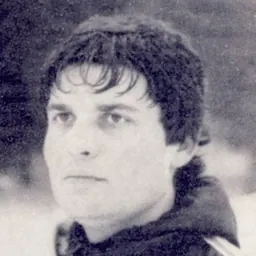


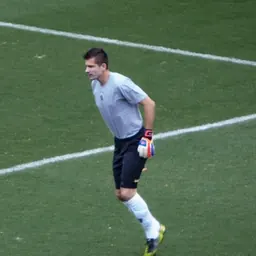



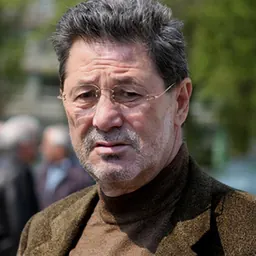
Related people
Same field, nearest in time
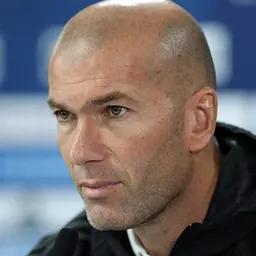





Contemporaries
People whose lives overlapped Ionel Dănciulescu's



Frequently asked questions
Who is Ionel Dănciulescu?
Romanian footballer
When was Ionel Dănciulescu born?
Ionel Dănciulescu was born on 6 December 1976 in Slatina.
What is Ionel Dănciulescu's occupation?
Ionel Dănciulescu is an association football player and association football coach.
What nationality is Ionel Dănciulescu?
Ionel Dănciulescu is Romanian.
Sources & further reading
· Wikipedia: Ionel Dănciulescu
Cite this page
APA: Biography.guide. (2026). Ionel Dănciulescu. https://biography.guide/ionel-danciulescu/
MLA: "Ionel Dănciulescu." Biography.guide, https://biography.guide/ionel-danciulescu/.
Chicago: "Ionel Dănciulescu." Biography.guide. https://biography.guide/ionel-danciulescu/.
Data last updated: 2026-09-20 · Spot an error? Report a correction.
Page generated 2026-09-27 05:22 UTC