
About Ibbi-Sin
Born 2050 BC. Ibbi-Sin was a monarch.
Ibbi-Sin (, ; died 2004 BC) was king of Sumer and Akkad and last king of the Ur III dynasty, and reigned c. 2028–2004 BC (Middle chronology). During his reign, the Sumerian empire was attacked repeatedly by Amorites. As faith in Ibbi-Sin's leadership failed, Elam declared its independence and began to raid as well.
Ibbi-Sin ordered fortifications built at the important cities of Ur and Nippur, but these efforts were not enough to stop the raids or keep the empire unified. Cities throughout Ibbi-Sin's empire fell away from a king who could not protect them, notably Isin under the Amorite ruler Ishbi-Erra. Ibbi-Sin was, by the end of his kingship, left with only the city of Ur. In 2004 or 1940 BC, Elam, along with "tribesmen from the region of Shimashki in the Zagros Mountains" sacked Ur and took Ibbi-Sin captive; he was taken to the city of Elam where he was imprisoned and, at an unknown date, died.
Amorite invasion The Amorites were considered a backward people by Mesopotamian standards; Ibbi-Sin's 17th year was officially named "Year the Amorites, the powerful south wind who, from the remote past, have not known cities, submitted to Ibbi-Sin the king of Ur." However, despite his father Shu-Sin having built a "wall of Martu" across Mesopotamia against Amorite incursions, these were penetrated early in Ibbi-Sin's reign.
Scholars have suggested that, by the reign of Ibbi-Sin, the kingdom was already in decline due to long-term drought – in fact, the same drought that helped to take down Akkad c. 2193 BC may have been responsible for the fall of Ur III.
Studies of Persian Gulf sediments indicate that the stream flow of the Tigris and Euphrates was very low around 2100–2000 BC. [...] Any damage to the agricultural system by enemy raids, bureaucratic mismanagement, or an inattentive ruler would result in food shortages
In years seven and eight of Ibbi-Sin's kingship, the price of grain increased to 60 times the norm, which means that the success of the Amorites in disrupting the kingdom of Ur is, at least in part, a product of attacks on the agricultural and irrigation systems.
Invasion by Elam These attacks brought famine and caused an economic collapse in the kingdom, paving the way for Elam under Kindattu to strike into Ur and capture the king. The Lament for Sumer and Ur describe the fall of Ur and the fate of Ibbi-Sin:
Year names All the year names of Ibbi-Sin are known, documenting the major events of his reign. The main year names are:
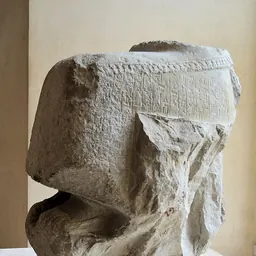
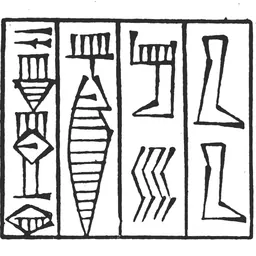
Inscriptions
Don’t just read it —
keep it.
Full-length biographies made to live with: read them, listen on the way to work, watch them tonight.
- E-book
- Audio
- Video
Instant download · yours to keep · every purchase keeps this site free
Important facts
Family & relationships
Related people
Same field, nearest in time


Frequently asked questions
Who was Ibbi-Sin?
King of Sumer and Akkad (2028–2004 AEC)
When was Ibbi-Sin born?
Ibbi-Sin was born in 2050 BC.
What was Ibbi-Sin's occupation?
Ibbi-Sin was a monarch.
Sources & further reading
Cite this page
APA: Biography.guide. (2026). Ibbi-Sin. https://biography.guide/ibbi-sin/
MLA: "Ibbi-Sin." Biography.guide, https://biography.guide/ibbi-sin/.
Chicago: "Ibbi-Sin." Biography.guide. https://biography.guide/ibbi-sin/.
Data last updated: 2026-09-20 · Spot an error? Report a correction.
Page generated 2026-09-27 05:18 UTC