
About Hugo Spatz
Lived 1888 – 1969 (aged 80). Hugo Spatz was a German military physician, neurologist, physician and psychiatrist.
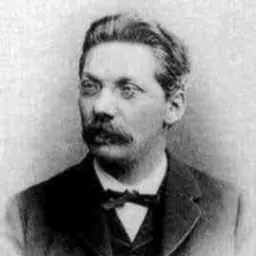
Hugo Spatz (2 September 1888 – 27 January 1969) was a German neuropathologist most known for conducting research on the brains of executed prisoners and children during the Holocaust. In 1937, he was appointed director of the Kaiser Wilhelm Institute for Brain Research. He was a member of the Nazi Party, and admitted to knowingly performing much of his controversial research on the brains of executed prisoners. Along with Julius Hallervorden, he is credited with the discovery of Hallervorden-Spatz syndrome (now referred to as Pantothenate kinase-associated neurodegeneration). Hugo Spatz's Oberarzt (senior resident or attending physician), 1937–1939, Richard Lindenberg, became chief neuropathologist of the US state of Maryland.
Don’t just read it —
keep it.
Full-length biographies made to live with: read them, listen on the way to work, watch them tonight.
- E-book
- Audio
- Video
Instant download · yours to keep · every purchase keeps this site free
Important facts
People in Hugo Spatz's life
Named in this biography and alive at the same time



Related people
Same field, nearest in time
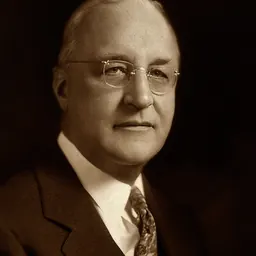
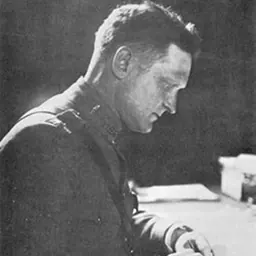

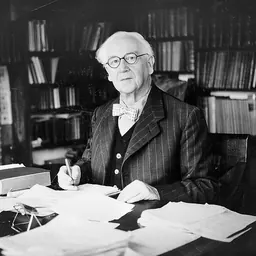


Contemporaries
People whose lives overlapped Hugo Spatz's

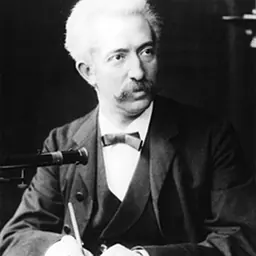


Frequently asked questions
Who was Hugo Spatz?
German neuropathologist (1888–1969)
When was Hugo Spatz born?
Hugo Spatz was born on 2 September 1888 in Munich.
When did Hugo Spatz die?
Hugo Spatz died on 27 January 1969 in Frankfurt.
What was Hugo Spatz's occupation?
Hugo Spatz was a military physician, neurologist, physician and psychiatrist.
What nationality was Hugo Spatz?
Hugo Spatz was German.
Sources & further reading
Cite this page
APA: Biography.guide. (2026). Hugo Spatz. https://biography.guide/hugo-spatz/
MLA: "Hugo Spatz." Biography.guide, https://biography.guide/hugo-spatz/.
Chicago: "Hugo Spatz." Biography.guide. https://biography.guide/hugo-spatz/.
Data last updated: 2026-09-20 · Spot an error? Report a correction.
Page generated 2026-09-27 05:04 UTC