
Hohori
One of the Five Founding Ministers of Later Jin (Qing) dynasty; belonging to the Manchu Plain Red Banner
About Hohori
Lived 1561 – 1624 (aged 62–63). Hohori was a Chinese.
Hohori (1561-1624), a member of Donggo clan and Plain Red Banner, was the chieftain of the Donggo tribe who later joined Nurhaci's forces and became one of his most important ministers and generals during the rise of Jianzhou Jurchen and founding of Later Jin Khanate.
Biography
Hohori's ancestors were members of Gioro clan in Warka but later relocated to Donggo thus changed its clan and surname. During the reign of Hohori's grandfather, Donggo tribe increased its military strength and became a rival who frequently fought against Aisin Gioro clan supported by the Hada tribal nation at the moment.
Hohori became the Donggo chieftain when Nurhaci first launched his campaign. Nurhaci heard of Hohori's reputation and the strength of Donggo troops and sought to win him over with exceptional courtesy. In 1588, Hohori led his people to join Nurhaci. Nurhaci married his eldest daughter to him. However, Hohori's original wife was unhappy about the arranged marriage. She led her clansmen and troops attached to demanded battle with Hohori, but Nurhaci personally persuaded her to retreat.
When the Eight Banners system was first created, Hohori and his followers were incorporated into the Plain Red Banner, where he was appointed Banner commander. Hohori distinguished himself in Nurhaci’s campaigns against the Ula, Woji, and Ming forces, and was particularly instrumental in the conquest of Ula. In 1616, he was appointed one of the Five Founding Ministers of the Later Jin Khanate (後金開國五大臣). He subsequently participated in the victories at Sarhū and the captures of Shenyang and Liaoyang, for which he was awarded the hereditary rank of Viscount Third-Class (三等子爵).
He died in 1624 at the age of sixty-four. Nurhaci deeply mourned his death, as Hohori was the last one alive among the Five Founding Ministers, and regarding Hohori as one of his closest companions. He was later posthumously elevated to Duke Third Class in Hong Taiji's reign, granted the posthumous name Wenshun (溫順, "Gentle and Dutiful"), and further honored with the additional title Yongqin (勇勤, “Brave and Diligent”) in Yongzheng era.
Citation
Don’t just read it —
keep it.
Full-length biographies made to live with: read them, listen on the way to work, watch them tonight.
- E-book
- Audio
- Video
Instant download · yours to keep · every purchase keeps this site free
Important facts
People in Hohori's life
Named in this biography and alive at the same time
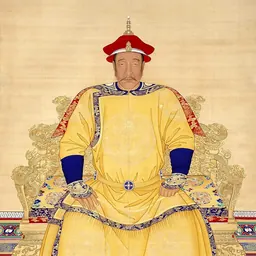
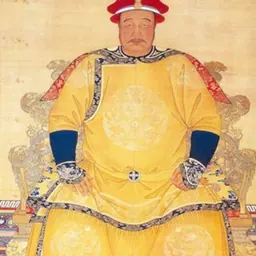
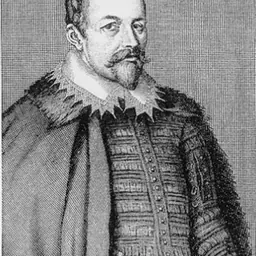
Contemporaries
People whose lives overlapped Hohori's





Frequently asked questions
Who was Hohori?
One of the Five Founding Ministers of Later Jin (Qing) dynasty; belonging to the Manchu Plain Red Banner
When was Hohori born?
Hohori was born in 1561.
When did Hohori die?
Hohori died in 1624.
What nationality was Hohori?
Hohori was Chinese.
Sources & further reading
Cite this page
APA: Biography.guide. (2026). Hohori. https://biography.guide/hohori/
MLA: "Hohori." Biography.guide, https://biography.guide/hohori/.
Chicago: "Hohori." Biography.guide. https://biography.guide/hohori/.
Data last updated: 2026-09-20 · Spot an error? Report a correction.
Page generated 2026-09-27 05:02 UTC