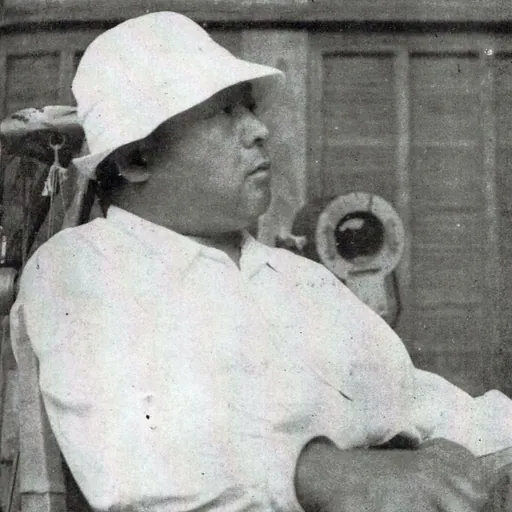
About Hiroshi Shimizu
Lived 1903 – 1966 (aged 63). Hiroshi Shimizu was a Japanese film director, screenwriter, director and film editing.
was a Japanese film director, who directed over 160 films during his career.
Biography Early years Shimizu was born in Shizuoka Prefecture and attended Hokkaidō University, but left before graduating. He joined the Shochiku film studio in Tokyo in 1921, making his directorial debut in 1924 at the age of just 21. The majority of his silent films are now considered lost.
In the 1930s, Shimizu increasingly took advantage of shooting on location For critic Chris Fujiwara, this "unpredictability and plotlessness", in combination with the extensive use of a mobile camera, gives Shimizu's films of this era a "strikingly modern quality".
Shimizu also explored themes of maternal self-sacrifice and fallen female roles, common themes in Japanese cinema at the time. His experiences with child orphans after World War II led to the film Children of the Beehive (1948), independently produced by the director himself,
Films like Children in the Wind and Ornamental Hairpin have also, in retrospect, been interpreted as Shimizu's attempts to escape the realities of wartime Japan (one critic even attacked Ornamental Hairpin for wasting valuable film stock). The pressure put on Shimizu by the authorities to contribute to the war effort resulted in films like Introspection Tower (also titled The Inspection Tower, 1941) and Sayon's Bell (1943).
Shimizu lived with actress Kinuyo Tanaka from 1927 to 1929 after she appeared in a number of his films. They separated in 1929, although she starred in some of his later films. Shimizu died of a heart attack on 23 June 1966 at the age of 63, seven years after directing his last film. the Museum of Modern Art, the Berlin International Film Festival, and other institutions and festivals.
In 2008, Shochiku released two box sets which include eight of his films (Region 2 format, with both Japanese and English subtitles). The first box set contained the films Japanese Girls at the Harbor, Mr. Thank You, The Masseurs and a Woman and Ornamental Hairpin. The second box set contained Children in the Wind, Nobuko, Introspection Tower and Four Seasons of Children. In 2009, a Criterion Collection box set of four of his films (corresponding to the first Shochiku set) was released in the Region 1 format.
Don’t just read it —
keep it.
Full-length biographies made to live with: read them, listen on the way to work, watch them tonight.
- E-book
- Audio
- Video
Instant download · yours to keep · every purchase keeps this site free
Important facts
People in Hiroshi Shimizu's life
Named in this biography and alive at the same time
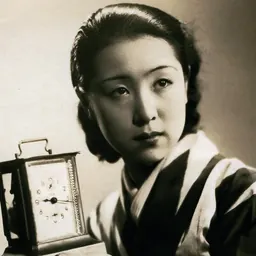
Related people
Same field, nearest in time
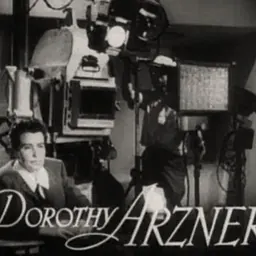

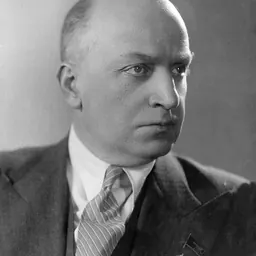


Contemporaries
People whose lives overlapped Hiroshi Shimizu's

Frequently asked questions
Who was Hiroshi Shimizu?
Japanese film director (1903-1966)
When was Hiroshi Shimizu born?
Hiroshi Shimizu was born on 28 March 1903 in Hamamatsu.
When did Hiroshi Shimizu die?
Hiroshi Shimizu died on 23 June 1966 in Kyoto.
What was Hiroshi Shimizu's occupation?
Hiroshi Shimizu was a film director, screenwriter, director and film editing.
What nationality was Hiroshi Shimizu?
Hiroshi Shimizu was Japanese.
Sources & further reading
· DBpedia: Hiroshi Shimizu (director)
Cite this page
APA: Biography.guide. (2026). Hiroshi Shimizu. https://biography.guide/hiroshi-shimizu-film-director/
MLA: "Hiroshi Shimizu." Biography.guide, https://biography.guide/hiroshi-shimizu-film-director/.
Chicago: "Hiroshi Shimizu." Biography.guide. https://biography.guide/hiroshi-shimizu-film-director/.
Data last updated: 2026-09-24 · Spot an error? Report a correction.
Portrait: Wikimedia Commons · author & licence
Page generated 2026-09-27 05:09 UTC