
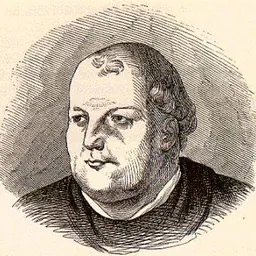
Hermann Schottenius
16th-century schoolmaster and university lecturer in Cologne
About Hermann Schottenius
Lived 1503 – 1527 (aged 23–24). Hermann Schottenius was a writer, professor and university teacher.
Hermann Schotten (Schotten's Latinized name is usually spelled with one "n" (Schottenius), but it is sometimes spelled with two "n"s (Schottennius).) His real surname was probably Ortman, but he adopted a latinised toponymic surname, like many other contemporary German humanists.
In 1530, Schotten became a lector in the and then pursued an academic career until his death in 1546. Reprinted 57 different times before the end of the 16th century Recent bilingual edition (2007) in Latin and English: Hermannus Schotennius Hessus. Confabulationes tironum litterariorum (Cologne, 1525). Ed. by Peter Macardle. Durham: Durham Modern Languages Series, 2007. 1526 (Banquets) is a colloquy focused on social etiquette and table manners within the context of 16th-century life. It contains guidelines for behavior during a meal, such as how to sit, handle cutlery, and engage in polite conversation. It reflects the "Civilizing Process" typical of Northern Humanism. Added to later printings of the Confabulationes. It is also included in Macardle's 2007 bilingual Latin/English edition of . 1541: , a guide to good conduct and moral education. Published several times in Kraków, Poland, and elsewhere Full title: (which means "An honest life or a life of virtue: How each should live, in every age, in every time, in any place, towards god and men") 1526: (Martial or Warlike Game) Full title: (which translates to "The Martial or Warlike Game, containing a representation, the origin, the story, and the end of the conflict held between the peasants and the princes of Eastern Germany in the year 1525.") It was performed by Schottenius and his students during Shrovetide in 1526. Full title: (which translates to "Philosophical Colloquies: both consolatory and exhortatory, teaching the manner of enduring both forms of fortune [good and bad], according to the counsels of Seneca and Franciscus Petrarcha; so that inexperienced youth may not behave rashly, nor exult more than is right in prosperity, nor lose heart in adversity") Full title: (which translates to "The Goal of Literary Study: and how all kinds of sciences should be directed toward it, as well as why literary labor was invented; and how far they wander from the truth—by the whole width of the sky—who now abandon themselves from letters.") A pedagogical and philosophical defense of new Humanist education, versus traditional medieval "scholastic" methods. Schotten argues that the ultimate goal of all intellectual pursuits is rooted in "Literae," the study of classical literature and grammar. Various fields of knowledge should not be studied in isolation but should be led toward a unified literary foundation to create a well-rounded, ethical individual.
Don’t just read it —
keep it.
Full-length biographies made to live with: read them, listen on the way to work, watch them tonight.
- E-book
- Audio
- Video
Instant download · yours to keep · every purchase keeps this site free
Important facts
Related people
Same field, nearest in time
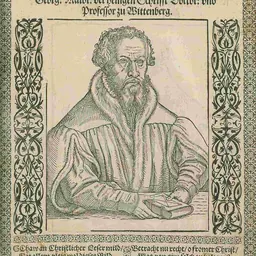
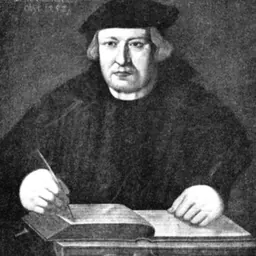


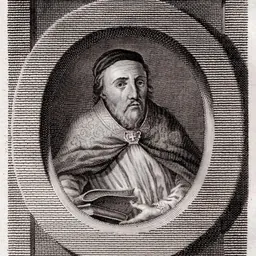

Contemporaries
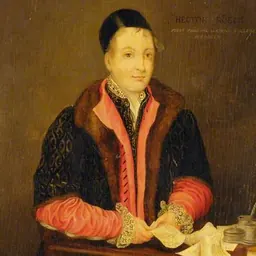
People whose lives overlapped Hermann Schottenius's



Frequently asked questions
Who was Hermann Schottenius?
16th-century schoolmaster and university lecturer in Cologne
When was Hermann Schottenius born?
Hermann Schottenius was born in 1503 in Schotten.
When did Hermann Schottenius die?
Hermann Schottenius died in 1527.
What was Hermann Schottenius's occupation?
Hermann Schottenius was a writer, professor and university teacher.
Sources & further reading
· Wikipedia: Hermann Schottenius
Cite this page
APA: Biography.guide. (2026). Hermann Schottenius. https://biography.guide/hermann-schottenius/
MLA: "Hermann Schottenius." Biography.guide, https://biography.guide/hermann-schottenius/.
Chicago: "Hermann Schottenius." Biography.guide. https://biography.guide/hermann-schottenius/.
Data last updated: 2026-09-20 · Spot an error? Report a correction.
Page generated 2026-09-27 04:59 UTC