
Hashmat Ali Khan
Indian Islamic scholar
About Hashmat Ali Khan
Lived 1902 – 1960 (aged 57–58).
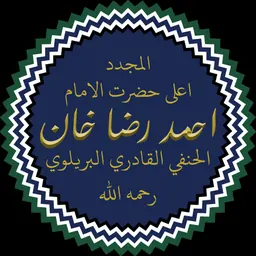
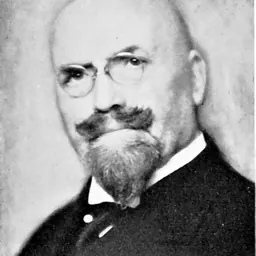
Muhammad Hashmat Ali Khan Qadri Lucknowi (19023 July 1960) popularly known as Sher Beesha-e-Ahle Sunnat or Munazir-e-Ahle Sunnat was an Indian Islamic scholar, cleric, author and writer belonging to the Barelvi movement of Sunni Islam. He was the spiritual successor of Ahmed Raza Khan Barelvi in the Qadiriyya-Razaviyya order of Sufism. He was against the ideology of Muhammad Ali Jinnah and he had written a book against the Two-nation theory which is still banned in Pakistan. At the age of 12, he mastered Qirat-e-Saba, which refers to the seven canonical recitations of the Quran.
At the young age of 14, he was sent to Dar al-Uloom Manzar-e-Islam in Bareilly to study under the tutelage of the scholars of his time. There, he became a disciple of Ahmed Raza Khan Barelvi, an Islamic scholar and the founder of Barelvi movement under Sunni Islam. Barelvi paid special attention to the Hashmat Ali.
He also studied under Amjad Ali Aazmi, and Hamid Raza Khan, the elder son of Ahmed Raza Khan Barelvi. His educational journey was marked by his excellence in learning and debating, which earned him the title of "Abul Fatah" from Ahmed Raza Khan.
His early life set the foundation for his later achievements as a lecturer, Mufti, and Principal in various religious institutions, and as a Khateeb at the Zeenat-ul-Masjid in Gojra Waala, Delhi.
Life
Spiritual Journey
At 14, he took Bai’at (pledge) at the hands of Ahmed Raza Khan Barelvi. Earned the title of "Abul Fatah" from Ahmed Raza Khan Barelvi. Became a lecturer, Mufti, and Principal at various religious institutions. Served as a Khateeb at Zeenat-ul-Masjid in Gojra Waala.
Teachings and Legacy:
Known for his oratory skills, deeply drowned in the love of the Holy Prophet Muhammad. Warned believers against the Deobandi movement and Wahhabism and called them as "Thieves of Imaan" to protect their faith. His tongue was described as a "naked sword," cutting through false beliefs with bright proofs. His words also offered comfort and guidance to true believers.
Views on Two-nation theory He was against the Two-nation theory given by Muhammad Ali Jinnah. In 1939, Hashmat Ali Khan and Syed Shah Aulad-e-Rasool Muhammad Miyan (1892-1955) was against the creation of Pakistan and challenged the Muslim League's assertion as the sole spokesperson of Indian Muslims.
Jamat-e-Ahle Sunnat Hashmat Ali Khan along with his contemporary Barelvi ulema such as Maulana Ghulam Jilani, Maulana Abdul Qadir, Maulana Abdul Rahman, Maulana Shariful Haq Amjadi had opposed the Two-nation theory and came forward to form Jamat-e-Ahle Sunnat, an organization formed to oppose the creation of Pakistan. It was centred at the Khanquah-e-Barakatiya of Marehra, Etah district. The organization published Muslim League Ki Zarri Bakhiya and Ehkam-e-Shariat Bar Humzaban-e-League-e-Ahle Bid'at, two treatises of Fatwas issued by Maulana Syed Shah Aulad-e-Rasool Muhammad Miyan.
Works
Fatawa Hashmatia, a collection of fatwas addressing various aspects of Islamic jurisprudence and belief. Sawarim-ul-Hindiya, a collection of Fatwas against the Imams of Deobandi movement Munazra-e-Sambhal Munazra-e-Punjab Al-Qilada-tul-Tayyab
Don’t just read it —
keep it.
Full-length biographies made to live with: read them, listen on the way to work, watch them tonight.
- E-book
- Audio
- Video
Instant download · yours to keep · every purchase keeps this site free
Important facts
People in Hashmat Ali Khan's life
Named in this biography and alive at the same time


Contemporaries
People whose lives overlapped Hashmat Ali Khan's




Frequently asked questions
Who was Hashmat Ali Khan?
Indian Islamic scholar (1902–1960)
When was Hashmat Ali Khan born?
Hashmat Ali Khan was born in 1902.
When did Hashmat Ali Khan die?
Hashmat Ali Khan died in 1960.
Sources & further reading
Cite this page
APA: Biography.guide. (2026). Hashmat Ali Khan. https://biography.guide/hashmat-ali-khan/
MLA: "Hashmat Ali Khan." Biography.guide, https://biography.guide/hashmat-ali-khan/.
Chicago: "Hashmat Ali Khan." Biography.guide. https://biography.guide/hashmat-ali-khan/.
Data last updated: 2026-09-20 · Spot an error? Report a correction.
Page generated 2026-09-27 05:10 UTC