
Harry C. Butcher
American broadcaster and navy officer
About Harry C. Butcher
Lived 1901 – 1985 (aged 83). Harry C. Butcher was an American military officer, diarist, war correspondent, journalist and news presenter.
Harry Cecil Butcher (November 1, 1901 – April 20, 1985) was an American radio broadcaster who served during World War II as a naval aide to General Dwight D. Eisenhower from 1942 to 1945.
Early life Butcher was born in Springville, Iowa, on November 1, 1901.
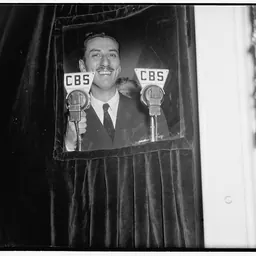
Following his graduation from Iowa State College, in 1929 Butcher began a career in radio broadcasting. He opened the Washington, D.C. office of CBS and served as its director until 1932. Beginning in 1932, he was the manager, and later vice-president, of the CBS Radio Network's station in Washington, D.C. station WJSV. While there, Butcher coined a term for President Franklin Roosevelt's radio speeches to the American public, used by Robert Trout introducing the president's address on March 12, 1933, and again by Butcher written in a press release, referring to the May 7, 1933, address as a "fireside chat".
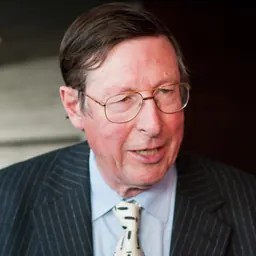
Military career Signature of surrender on 7 May 1945 at Reims, France, including Harry C. Butcher standing in the background During his tenure at WJSV, Butcher was commissioned a lieutenant commander in the United States Navy Reserve (USNR) on September 16, 1939. From 1942 to 1945, Butcher served as a naval aide to General Dwight D. Eisenhower. On May 1, 1943, Butcher was promoted to the rank of commander in the USNR. On November 1, 1944 he was promoted to the temporary rank of captain. Following an order given to him by Eisenhower, Butcher kept a diary of his and Eisenhower's wartime activities. The diary was published in 1946 under the title My Three Years with Eisenhower. Time found it to be "good-natured, modest, knowledgeable reporting. It makes few judgments and adds only anecdotes—not insights—to the U.S. knowledge of Eisenhower." It also led to historian Max Hastings referring to him as "the embodiment of all gossip-ridden staff officers". It was Butcher who preserved the written statement that Eisenhower had prepared in the event that the D-Day invasions failed.
Later life Butcher returned to the broadcasting world following the end of World War II. From 1946 to the 1970s, Butcher owned the radio station KIST in Santa Barbara, California. He also served as president of Santa Barbara's cable TV corporation and as a radio/television consultant.
Personal life Butcher was the father of Beverly Byron (1932–2025), a U.S. congresswoman.
On April 20, 1985, Butcher died in Santa Barbara, California, United States.
Don’t just read it —
keep it.
Full-length biographies made to live with: read them, listen on the way to work, watch them tonight.
- E-book
- Audio
- Video
Instant download · yours to keep · every purchase keeps this site free
Important facts
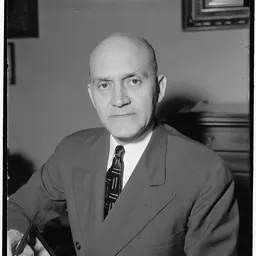
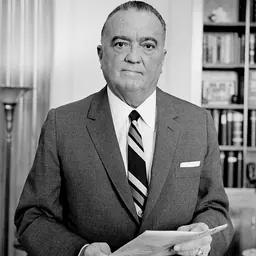
People in Harry C. Butcher's life
Named in this biography and alive at the same time



Related people
Same field, nearest in time


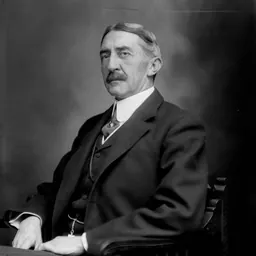
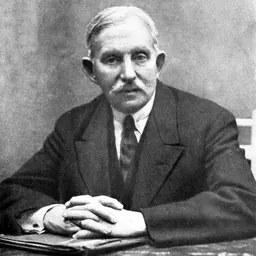
Contemporaries
People whose lives overlapped Harry C. Butcher's


Frequently asked questions
Who was Harry C. Butcher?
American broadcaster and navy officer (1901-1985)
When was Harry C. Butcher born?
Harry C. Butcher was born on 1 November 1901 in Iowa.
When did Harry C. Butcher die?
Harry C. Butcher died on 20 April 1985 in Santa Barbara.
What was Harry C. Butcher's occupation?
Harry C. Butcher was a military officer, diarist, war correspondent, journalist and news presenter.
What nationality was Harry C. Butcher?
Harry C. Butcher was American.
Sources & further reading
Cite this page
APA: Biography.guide. (2026). Harry C. Butcher. https://biography.guide/harry-c-butcher/
MLA: "Harry C. Butcher." Biography.guide, https://biography.guide/harry-c-butcher/.
Chicago: "Harry C. Butcher." Biography.guide. https://biography.guide/harry-c-butcher/.
Data last updated: 2026-09-26 · Spot an error? Report a correction.
Page generated 2026-09-27 05:14 UTC