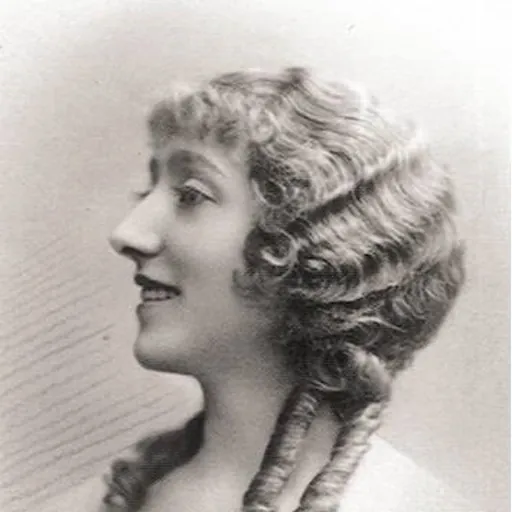
About Germaine Cernay
Lived 1900 – 1943 (aged 42–43). Germaine Cernay was a French opera singer.
Germaine Pointu (28 April 1900 in Le Havre – 19 September 1943 in Paris), known as Germaine Cernay, was a French mezzo-soprano who was active both in the opera house and on the concert platform.
Life and career Cernay studied the piano before entering the Conservatoire de Paris for vocal studies under Albers and Engel, winning first prizes in 1925.
She made her debut at the Opéra-Comique in Paris on 16 May 1927 as la Bossue in the Paris premiere of Alfano's Risurrezione (in French). Other creations at the Salle Favart were Floriane in Éros Vainqueur (de Bréville), la Tour in Le Fou de la Dame (Delannoy), a fairy in Riquet a la Houppe (Hue), and Léonor in Le Sicilien (Letorey).
Cernay was one of the best-known concert altos of her generation and highly considered as a Bach interpreter. She retired in 1942 to become a nun. A year later she died of status epilepticus.
Discography Cernay's many recordings, made from February 1928 to June 1942, for Odéon and Columbia, include: BachChristmas Oratorio: "Bereite dich, Zion" (cantata for the 14th Sunday after Trinity) Berlioz"L'Absence"; La Damnation de Faust: "Il était un roi de Thulé", "D'amour l'ardente flamme" BizetCarmen: "L'amour est enfant de bohême", Quintet, Seguidilla, "Les tringles des sistres tintaient", "Mêlons ! Coupons !"; complete opera (from radio broadcast, title role) BorodinPrince Igor: "Lentement baisse le jour", "Sur la terre lasse" Brahmsop. 91 no. 1 and 2 CharpentierLouise: "L'enfant serait sage", "Ah ! N'est-ce plus mon enfant", "Ô jolie", "Il va venir bientôt", "Ô mon enfant, o ma Louise" Dandelot"Chanson de Bilitis" DebussyPelléas et Mélisande (as Geneviève); L'Enfant prodigue: Azaël aria and récit DelibesLakmé: "Sous le dôme épais" (with soprano Solange Delmas) Duparc"Le Manoir de Rosemonde" (with pianist Gustave Cloëz) Fauré"En Prière", "Un Parfum impérissable", "Pleurs d'or", op. 72, Tarantella, op. 10 no. 2, "Salve Regina"; Pénélope: "C'est sur ce banc", "Je l'attends", "Minerve le protège"; Cantique de Jean Racine GanneLes Saltimbanques: "C'est l'amour" GodardJocelyn: "Berceuse" GounodFaust: "Faites-lui mes aveux"; Mireille: "Vincenette, votre âge" GriegPeer Gynt: "Solvejgs sang" Hüe"Nous deux" (with pianist Gustave Cloëz) LaloLe Roi d'Ys: "Air de Margared", "Margared, ô ma sœur" (with soprano Bernadette Delprat) LecocqLa Fille de Madame Angot: "Voyons, monsieur, raisonnons politique"; "Des Lettres" (with tenor Victor Pujol) LehárThe Merry Widow: "Chanson de Vylja", "Je ne connais votre Jeanette", "Heure exquise", Act 1 final, "C'est la valse" MascagniCavalleria rusticana (as Santuzza; with tenor Gaston Micheletti, baritone Arthur Endrèze, soprano Alice Hena and contralto Mady Arty) MassenetSapho: "Air de la Lampe"; Werther (as Charlotte): "Prière", "Air des lettres", "Oui, c'est moi" (with tenor Charles Friant), "Albert est de retour", "Mort de Werther", "Air je dit vrai", "Va ! Laisse couler mes larmes", "Ah ! Ce premier baiser"; Hérodiade: "Ne me refuse pas"; Thérèse: "Le devoir", "Jour de juin, tour d'été", "Oui je t'aime André, je te vénère"; Don Quichotte: "J'ai bien assez de mon tristesse", "Oui je souffre votre tristesse", "Marchez dans mon chemin", "Quand apparaissent les étoiles" (with baritone Roger Bourdin); Le Cid: "Pleurez, pleurez mes yeux" MozartThe Marriage of Figaro: "Aprite, presto, aprite" (with soprano Emma Luart) OffenbachThe Tales of Hoffmann: "Barcarolle" (with soprano Emma Luart) PlanquetteRip Van Winkle: "Si je la veux, immense richesse" PucciniMadama Butterfly: "Sur ma joue, la brise", "Jetons comme à brassées" (with soprano Emma Luart) Rachmaninoff"Lilacs", "Rose and the Nightingale" (with pianist Gustave Cloëz) RavelL'Enfant et les Sortilèges (excerpts) Renauld"Pater noster", "Ave Maria" Saint-SaënsSamson and Delilah: "Printemps qui commence", "Samson toi mon bien", "Se pourrait-il ?" (with tenor Georges Thill); La Cloche Schütz"Exauce-moi" (with soprano Martha Angelici) ThomasMignon: "Connais-tu le pays ?", "Elle est là", "Près de lui", "Romance de Mignon", "As-tu souffert, as-tu pleuré ?", "Ô Vierge Marie", "Je suis heureuse", "Duo des hirondelles", Styrienne, "Légères hirondelles" Wagner"Träume"
Don’t just read it —
keep it.
Full-length biographies made to live with: read them, listen on the way to work, watch them tonight.
- E-book
- Audio
- Video
Instant download · yours to keep · every purchase keeps this site free
Important facts
People in Germaine Cernay's life
Named in this biography and alive at the same time





Related people
Same field, nearest in time

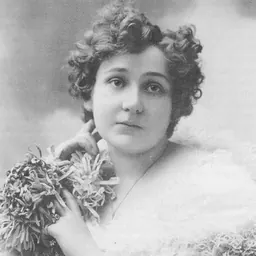
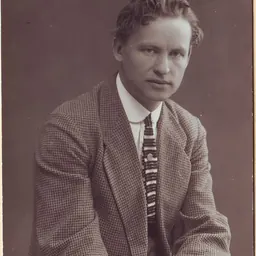
Contemporaries
People whose lives overlapped Germaine Cernay's
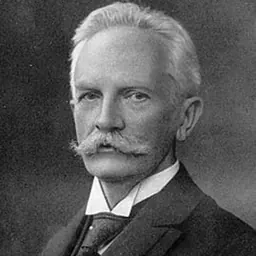


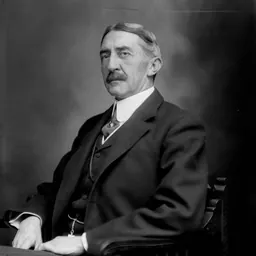
Frequently asked questions
Who was Germaine Cernay?
French opera singer (1900–1943)
When was Germaine Cernay born?
Germaine Cernay was born on 28 April 1900 in Le Havre.
When did Germaine Cernay die?
Germaine Cernay died in 1943 in Paris.
What was Germaine Cernay's occupation?
Germaine Cernay was an opera singer.
What nationality was Germaine Cernay?
Germaine Cernay was French.
Sources & further reading
Cite this page
APA: Biography.guide. (2026). Germaine Cernay. https://biography.guide/germaine-cernay/
MLA: "Germaine Cernay." Biography.guide, https://biography.guide/germaine-cernay/.
Chicago: "Germaine Cernay." Biography.guide. https://biography.guide/germaine-cernay/.
Data last updated: 2026-09-21 · Spot an error? Report a correction.
Portrait: Wikimedia Commons · author & licence
Page generated 2026-09-27 05:01 UTC