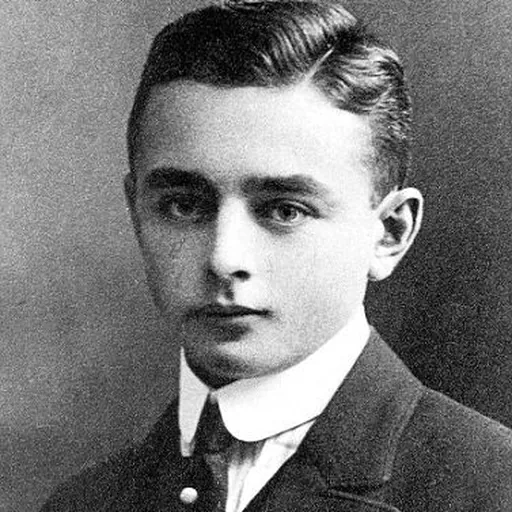
About Georg Heym
Lived 1887 – 1912 (aged 24). Georg Heym was a German poet, writer, novelist, playwright, poet lawyer and jurist.
Georg Theodor Franz Artur Heym (30 October 1887 – 16 January 1912) was a German writer. He is particularly known for his poetry, representative of early Expressionism.
Biography
Heym was born in Hirschberg, Lower Silesia, in 1887 to Hermann and Jenny Heym. Throughout his short life, he was in conflict with social conventions. His parents, members of the Wilhelmine middle class, had trouble comprehending their son's rebellious behavior. Heym's own attitude towards his parents was paradoxical; on the one hand he held a deep affection for them, but on the other he strongly resisted any attempts to suppress his individuality and autonomy.
In 1900, the Heyms moved to Berlin, and there Georg began unsuccessfully attending a series of different schools. Eventually, he arrived at the Friedrich-Wilhelms-Gymnasium at Neuruppin in Brandenburg. He was very dissatisfied, and as a way to achieve some release he began writing poetry. After he graduated and went to study law at Würzburg, he started writing plays as well. However, publishers largely ignored his work.
In 1910, Heym met the poet and writer Simon Guttmann, who invited Heym to join the recently founded Der Neue Club, a descendant of a student society at the University of Berlin. Other members of this Club included Kurt Hiller, Jakob van Hoddis, and Erwin Loewenson (also known as Golo Gangi); often visiting were Else Lasker-Schüler, Gottfried Benn, and Karl Kraus. Although the Club had no actual stated objective, its members all shared a sense of rebellion against contemporary culture and possessed a desire for political and aesthetic upheaval. The Club held "Neopathetisches Cabaret" meetings in which members presented work, and it was here that Heym first gained notice. His poetry immediately attracted praise. In January 1911, Ernst Rowohlt published Heym's first book and the only one to appear in his lifetime: Der ewige Tag (The Eternal Day).
Heym later went through several judicial jobs, none of which he held for long due to his lack of respect for authority. On 16 January 1912, Heym and his friend Ernst Balcke went on a skating trip to the frozen river Havel. They never returned. A few days later their bodies were found. Appearances indicated that Balcke had fallen through the ice and Heym had attempted to save him but fell in as well. Heym remained alive for half an hour, calling out for help. His cries were heard by some nearby forestry workers, but they were unable to reach him.
Works
Poetry Der Baum Der Gott der Stadt (1910) Der Krieg (1911) Der ewige Tag (1911) Umbra vitae (1912) Marathon (1914) Die Stadt (1911)
Prose Der Dieb. Ein Novellenbuch (1913)
Drama Der Athener Ausfahrt (1907)
Other Versuch einer neuen Religion (1909)
Don’t just read it —
keep it.
Full-length biographies made to live with: read them, listen on the way to work, watch them tonight.
- E-book
- Audio
- Video
Instant download · yours to keep · every purchase keeps this site free
Important facts
People in Georg Heym's life
Named in this biography and alive at the same time
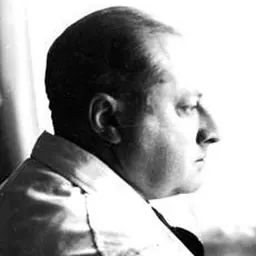
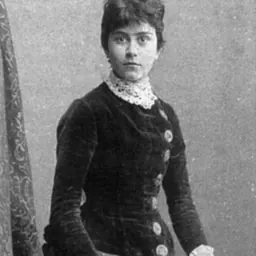
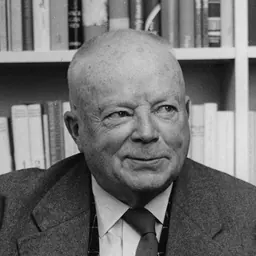


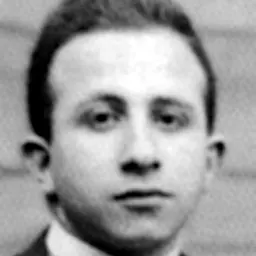

Related people
Same field, nearest in time
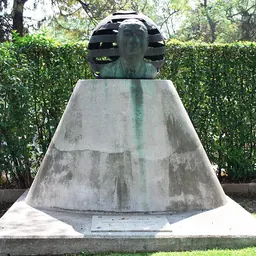

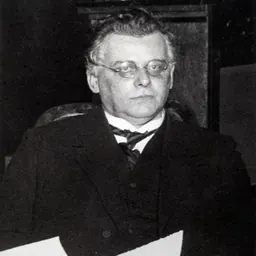
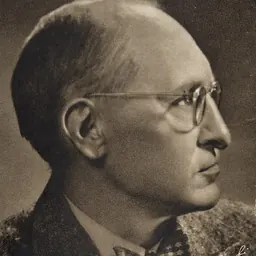
Contemporaries
People whose lives overlapped Georg Heym's






Frequently asked questions
Who was Georg Heym?
German writer (1887-1912)
When was Georg Heym born?
Georg Heym was born on 30 October 1887 in Jelenia Góra.
When did Georg Heym die?
Georg Heym died on 16 January 1912 in Gatow.
What was Georg Heym's occupation?
Georg Heym was a poet, writer, novelist, playwright, poet lawyer and jurist.
What nationality was Georg Heym?
Georg Heym was German.
Sources & further reading
Cite this page
APA: Biography.guide. (2026). Georg Heym. https://biography.guide/georg-heym/
MLA: "Georg Heym." Biography.guide, https://biography.guide/georg-heym/.
Chicago: "Georg Heym." Biography.guide. https://biography.guide/georg-heym/.
Data last updated: 2026-09-22 · Spot an error? Report a correction.
Portrait: Wikimedia Commons · author & licence
Page generated 2026-09-27 05:02 UTC