
Friedrich Trautwein
German musicologist
About Friedrich Trautwein
Lived 1888 – 1956 (aged 68). Friedrich Trautwein was a German musicologist, university teacher and electrical engineer.
Friedrich Trautwein (August 11, 1888 in Würzburg – December 20, 1956 in Düsseldorf) was a German engineer. Trautwein developed the Trautonium and is considered a pioneer of electronic music in Germany.
Life As a child, Friedrich Trautwein learned to play the organ in church. He studied electrical engineering at the Technical University of Karlsruhe, followed by law and physics in Berlin and Heidelberg. In 1906, he joined the Teutonia fraternity in Karlsruhe.
He passed the traineeship examination for the higher postal service in 1911. During WWI, he was a lieutenant in charge of a mounted radio squad. After passing the assessor exam in 1919, he went on to study physics in Heidelberg and Karlsruhe, where he earned his doctorate in engineering. He began working as a postal clerk at the Telegraphentechnisches Reichsamt the following year. In this capacity, he was involved in the establishment of the first German radio station, which was based in Berlin's Vox building. He was also dealing with electrical sound generation at the time, where he received his first patent for his research in 1922.
In 1929, he accepted a lectureship at Berlin's Academy of Arts and started the development of the Trautonium, which it would be finished in 1930. Trautwein was involved in the instrument's further development until around 1933, after which Oskar Sala continued to work on it independently. In 1933, he joined the NSDAP, which later became the SA.
Trautwein started working at the Image and Sound Academy BIKLA in Düsseldorf in 1949, but it quickly closed down. Subsequently, Trautwein went to the Düsseldorf Conservatory (now the Robert Schumann Hochschule) with his students and established the foundation for a degree in audio and video technology that still exists today. Another musical instrument, the electronic Monochord, was developed in Cologne in 1952 as a further development of the Trautonium and allowed dynamic variations in the shape of the sound envelope.
Literature
German Biographical Encyclopedia (DBE) Peter Donhauser: Electrical Sound Machines. Böhlau, Vienna 2007 Helge Dvorak: Biographical Encyclopedia of the German Fraternity. Volume II: Artists. Winter, Heidelberg 2018, , pp. 690–692.
Don’t just read it —
keep it.
Full-length biographies made to live with: read them, listen on the way to work, watch them tonight.
- E-book
- Audio
- Video
Instant download · yours to keep · every purchase keeps this site free
Important facts
People in Friedrich Trautwein's life
Named in this biography and alive at the same time

Related people
Same field, nearest in time
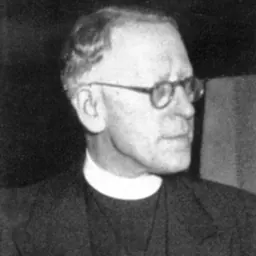
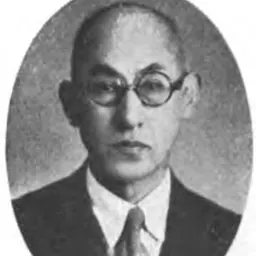
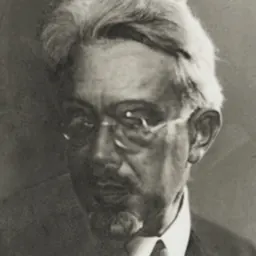
Contemporaries
People whose lives overlapped Friedrich Trautwein's




Frequently asked questions
Who was Friedrich Trautwein?
German musicologist (1888-1956)
When was Friedrich Trautwein born?
Friedrich Trautwein was born on 11 August 1888 in Würzburg.
When did Friedrich Trautwein die?
Friedrich Trautwein died on 20 December 1956 in Düsseldorf.
What was Friedrich Trautwein's occupation?
Friedrich Trautwein was a musicologist, university teacher and electrical engineer.
What nationality was Friedrich Trautwein?
Friedrich Trautwein was German.
Sources & further reading
· Wikipedia: Friedrich Trautwein
· DBpedia: Friedrich Trautwein
Cite this page
APA: Biography.guide. (2026). Friedrich Trautwein. https://biography.guide/friedrich-trautwein/
MLA: "Friedrich Trautwein." Biography.guide, https://biography.guide/friedrich-trautwein/.
Chicago: "Friedrich Trautwein." Biography.guide. https://biography.guide/friedrich-trautwein/.
Data last updated: 2026-09-20 · Spot an error? Report a correction.
Page generated 2026-09-27 05:26 UTC