
About Francesco Stancaro
Lived 1501 – 1574 (aged 72–73). Francesco Stancaro was a Polish linguist, translator, bible translator, theologian and hebraist.
Francesco Stancaro (also Latin: Franciscus Stancarus) (1501 in Mantua – 1574 in Stopnica) was an Italian Catholic priest, theologian, Protestant convert, and Protestant reformer who became professor of Hebrew at the University of Königsberg.
A scholar in theology and Lutheranism, conciliarist, and a trained physician, he was an opponent of antitrinitarianism, but his views on Christ's mediatorship were actually used by antitrinitarians to popularize their views in Poland and Hungary. His teachings never achieved widespread credibility amongst Calvinists, but he received a considerable following, particularly amongst the Polish and Hungarian aristocracy, and is considered one of the most successful Reformists in Poland. He published De modo legendi Hebraice institutio brevissima in 1530. Brought up a Roman Catholic, he became a Protestant in 1540, while teaching Hebrew at the University of Padua. They spent time in Strasbourg, where Ochino met up with old friend Peter Martyr and they received an invitation by Archbishop Cranmer to visit London. At Basel he found the time to produce four theological works, Suae ebraee grammaticae compendium, nunc primum excussum, In epistolam canonicam D. Jacobi Heriolymitani expositio pia, Miscellanea theologica. Nempe gradus beneficiorum dei, de templis Judaeorum, bibliorum scriptroes, deprophetis, Israeliticus ordo, de synagogis, modus legendas prophetas, linguae ebrae inclinatio, ebrei unde dicti, lectionis in synagoga. Noviter excussa, and Opera nuova di F. S. Mantovano della Riformatione, si della dottrina Christiana, come della vera intelligentia dei sacramenti. con maturi consideratione et fondamento della scrittura santa, et consoglio de Santi Padri. non solamente utile, ma necessaria a ogni stato et conditione di Persone. In 1546 he was said to have published a "false opinion" in that there were "supposed to be two different Messiahs, one of a host of unusual notions entertained by Anabaptists."
In Poland his oratorical talents and scholarship was recognized, particularly amongst the aristocracy. Yet he was considered to be a "highly cultivated man, a refined student of Hebrew." According to Pierre Bayle and others, Stancaro convinced Oleśnicki to banish all of the monks from Pińczów. They did not travel, but Melanchthon stated in opposition to Stancaro that Christ, like a priest, was a mediator in two natures. although some give the date of publication as earlier and state 1548 or 1550; the truth though appears to be that he drafted the work in Pińczów in 1650 and published it two years later while in Frankfurt-on-the-Oder in 1552. Stancaro authored De Trinitate et Mediatore Domino nostro Iesu Christo adversus Henricum Bullingerum...Ad magnificos et generosos Dominos Nobiles ac eorum Ministeros a variis Pseudoevabelicis seductis a decade later in 1562 in which he offered his views on the issue, mainly in response to the letters of Peter Martyr Vermigli, a strong critic of Stancero. During his time with Petrovics he influenced numerous people in Hungary such as the Debrecen clergyman Tamás Arany, who became involved in a heated debate with Calvinist bishop Péter Melius Juhász over Antitrinitarian issues. leading to imprisonment on 28 June 1559 at Wlodzislaw. Stancaro was released and moved to Dubiecko. Here he was involved in the Synod of Książ, held in September 1560, and a year later he founded a Reformed church, an existence which was to be short-lived. During his time in Dubiecko he authored Collatio doctrinae Arrii, et Philippi Melanchthonis, et sequacium Arrii et Philippi Melanchthonis et Francisci Davidis et reliquorum Saxonum doctrina de Filio Dei, Domino Jesu Christo, vna est et eadem and De officiis mediatoris domini Jesu Christi et secundum quam naturam haec officia exhibuerit et executusd fuerit. In 1562 he settled in Stopnica, where he led a comparatively quiet life in retirement. He died on November 12, 1574.
Works De modo legendi Hebraice institutio brevissima, Venedig (1530) Suae ebraee grammaticae compendium, nunc primum excussum, Basel (1547) In epistolam canonicam D. Jacobi Heriolymitani expositio pia, Basel (1547) Miscellanea theologica. Nempe gradus beneficiorum dei, de templis Judaeorum, bibliorum scriptroes, deprophetis, Israeliticus ordo, de synagogis, modus legendas prophetas, linguae ebrae inclinatio, ebrei unde dicti, lectionis in synagoga. Noviter excussa, (1547) Opera nuova di F. S. Mantovano della Riformatione, si della dottrina Christiana, come della vera intelligentia dei sacramenti. con maturi consideratione et fondamento della scrittura santa, et consoglio de Santi Padri. non solamente utile, ma necessaria a ogni stato et conditione di Persone, Basel (1547) Canones Reformationis, Frankfurt/Oder (1552) Collatio doctrinae Arrii, et Philippi Melanchthonis, et sequacium Arrii et Philippi Melanchthonis et Francisci Davidis et reliquorum Saxonum doctrina de Filio Dei, Domino Jesu Christo, vna est et eadem, (1559) De officiis mediatoris domini Jesu Christi et secundum quam naturam haec officia exhibuerit et executusd fuerit, (1559) De Trinitate et Mediatore Domino nostro Iesu Christo adversus Henricum Bullingerum...Ad magnificos et generosos Dominos Nobiles ac eorum Ministeros a variis Pseudoevabelicis seductis, Kraków (1562) Summa confessionis fidei F: S. Matvani, et quorundam discipulorum suorum, triginta octo articulis comprehensa, (1570)
Don’t just read it —
keep it.
Full-length biographies made to live with: read them, listen on the way to work, watch them tonight.
- E-book
- Audio
- Video
Instant download · yours to keep · every purchase keeps this site free
Important facts
People in Francesco Stancaro's life
Named in this biography and alive at the same time

Related people
Same field, nearest in time
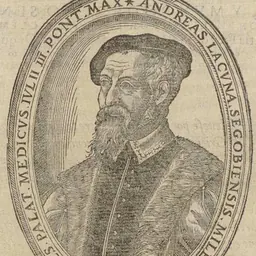

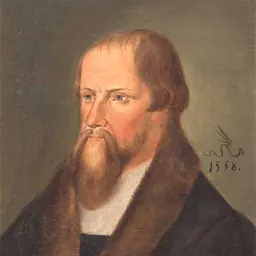
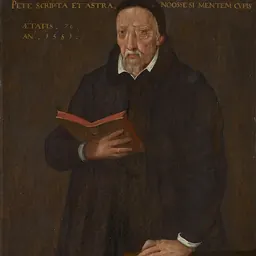


Contemporaries
People whose lives overlapped Francesco Stancaro's
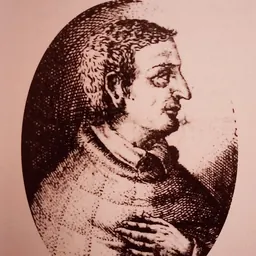

Frequently asked questions
Who was Francesco Stancaro?
Italian academic
When was Francesco Stancaro born?
Francesco Stancaro was born in 1501 in Mantua.
When did Francesco Stancaro die?
Francesco Stancaro died on 12 November 1574 in Stopnica.
What was Francesco Stancaro's occupation?
Francesco Stancaro was a linguist, translator, bible translator, theologian and hebraist.
What nationality was Francesco Stancaro?
Francesco Stancaro was Polish.
Sources & further reading
· Wikipedia: Francesco Stancaro
Cite this page
APA: Biography.guide. (2026). Francesco Stancaro. https://biography.guide/francesco-stancaro/
MLA: "Francesco Stancaro." Biography.guide, https://biography.guide/francesco-stancaro/.
Chicago: "Francesco Stancaro." Biography.guide. https://biography.guide/francesco-stancaro/.
Data last updated: 2026-09-20 · Spot an error? Report a correction.
Page generated 2026-09-27 05:32 UTC