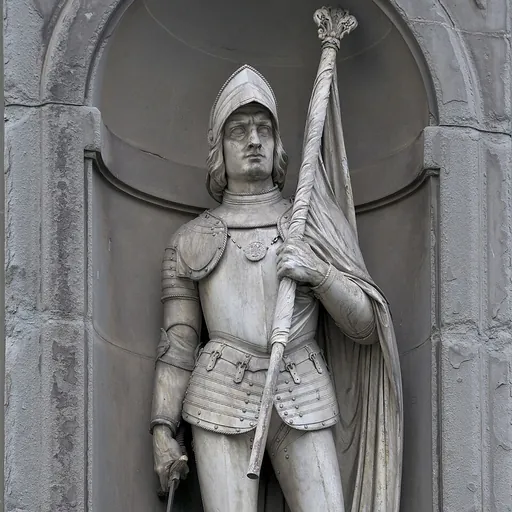
Francesco Ferrucci
Italian general
About Francesco Ferrucci
Lived 1489 – 1530 (aged 40). Francesco Ferrucci was an Italian condottiero.
Francesco Ferruccio (or Ferrucci) (14893 August 1530) was an Italian captain from Florence who fought in the Italian Wars.
Biography
After spending a few years as a merchant's clerk he took to soldiering at an early age, and served his apprenticeship under Giovanni de' Medici, in the latter's Black Bands (Delle Bande Nere being Giovanni de' Medici's nickname, from the black stripes on his insignia) in various parts of Italy, earning a reputation as a daring fighter and swashbuckler. When Pope Clement VII and the emperor Charles V decided to reinstate the Medici in Florence, during the War of the League of Cognac, they attacked the Florentine Republic, and Ferruccio was appointed Florentine military commissioner, where he showed great daring and resource by his rapid marches and sudden attacks on the Imperials. Ferruccio's last words uttered to his murderer. This defeat sealed the fate of the Republic, and nine days later Florence surrendered. Maramaldo's deed earned him immortal infamy, even turning his own surname into a synonym for "villainous" in Italian, while the verb maramaldeggiare exists as well-meaning "to bully a defenceless victim".
Posthumous myth
During the Risorgimento, when the country of Italy was being assembled from parts occupied by foreign empires or dynasties, the figure of Ferruccio became a historical metaphor for the present struggles. L'Assedio di Firenze, the most famous novel of Francesco Domenico Guerrazzi, was based on and greatly glorified his life; he is indeed cited in "Il Canto degli Italiani", the national anthem of Italy composed in 1847 by Goffredo Mameli. In an 1849 speech at Livorno, Garibaldi likened himself to him: "I have touched with my sword the ashes of Ferruccio, and I will know how to die like Ferruccio."
Under Fascism, the legend of his life and death was much celebrated, and a festival in his name was set up in Florence to inculcate his life as an exemplary model. That partially accounts for the popularity of naming male children in Tuscany born at that period 'Ferruccio'.
Don’t just read it —
keep it.
Full-length biographies made to live with: read them, listen on the way to work, watch them tonight.
- E-book
- Audio
- Video
Instant download · yours to keep · every purchase keeps this site free
Important facts
Related people
Same field, nearest in time
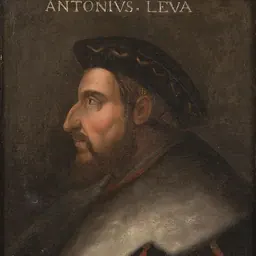
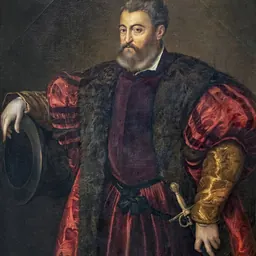


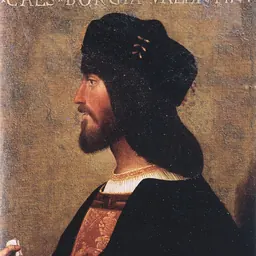
Contemporaries
People whose lives overlapped Francesco Ferrucci's


Frequently asked questions
Who was Francesco Ferrucci?
Italian general
When was Francesco Ferrucci born?
Francesco Ferrucci was born on 23 August 1489 in Florence.
When did Francesco Ferrucci die?
Francesco Ferrucci died on 13 August 1530 in San Marcello Pistoiese.
What was Francesco Ferrucci's occupation?
Francesco Ferrucci was a condottiero.
What nationality was Francesco Ferrucci?
Francesco Ferrucci was Italian.
Sources & further reading
· Wikipedia: Francesco Ferrucci
· DBpedia: Francesco Ferruccio
Cite this page
APA: Biography.guide. (2026). Francesco Ferrucci. https://biography.guide/francesco-ferrucci/
MLA: "Francesco Ferrucci." Biography.guide, https://biography.guide/francesco-ferrucci/.
Chicago: "Francesco Ferrucci." Biography.guide. https://biography.guide/francesco-ferrucci/.
Data last updated: 2026-09-23 · Spot an error? Report a correction.
Portrait: Wikimedia Commons · author & licence
Page generated 2026-09-27 05:08 UTC