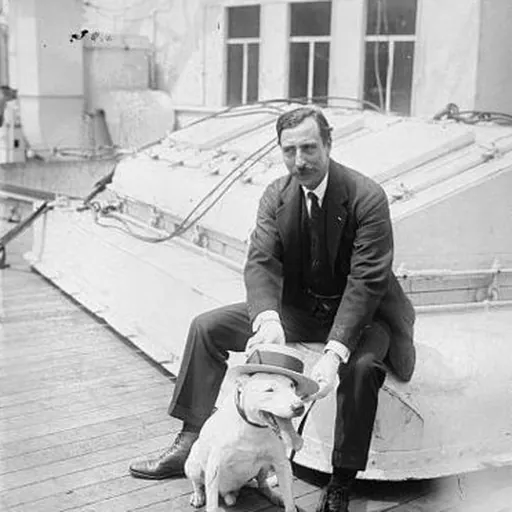
About Ernest Schelling
Lived 1876 – 1939 (aged 63). Ernest Schelling was an American composer, conductor, pianist and musician.
Ernest Henry Schelling (July 26, 1876 – December 8, 1939) was an American pianist, composer, and conductor, and music director. He was the conductor of the Baltimore Symphony Orchestra from 1935 to 1937.
His first wife was Lucie Howe Draper, whom he married on May 3, 1905, in Manhattan, New York City. She died on February 4, 1938, at their summer home in Lausanne, Switzerland.
He married his second wife, Helen Huntington "Peggy" Marshall, on August 11, 1939, when she was 21 and he was 63. She was the stepdaughter of the philanthropist Brooke Astor, and a niece of Vincent Astor.
He died of a cerebral embolism at his home in Manhattan, New York City, on December 8, 1939. His bride of four months was at his deathbed side.
Composer Schelling wrote numerous works for piano, orchestra and chamber groups which were often performed during his lifetime, but have since fallen from the repertoire. His most popular work was A Victory Ball, a symphonic poem for orchestra based on an anti-war poem by Alfred Noyes. Willem Mengelberg and the New York Philharmonic Orchestra made an early electrical recording of the music for the Victor Talking Machine Company.
Honours
He was elected an honorary member of Phi Mu Alpha Sinfonia fraternity, the national fraternity for men in music, in 1917 by the fraternity's Alpha chapter at the New England Conservatory of Music in Boston, Massachusetts.
Schelling was the first conductor of the Young People's Concerts of the New York Philharmonic. The first concert was held March 27, 1924. The concerts were designed to encourage the love of music in children. They combined the orchestra's performance with a lecture about one aspect or another of the orchestra or the music itself with a picture or demonstration, so that children were exposed to a variety of stimuli. The concerts were highly appreciated by children, as well as their parents. Schelling held these concerts in New York, and also took them on the road. Such cities as Philadelphia, London, Rotterdam and Los Angeles hosted them.
Don’t just read it —
keep it.
Full-length biographies made to live with: read them, listen on the way to work, watch them tonight.
- E-book
- Audio
- Video
Instant download · yours to keep · every purchase keeps this site free
Important facts
People in Ernest Schelling's life
Named in this biography and alive at the same time




Related people
Same field, nearest in time



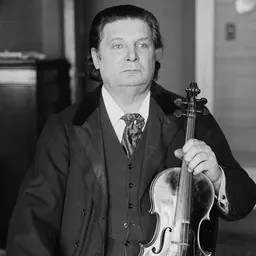
Contemporaries
People whose lives overlapped Ernest Schelling's
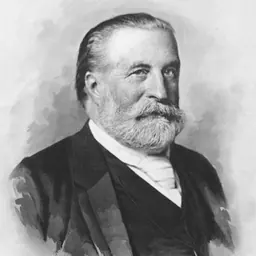
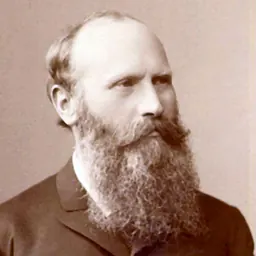
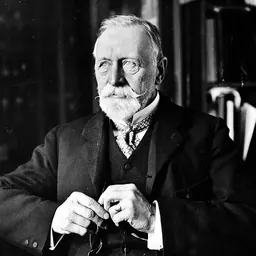
Frequently asked questions
Who was Ernest Schelling?
American conductor (1876–1939)
When was Ernest Schelling born?
Ernest Schelling was born on 26 July 1876 in Belvidere.
When did Ernest Schelling die?
Ernest Schelling died on 8 December 1939 in Manhattan.
What was Ernest Schelling's occupation?
Ernest Schelling was a composer, conductor, pianist and musician.
What nationality was Ernest Schelling?
Ernest Schelling was American.
Sources & further reading
Cite this page
APA: Biography.guide. (2026). Ernest Schelling. https://biography.guide/ernest-schelling/
MLA: "Ernest Schelling." Biography.guide, https://biography.guide/ernest-schelling/.
Chicago: "Ernest Schelling." Biography.guide. https://biography.guide/ernest-schelling/.
Data last updated: 2026-09-20 · Spot an error? Report a correction.
Page generated 2026-09-27 05:09 UTC