
About Emanuil Grigorovitza
Lived 1857 – 1915 (aged 58). Emanuil Grigorovitza was an Austrian germanist, translator, prose writer, philologist, russian studies scholar and university teacher.
Emanuil Grigorovitza (February 15, 1857–December 6, 1915) was an Austro-Hungarian-born Romanian writer and philologist.
Born in Rădăuți, in the Duchy of Bukovina, his parents were Vasile, a teacher, and Alexandra (née Pintilie); He attended primary school in Storojineț.
In 1891, he took the baccalaureate examination at Bern. He obtained a doctorate in philosophy from Bern University in 1893, firing a revolver into his mouth, which killed him instantly.
He made important contributions in journalism, literature and German philology, becoming one of Romania's first significant Germanists. He wrote ten textbooks, mainly about the German language; dictionaries and numerous studies of philology, literary criticism and history, translations and anthologies. His first academic article, from 1892, was about the role of myths and historical tradition in German folk poetry. His work appeared in Romänische Revue, Vatra, Familia, Literatură și artă română, Patria, Conservatorul, Rumänischer Lloyd, Junimea literară, Die Karpathen, Luceafărul and Flacăra. This consisted of studies, articles, sketches, tales, translations into German (mainly poems by Eminescu) and Romanian (stories by Nikolai Gogol and Henryk Sienkiewicz). His first book of prose fiction, Chipuri și graiuri din vesela grădină…, appeared at Berlin in 1900. Seven more books followed, largely collections of writings previously published in magazines. Schitul Cerebucului (1908) and Piatra muierii (1911), are historical novellas, “banal” and “insubstantial”. Grigorovitza was much more successful when, clearly influenced by Ion Creangă’s Childhood Memories, he tried recreating his early years or the faces and journeys that had left an impression. In sketches such as “Cum era să mă fac catolic”, “Jupânul Toiba” and “Badea Huștiuluc”, and in the 1911 volume Cum a fost odată, he recreates the multiethnic space of northern Bukovina, imparting a fairytale-like ambience to the villages, the picturesque market towns and the city of Cernăuți. With warmth and sensibility, he recalls his parents, his teachers and schoolmates, the friends he made in Vienna and Iași. He sketches the world of the răzeși (peasants owning small plots of land), in particular the women, creatures of habit dwelling among memories, forgotten by time; and compassionately recounts the daily existence of humble characters.
Don’t just read it —
keep it.
Full-length biographies made to live with: read them, listen on the way to work, watch them tonight.
- E-book
- Audio
- Video
Instant download · yours to keep · every purchase keeps this site free
Important facts
People in Emanuil Grigorovitza's life
Named in this biography and alive at the same time

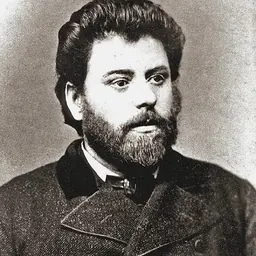
Related people
Same field, nearest in time

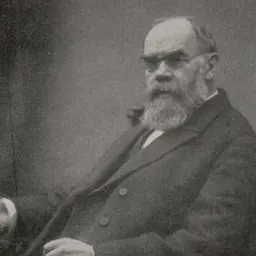
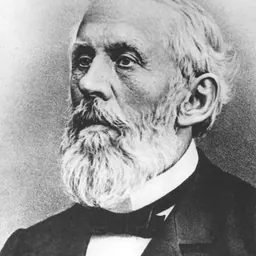
Contemporaries
People whose lives overlapped Emanuil Grigorovitza's






Frequently asked questions
Who was Emanuil Grigorovitza?
Romanian author (1857-1915)
When was Emanuil Grigorovitza born?
Emanuil Grigorovitza was born on 15 February 1857 in Rădăuți.
When did Emanuil Grigorovitza die?
Emanuil Grigorovitza died on 6 December 1915 in Bucharest.
What was Emanuil Grigorovitza's occupation?
Emanuil Grigorovitza was a germanist, translator, prose writer, philologist, russian studies scholar and university teacher.
What nationality was Emanuil Grigorovitza?
Emanuil Grigorovitza was Austrian.
Sources & further reading
· Wikipedia: Emanuil Grigorovitza
· DBpedia: Emanuil Grigorovitza
Cite this page
APA: Biography.guide. (2026). Emanuil Grigorovitza. https://biography.guide/emanuil-grigorovitza/
MLA: "Emanuil Grigorovitza." Biography.guide, https://biography.guide/emanuil-grigorovitza/.
Chicago: "Emanuil Grigorovitza." Biography.guide. https://biography.guide/emanuil-grigorovitza/.
Data last updated: 2026-09-20 · Spot an error? Report a correction.
Page generated 2026-09-27 05:29 UTC