
About Elizabeth Cellier
Born 1650. Elizabeth Cellier was a British midwife and women's rights activist.
Elizabeth Cellier, commonly known as the "Popish Midwife" (died ), was a notable Catholic midwife in seventeenth-century England. She stood trial for treason in 1679 for her alleged part in the "Meal-Tub Plot" against the future King James II, but was eventually freed. Cellier was later imprisoned for allegations made in her 1680 work Malice Defeated, in which she recounted the events of the alleged conspiracy against the future King. She later became a pamphleteer and advocated for advancements in the field of midwifery. Cellier published A Scheme for the Foundation of a Royal Hospital in 1687, where she outlined plans for a hospital and a college for instructions in midwifery, as well as proposing that midwives of London should enter into a corporation and use their fees to establish parish houses where any woman could give birth.
The Jesuit historian John Warner described Cellier as a woman of clear, sharp and lively intelligence but rather poor judgment, a conclusion he reached through her conduct during the Popish Plot.
Many Catholics were incarcerated in 1678 because of the national alarm created by the fabricated Popish Plot of Titus Oates. Edwin Burton writes in his article on Cellier in the Catholic Encyclopedia, that "Mrs. Cellier's charity led her to visit these prisoners, and as her profession allowed her to meet many leading Catholic ladies, she often became the channel of their charity towards the prisoners. Among these ladies was the Countess of Powis, whose kindness was shown to, among others, a clever imposter, Thomas Dangerfield, who had a long criminal record. Becoming aware of this man's lie, Lady Powis ceased to assist him, and in revenge, he decided to denounce her to the government as being involved in a new Popish Plot." Cellier was found not guilty, and Dangerfield himself was arrested instead on account of a felony, for which he had been previously outlawed. After Cellier's acquittal, she published a brief relation of the whole affair under the title of Malice Defeated in 1680. Dangerfield, while undergoing a public whipping in 1685, was accidentally killed in a fight with a barrister, Robert Francis, who, to the surprise of the general public, was hanged for murder.
The publication of Malice Defeated led not only to a long series of pamphlets for and against Cellier, but also to her second prosecution. The charge this time was that of libel against the king and the ministry, because Cellier had alleged that two witnesses in the Edmund Berry Godfrey case had been tortured, a charge that, in the case of Miles Prance, was most likely true. The real focus of this prosecution, according to Roger North, was to prevent Cellier from giving evidence in favour of the imprisoned Catholic peers. For this, she was sentenced to pay a fine of £1,000 and to stand three times in the pillory.
Don’t just read it —
keep it.
Full-length biographies made to live with: read them, listen on the way to work, watch them tonight.
- E-book
- Audio
- Video
Instant download · yours to keep · every purchase keeps this site free
Important facts
Related people
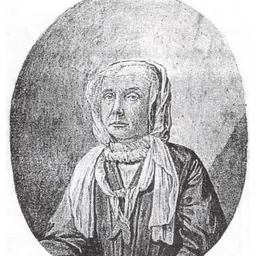
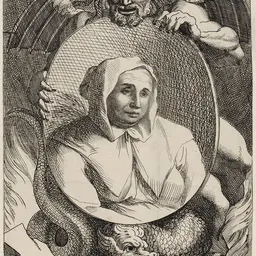
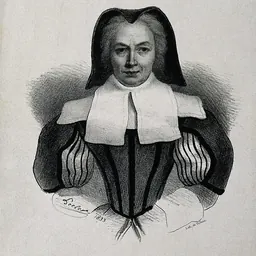
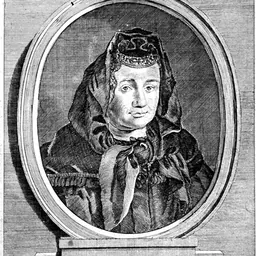
Same field, nearest in time


Frequently asked questions
Who was Elizabeth Cellier?
English midwife
When was Elizabeth Cellier born?
Elizabeth Cellier was born in 1650.
What was Elizabeth Cellier's occupation?
Elizabeth Cellier was a midwife and women's rights activist.
What nationality was Elizabeth Cellier?
Elizabeth Cellier was British.
Sources & further reading
· Wikipedia: Elizabeth Cellier
Cite this page
APA: Biography.guide. (2026). Elizabeth Cellier. https://biography.guide/elizabeth-cellier/
MLA: "Elizabeth Cellier." Biography.guide, https://biography.guide/elizabeth-cellier/.
Chicago: "Elizabeth Cellier." Biography.guide. https://biography.guide/elizabeth-cellier/.
Data last updated: 2026-09-20 · Spot an error? Report a correction.
Page generated 2026-09-27 05:12 UTC