
About Eithne Strong
Lived 1923 – 1999 (aged 75–76). Eithne Strong was an Irish poet and writer.
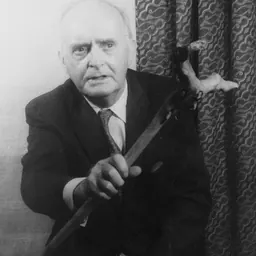
Eithne Strong (née O'Connell; 1923–1999) was a bilingual Irish poet and writer who wrote in both Irish and English. Her first poems in Irish were published in Combhar and An Glor 1943–44 under the name Eithne Ni Chonaill. She was a founder member of the Runa Press, whose early Chapbooks featured artwork by among others Jack B. Yeats, Sean Keating, Sean O'Sullivan, and Harry Kernoff among others. The press was noted for the publication in 1943 of Marrowbone Lane by Robert Collis, which depicts the fierce fighting that took place during the Easter Rising of 1916.
Life and work Strong was born in Glensharrold, County Limerick to school teachers, John and Kathleen (Lennon) O'Connell.
She met her husband while in Dublin. Psychoanalyst Rupert Strong was twelve years her senior and though against the wishes of her family, she stayed there and married him on 12 November 1943. They had nine children the last of whom required full-time care due to a mental handicap.
She attended Trinity College Dublin in her forties where she got a B.A in 1973.
Author and poet Mary O'Donnell in her foreword-essay to Strong's poems suggested that "diversity of thought and impulse makes these poems radiate humanity, belief and a revelatory sense of justice". The editor of Poethead Wordpress, Christine Elizabeth Murray has linked the poetry of Patrick Kavanagh, Padraic Colum and Eithne Strong, describing their work "as an example of the triumph of art and literature providing an amazing root-system for new writers in terms of earthly estate, land and language".
In 1991 she won the Kilkenny Design Award for Flesh – The Greatest Sin. She was a member of Aosdána. She died in Monkstown, Dublin in 1999.
The Dún Laoghaire Annual Book Festival, 'Mountains to the Sea' awards the Rupert & Eithne Strong Poetry Prize now the Strong/Shine Award made possible by the generous support of Shine, the national organisation dedicated to the needs of those affected by mental ill health. On International Women's Day 2000, an event was held to commemorate the life and work of Eithne Strong at the Irish Writer's Centre, Parnell Square, Dublin and a room was named in her honour in 2012. Her manuscripts are stored uncataloged at the National Library of Ireland.
Don’t just read it —
keep it.
Full-length biographies made to live with: read them, listen on the way to work, watch them tonight.
- E-book
- Audio
- Video
Instant download · yours to keep · every purchase keeps this site free
Important facts
People in Eithne Strong's life
Named in this biography and alive at the same time





Related people
Same field, nearest in time


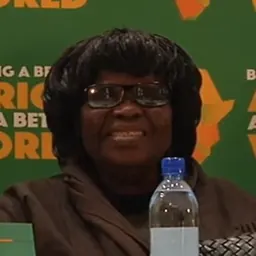
Contemporaries
People whose lives overlapped Eithne Strong's
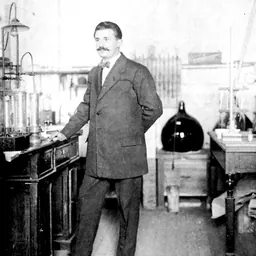
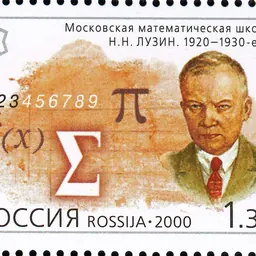
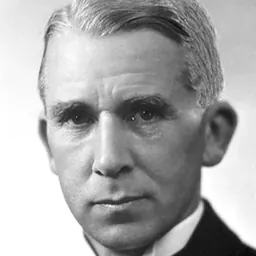

Frequently asked questions
Who was Eithne Strong?
Irish writer
When was Eithne Strong born?
Eithne Strong was born in 1923 in Limerick.
When did Eithne Strong die?
Eithne Strong died in 1999 in Monkstown.
What was Eithne Strong's occupation?
Eithne Strong was a poet and writer.
What nationality was Eithne Strong?
Eithne Strong was Irish.
Sources & further reading
Cite this page
APA: Biography.guide. (2026). Eithne Strong. https://biography.guide/eithne-strong/
MLA: "Eithne Strong." Biography.guide, https://biography.guide/eithne-strong/.
Chicago: "Eithne Strong." Biography.guide. https://biography.guide/eithne-strong/.
Data last updated: 2026-09-20 · Spot an error? Report a correction.
Page generated 2026-09-27 05:29 UTC