
About Cuitláhuac
Lived 1476 – 1520 (aged 43–44). Cuitláhuac was a politician.
Cuitláhuac (, ) (c. 1476 – 1520) (in Spanish orthography; , , honorific form: Cuitlahuatzin) was the 10th Huey Tlatoani (emperor) of the Aztec city of Tenochtitlan for 80 days during the year Two Flint. He is credited with leading the resistance to the Spanish and Tlaxcalteca conquest of the Mexica Empire, following the death of his kinsman Moctezuma II.
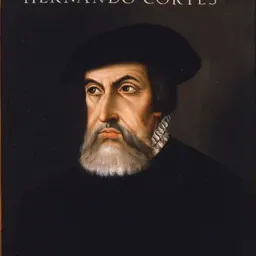
Biography Cuitláhuac was the eleventh son of the ruler Axayacatl and a younger brother of Moctezuma II, the late Emperor of Tenochtitlan, who died during the Spanish occupation of the city. His mother's father, also called Cuitlahuac, had been ruler of Iztapalapa, and the younger Cuitláhuac also ruled there initially. Cuitláhuac was an experienced warrior and an adviser to Moctezuma, warning him not to allow the Spaniards to enter Tenochtitlan. Hernán Cortés imprisoned both Moctezuma and Cuitláhuac. Cortes had to leave the city in order to meet a Spanish force sent by Diego Velasquez, Spanish governor of Cuba. Following the massacre of Aztec elites when Cortés was away from Tenochtitlan, the Mexica besieged the Spanish and their indigenous allies. Cuitláhuac was released on the pretense to reopen the market to get food to the invaders. Moctezuma was stoned to death after trying to tell his people to withdraw from the battle between the Aztecs and the Spanish, and Cuitláhuac was elected tlatoani following the flight of the Spaniards and their allies from Tenochtitlan on June 30, 1520. Some sources claim he was serving in that role even before Moctezuma's death.
Cuitláhuac was ritually married to Moctezuma's eldest daughter, a ten- or eleven-year-old girl, who later was called Isabel Moctezuma.
Cuitláhuac ruled just 80 days, perhaps dying from smallpox Immediately after Cuitláhuac's death, Cuauhtémoc was made the next tlatoani.
Legacy The modern Mexican municipality of Cuitláhuac, Veracruz and the Mexico City Metro station Metro Cuitláhuac are named in honor of Cuitláhuac. The asteroid 2275 Cuitláhuac is also named after this ruler.
There is an Avenue in Mexico City Called Cuitláhuac (Eje 3 Norte) that runs from Avenue Insurgentes to Avenue Mexico-Tacuba and that is part of an inner ring; also many streets in other towns and villages in Mexico are so called.
Don’t just read it —
keep it.
Full-length biographies made to live with: read them, listen on the way to work, watch them tonight.
- E-book
- Audio
- Video
Instant download · yours to keep · every purchase keeps this site free
Important facts
Family & relationships
People in Cuitláhuac's life
Named in this biography and alive at the same time

Related people
Same field, nearest in time


Contemporaries
People whose lives overlapped Cuitláhuac's




Frequently asked questions
Who was Cuitláhuac?
Tlatoani of Tenochtitlan (1476-1638)
When was Cuitláhuac born?
Cuitláhuac was born in 1476 in Tenochtitlan.
When did Cuitláhuac die?
Cuitláhuac died in 1520 in Tenochtitlan.
What was Cuitláhuac's occupation?
Cuitláhuac was a politician.
What nationality was Cuitláhuac?
Cuitláhuac's recorded nationality: Aztec Triple Alliance.
Sources & further reading
Cite this page
APA: Biography.guide. (2026). Cuitláhuac. https://biography.guide/cuitlahuac/
MLA: "Cuitláhuac." Biography.guide, https://biography.guide/cuitlahuac/.
Chicago: "Cuitláhuac." Biography.guide. https://biography.guide/cuitlahuac/.
Data last updated: 2026-09-25 · Spot an error? Report a correction.
Page generated 2026-09-27 05:10 UTC