
Cordie Cheek
American lynching victim
About Cordie Cheek
Lived 1916 – 1933 (aged 16–17). Cordie Cheek was an American handyman.
James Cordie Cheek (1916 – December 15, 1933 ) was a 17-year-old African-American youth who was lynched by a white mob in Maury County, Tennessee near the county seat of Columbia. After being falsely accused of attempting to rape a young white girl, Cheek was released from jail when the grand jury did not indict him, due to lack of evidence. The county magistrate and two other men from Maury County abducted Cheek from Nashville, where he was staying with relatives near Fisk University, took him back to the county, and turned him over to a lynch mob. The mob mutilated Cheek and murdered him by hanging. A grand jury declined to indict anyone for the murder of Cheek. Cordie's mother Tenny "worked for many years as a cook, maid, midwife, and nurse" for the Moores, a white family who lived nearby. Tenny arranged for her son to help doing chores around the Moore household.
Following the lynching, prosecutors intended to indict six suspects for the murder of Cheek, but a grand jury declined to file charges.
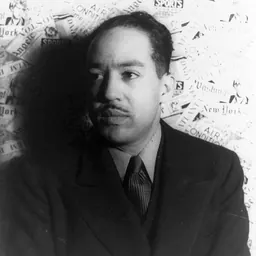
In his 1934 essay, "Cowards from the Colleges," Langston Hughes commented that Cheek "was abducted almost at the gates of the University."
In spite of various protests and calls in Nashville for justice, Gail Williams O'Brien writes that, "Maury County officials, along with a number of leading citizens in the community, closed ranks to block indictments against the alleged lynchers, and neither state nor federal forces overcame their resistance."
In his Pulitzer Prize-winning book Devil in the Grove: Thurgood Marshall, the Groveland Boys, and the Dawn of a New America, Gilbert King theorized that the outrage from the lynching of Cheek was one of the factors that catalyzed the resistance of blacks in the Columbia, Tennessee race riot of 1946, noted nationally as the "first major racial confrontation" of the postwar era.
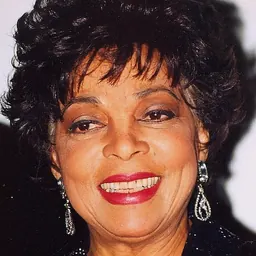
Representation in other media The lynching of Cordie Cheek is the subject of Sandra Seaton's play The Bridge Party, which is anthologized in Strange Fruit: Plays on Lynching by American Women. The plot of The Bridge Party connects the 1933 lynching and the 1946 race riot in Columbia. Ruby Dee appeared in a 1998 production of the play at the University of Michigan.
Don’t just read it —
keep it.
Full-length biographies made to live with: read them, listen on the way to work, watch them tonight.
- E-book
- Audio
- Video
Instant download · yours to keep · every purchase keeps this site free
Important facts
People in Cordie Cheek's life
Named in this biography and alive at the same time

Related people
Same field, nearest in time



Frequently asked questions
Who was Cordie Cheek?
American lynching victim
When was Cordie Cheek born?
Cordie Cheek was born in 1916 in Columbia.
When did Cordie Cheek die?
Cordie Cheek died on 15 December 1933 in Maury County.
What was Cordie Cheek's occupation?
Cordie Cheek was a handyman.
What nationality was Cordie Cheek?
Cordie Cheek was American.
Sources & further reading
· DBpedia: Lynching of Cordie Cheek
Cite this page
APA: Biography.guide. (2026). Cordie Cheek. https://biography.guide/cordie-cheek/
MLA: "Cordie Cheek." Biography.guide, https://biography.guide/cordie-cheek/.
Chicago: "Cordie Cheek." Biography.guide. https://biography.guide/cordie-cheek/.
Data last updated: 2026-09-20 · Spot an error? Report a correction.
Page generated 2026-09-27 05:03 UTC