
About Constantine of Kostenets
Lived 1380 – 1431 (aged 50–51). Constantine of Kostenets was a Bulgarian philosopher, writer and historian.
Constantine of Kostenets (; – after 1431), also known as Constantine the Philosopher , was a medieval Bulgarian writer and chronicler, who spent most of his life in the Serbian Despotate. He is best known for his biography of Serbian despot Stefan Lazarević, which George Ostrogorsky described as "the most important historical work of old Serbian literature", and for writing the first Serbian philological study, Skazanije o pismeneh (A History on the Letters). He followed the writing style of the Old Serbian "vita", first popularized in the Serbian scriptoria of the 12th century. When the Turks invaded Bulgaria, Serbia granted refuge to such men of letters as Kostonets, Grigorije Camblak, and Ioasaf of Vidin.
Biography Constantine was born in Bulgaria, probably in Kostenets. In his youth, he attended school in the capital Veliko Tarnovo, and was taught by Andronik, a pupil of Patriarch Evtimiy of Bulgaria. He continued his studies on Mount Athos and in Constantinople. The Ottoman conquest of Tarnovo in 1393 drove him away and he settled in Stefan Lazarević's Serbian Despotate, probably around 1402. He was warmly welcomed by the Despot, also a man of letters and a benefactor of education, and was given the position of educator at his palace in Belgrade. Constantine also frequented the Manasija monastery, where he helped establish the Serbian "Resava School" of literature. His high education, life experience and traveling earned him the nickname of "Filozof" (Philosopher), after Saint Cyril the Philosopher. On top of the travels in his youth, he traveled to the Holy Land and, judging by his description of three missions to the palaces of eastern rulers (Timur, Musa and Mehmed I), he may also have participated.
After the Despot's death in 1427, Constantine left Belgrade and entered into the service of kesar Uglješa Vlatković, in the area of Vranje, where he later died.
Constantine's work had a tremendous impact on medieval Serbian literature and education. He introduced many classical Greek elements of literature and philosophy. His frequent citing of ancient philosophers and comparisons of the Despot in the Biography caused many to consider him a precursor to the Renaissance, which, due to the Ottoman conquest, never occurred in Serbian culture.
Biography of Despot Stefan Lazarević
After Despot Stefan died in 1427, Nikon I, Serbian Patriarch ordered Constantine to write the Despot's biography. That order was only fulfilled four years later, after Stefan himself allegedly appeared in Constantine's dream and restated Nikon's order. The biography is one of the most interesting in the old Serbian literature because it contains not only facts about the Despot's life, but also geographic information and thorough descriptions of numerous historical events. He was apparently inspired by the imperial chronicles of Byzantine historians. The Biography of Despot Stefan Lazarević begins with a geographic description of Serbia's natural beauties, going on to describe its residents, praising their character but also mourning their forthcoming fall to the Turks. An exhaustive story of court events and the Despot's life follows, with numerous Biblical and classical references and numerous historical data which have proven invaluable to later historians. On several occasions, Constantine used acrostics, with three masterpiece instances: in the introduction verses, in the titles of central chapters, and in the verses telling of his sorrow for the deceased Despot.
Legacy Constantine of Kostenets, Pachomius the Serb, Cyprian, Metropolitan of Kiev, and Gregory Tsamblak were able to continue their literary activities virtually unhampered by any linguistic barrier when moving from the Balkans to Imperial Russia, no different than the role of Latin literature in the Roman Catholic part of medieval Europe. Constantine spoke and wrote a language which could not be identified with either the Bulgarian or Serbian vernaculars. Therefore, it was only natural for medieval Serbian biographers to turn for models to the body of existing vitae written in either Slavonic-Serbian or Church Slavonic language.
Don’t just read it —
keep it.
Full-length biographies made to live with: read them, listen on the way to work, watch them tonight.
- E-book
- Audio
- Video
Instant download · yours to keep · every purchase keeps this site free
Important facts
People in Constantine of Kostenets's life
Named in this biography and alive at the same time

Related people
Same field, nearest in time



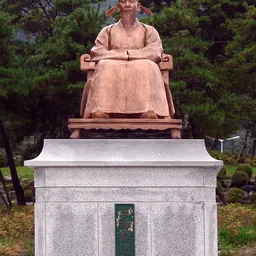
Contemporaries
People whose lives overlapped Constantine of Kostenets's

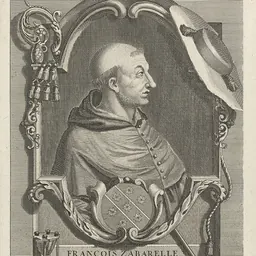


Frequently asked questions
Who was Constantine of Kostenets?
Bulgarian writer
When was Constantine of Kostenets born?
Constantine of Kostenets was born in 1380 in Kostenets.
When did Constantine of Kostenets die?
Constantine of Kostenets died in 1431 in Belgrade.
What was Constantine of Kostenets's occupation?
Constantine of Kostenets was a philosopher, writer and historian.
What nationality was Constantine of Kostenets?
Constantine of Kostenets was Bulgarian.
Sources & further reading
· Wikipedia: Constantine of Kostenets
· DBpedia: Constantine of Kostenets
Cite this page
APA: Biography.guide. (2026). Constantine of Kostenets. https://biography.guide/constantine-of-kostenets/
MLA: "Constantine of Kostenets." Biography.guide, https://biography.guide/constantine-of-kostenets/.
Chicago: "Constantine of Kostenets." Biography.guide. https://biography.guide/constantine-of-kostenets/.
Data last updated: 2026-09-20 · Spot an error? Report a correction.
Page generated 2026-09-27 05:32 UTC