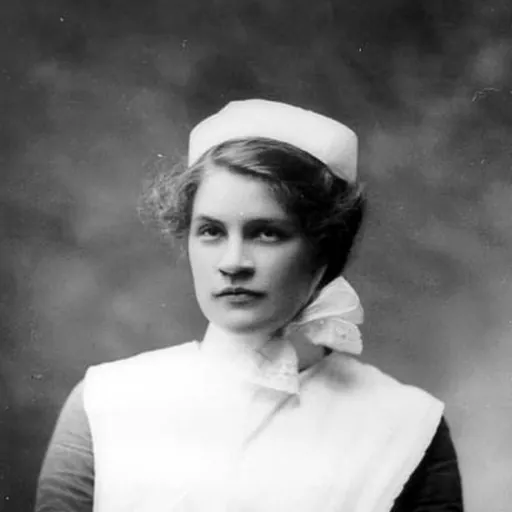
About Clare Deacon
Lived 1891 – 1952 (aged 61). Clare Deacon was an Australian nurse.
Sister Clare Deacon (13 March 1891—7 August 1952) was an Australian nurse who was among the first women to receive the Military Medal for bravery during the First World War.
Early life Deacon was born on 13 March 1891 in Pipers River, Tasmania as one of five children to Mrs. and Mr. William Deacon. She and her youngest sister Henrietta were raised by her aunt Mrs. Bird and uncle Mr. Samuel Bird in Burnie, Tasmania.
First World War Deacon was enlisted in the Australian Imperial Force as a nurse with the Australian Army Nursing Service on 29 November 1914.
Military Medal Deacon was present during a bombing of the 2nd Australian casualty clearing station in Messines on the night of 22 July 1917. It was reported that during the enemy air raid, despite being off-duty at the time, Deacon refused to leave and continued to treat patients. She protected the soldiers in part by evacuating them from the burning buildings and using the enamel hospital bowls to cover their heads.
A few weeks after the air raid, Sister Deacon and three other Australian nurses (Sisters Dorothy Cawood and Alice Ross-King, and nurse M. J. Derrer) received letters informing them that they had been awarded the Military Medal for valour. It was reported that the nurses believed this to be a joke at first because, at that point, no Military Medals had been awarded to women. They realised the awards for "conspicuous bravery at the front" were genuine after receiving official notification and an unofficial presentation from Sir William Birdwood. Deacon received the award from King George V during her leave in England in 1917. The Military Medal was the greatest honour for bravery that could be received by a woman. It was more common for army nurses to receive the Royal Red Cross, as the Military Medal was only awarded to those who displayed bravery under fire.
Along with the Military Medal, Deacon also received the British War Medal, the 1914–15 Star, and the Victory Medal. After the war, she worked in military hospitals in Tasmania until her marriage to James McGregor. She then lived in Queensland and New South Wales for the rest of her life.
Deacon died of meningitis on 7 August 1952 in Crows Nest, New South Wales, a few weeks after visiting her relatives on the North-West coast. Deacon is listed in the Dictionary of Biography of notable Australians.
Don’t just read it —
keep it.
Full-length biographies made to live with: read them, listen on the way to work, watch them tonight.
- E-book
- Audio
- Video
Instant download · yours to keep · every purchase keeps this site free
Important facts
People in Clare Deacon's life
Named in this biography and alive at the same time
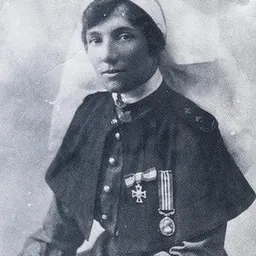

Related people
Same field, nearest in time
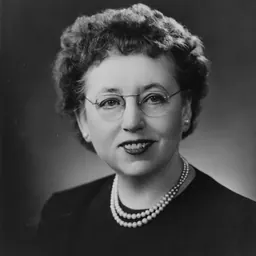
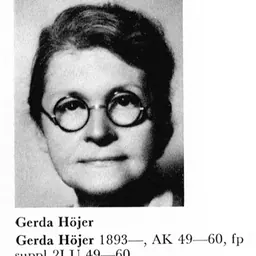



Contemporaries
People whose lives overlapped Clare Deacon's

Frequently asked questions
Who was Clare Deacon?
Australian nurse
When was Clare Deacon born?
Clare Deacon was born on 13 March 1891 in Pipers River.
When did Clare Deacon die?
Clare Deacon died on 7 August 1952 in Crows Nest.
What was Clare Deacon's occupation?
Clare Deacon was a nurse.
What nationality was Clare Deacon?
Clare Deacon was Australian.
Sources & further reading
Cite this page
APA: Biography.guide. (2026). Clare Deacon. https://biography.guide/clare-deacon/
MLA: "Clare Deacon." Biography.guide, https://biography.guide/clare-deacon/.
Chicago: "Clare Deacon." Biography.guide. https://biography.guide/clare-deacon/.
Data last updated: 2026-09-22 · Spot an error? Report a correction.
Page generated 2026-09-27 05:09 UTC