
About Charles Erskine Scott Wood
Lived 1852 – 1944 (aged 91). Charles Erskine Scott Wood was an American writer, poet lawyer, lawyer, soldier, essayist and satirist, known for Heavenly Discourse.
Charles Erskine Scott Wood (February 20, 1852 – January 22, 1944), also known as C. E. S. Wood, was an American author, civil liberties advocate, artist, soldier, and attorney. He is best known as the author of the 1927 satirical bestseller, Heavenly Discourse.
Early life Born in Erie, Pennsylvania, Wood graduated from West Point in 1874. He served as a lieutenant with the 21st Infantry Regiment and fought in the Nez Perce War in 1877. He was present at the surrender of Chief Joseph of the Nez Perce. It was Wood who transcribed, and perhaps embellished, Chief Joseph's famous speech, which ended with: "My heart is sick and sad. From where the sun now stands, I will fight no more forever." The two men became close friends.
He raised his family in Portland at a house on King's Hill near the northeast corner of today's Vista Bridge. The site is now occupied by the Portland Garden Club in the Goose Hollow neighborhood. John Reed grew up a few blocks away and was greatly influenced by Wood.
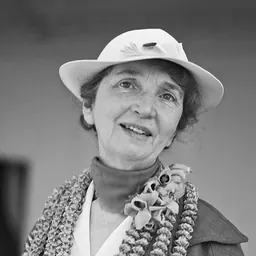
Oregon politics Following his service he became a prominent attorney in Portland, Oregon, where he often defended labor unions and "radicals" including birth control activist Margaret Sanger. He began to write, became a frequent contributor to The Pacific Monthly magazine, and was a leader of Portland's literary community.
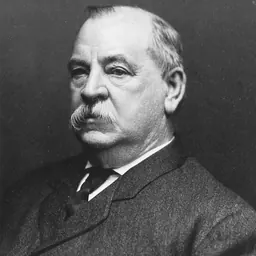
In 1896, Wood was Oregon's sole representative on the national committee of the National Democratic Party, known as the Gold Democrats. The party, which had the blessing of Grover Cleveland, championed defense of the gold standard and free trade.
Like many Cleveland Democrats, including his long-time friend Mark Twain, Wood joined the American Anti-Imperialist League. The League called for the United States to grant immediate independence to the Philippines and other territories conquered in the Spanish–American War.
Politics As a lawyer during the early twentieth century, Wood represented dissidents such as Emma Goldman. He wrote articles for radical journals such as Liberty, The Masses, and Mother Earth. and declared himself as such before an Industrial Workers of the World audience.
Wood was unflagging in his opposition to state power. He advocated such causes as civil liberties for anti-war protesters, birth control, and anti-imperialism. He was described by historian Kevin Starr as being "a Populist-Progressive with strong leanings toward the single tax theory of Henry George and a foe of organized religion."
Artist and painter Wood advocated for the native peoples, but he also painted them. His love of painting generated numerous studies of landscapes and points of interest along the Oregon and California coastline. He also memorialized some of his favorite places in watercolor including Keats' grave and vistas from his home in Los Gatos, California.
His primary medium was watercolor and graphite. The Huntington Library has a good sampling of his artwork online.
Time in Los Gatos
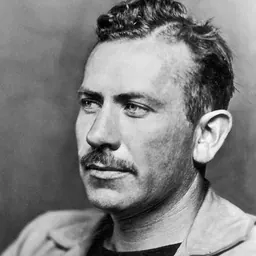
From 1925 until his death in 1944, Wood lived with his second wife, Sara Bard Field, in Los Gatos in a house named "The Cats" or the "Cats Estate" located on the hill on southbound Highway 17. The house was built in 1925 on a 34-acre property, with an entry way featuring a wrought iron gate flanked by two large white cat sculptures, named Leo and Leona. Emma Goldman, Chief Joseph, Childe Hassam, Robinson Jeffers, Margaret Sanger, and John Steinbeck.
Death and legacy At the time of his death, Wood was West Point's oldest living graduate.
Portrayal in film Wood was portrayed by Sam Elliott in the TV movie I Will Fight No More Forever. In the film, he is a United States captain who fights in the Nez Perce War.
Don’t just read it —
keep it.
Full-length biographies made to live with: read them, listen on the way to work, watch them tonight.
- E-book
- Audio
- Video
Instant download · yours to keep · every purchase keeps this site free
Important facts
Family & relationships
People in Charles Erskine Scott Wood's life
Named in this biography and alive at the same time




Related people
Same field, nearest in time



Contemporaries
People whose lives overlapped Charles Erskine Scott Wood's




Frequently asked questions
Who was Charles Erskine Scott Wood?
American author (1852–1944)
When was Charles Erskine Scott Wood born?
Charles Erskine Scott Wood was born on 20 February 1852 in Erie.
When did Charles Erskine Scott Wood die?
Charles Erskine Scott Wood died on 22 January 1944 in Los Gatos.
What was Charles Erskine Scott Wood's occupation?
Charles Erskine Scott Wood was a writer, poet lawyer, lawyer, soldier, essayist and satirist.
What was Charles Erskine Scott Wood known for?
Charles Erskine Scott Wood was known for Heavenly Discourse.
What nationality was Charles Erskine Scott Wood?
Charles Erskine Scott Wood was American.
Sources & further reading
· Wikipedia: Charles Erskine Scott Wood
· DBpedia: Charles Erskine Scott Wood
Cite this page
APA: Biography.guide. (2026). Charles Erskine Scott Wood. https://biography.guide/charles-erskine-scott-wood/
MLA: "Charles Erskine Scott Wood." Biography.guide, https://biography.guide/charles-erskine-scott-wood/.
Chicago: "Charles Erskine Scott Wood." Biography.guide. https://biography.guide/charles-erskine-scott-wood/.
Data last updated: 2026-09-20 · Spot an error? Report a correction.
Page generated 2026-09-27 05:21 UTC