
About Catalina Bárcena
Lived 1888 – 1978 (aged 89). Catalina Bárcena was a Spanish stage actor, film actor and actor.
Catalina Bárcena (10 December 1888 – 3 August 1978 was a Spanish theatre actress during the early decades of the twentieth century. With her partner, Gregorio Martínez Sierra, she worked on the creation of the pioneering Teatro de arte company at Madrid's Teatro Eslava between 1916 and 1926. She subsequently starred with several other high-profile theatre companies and also, during the 1930s, built a Hollywood career as a film actress. In parallel with her acting career she became something of a fashion icon.
Life
Catalina Bárcena was born in Cienfuegos on Cuba, the child of small-scale farmers who had emigrated from Spain. In 1898, backed by the United States, Cuba ceased to be a Spanish colony. Around 1900 the family returned to their former home village of Santa María (Lebeña) in the mountains of northern Spain.
When she was twenty she moved to Madrid where, helped by family contacts, she embarked on an acting career with the theatre company of María Guerrero, participating in a number of premiers including El genio alegre (The cheerful genius; 1906) and Amores y amoríos (1908) by the Quintero brothers, as well as La araña (The Spider; 1908) by Àngel Guimerà, Las hijas del Cid (El Cid's daughters; 1908), Doña María la Brava (1909) and En Flandes se ha puesto el sol (The sun has gone down in Flanders; 1910) - these last three by Eduardo Marquina. She was also in the cast for the premier performance of La fuente amarga (The bitter fountain; 1910) by Manuel Linares Rivas.
Soon after that she formed her own theatre company. More premiers followed, including La losa de los sueños (1911) by Jacinto Benavente and Flor de los pazos (1912) by Rivas.
From 1916 the scene of her major triumphs was Madrid's Teatro Eslava where Gregorio Martínez Sierra put on a wide range of work including the newly popular genre of pantomime, blending the traditions of musical theatre and spoken stage works. Eight years her senior, Martínez Sierra drew respect as a progressive playwright at a time when most of the dramatists writing for the Madrid theatre were unadventurous and conservative. Catalina starred in plays attributed to him such as El Reino de Dios (1916) and Sueño de una Noche de Agosto (known in English as The Romantic Young Lady).
One of Martínez Sierra's contributions to the Spanish stage was as a translator: Bárcena featured in important foreign plays such as Ibsen's Doll's House (1917) and Shaw's Pygmalion (1920).
At the Teatro Eslava Catalina also premiered plays such as No te ofendas, Beatriz (1920) and Chica del gato (1921), both by Carlos Arniches, as well as acting in pieces by Benito Pérez Galdós.
The partnership with Martínez Sierra gave rise to a succession of further premiers of plays by a younger generation of Spanish writers during the 1920s. One was of El maleficio de la mariposa (The Curse of the Butterfly), generally identified as the first play by Federico García Lorca. Catalina took the part of a cockroach in a production that used memorable costumes designed by Rafael Barradas.
In 1922 she gave birth to her daughter, Katia. Both Catalina and the father of the infant, Martínez Sierra, were still married to their previous partners. It was partly to get away from the scandal generated by the illegitimate birth that in 1926 Catalina Bárcena embarked on a tour of South America. Costume and clothes were important to her, and she was accompanied by her wardrobe mistress, Antonia García. In 1927 she signed up with Fox, starring in a succession of Spanish language movies including versions of "Canción de cuna" and "The Merry widow". However, the Hollywood roles dried up during the later 1930s as younger Spanish-language stars appeared on the scene. Meanwhile, Catalina hastily married not her boss's husband, but a more junior actor in the company, called Ricardo Vargas. By 1916 the couple were evidently separated, although they were divorced only in 1932.
Her partnership with Martínez Sierra was personal as well as professional. (He was characterised by one source as "an even more unsuitable man"). Martínez Sierra was married to the feminist writer and activist, María Lejárraga, who was understood to help her husband with his plays: there are suggestions from some quarters that she wrote them. Lejárraga never agreed to a divorce, although Martínez Sierra and Bárcena cohabited openly. Maria took to describing herself, just as openly, as her husband's widow.
Don’t just read it —
keep it.
Full-length biographies made to live with: read them, listen on the way to work, watch them tonight.
- E-book
- Audio
- Video
Instant download · yours to keep · every purchase keeps this site free
Important facts
People in Catalina Bárcena's life
Named in this biography and alive at the same time


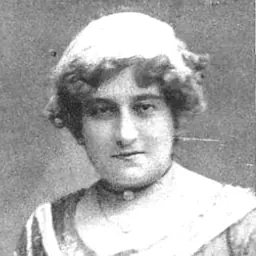

Related people
Same field, nearest in time

Contemporaries
People whose lives overlapped Catalina Bárcena's



Frequently asked questions
Who was Catalina Bárcena?
Spanish actor (1888-1978)
When was Catalina Bárcena born?
Catalina Bárcena was born on 10 December 1888 in Cienfuegos.
When did Catalina Bárcena die?
Catalina Bárcena died on 3 August 1978 in Madrid.
What was Catalina Bárcena's occupation?
Catalina Bárcena was a stage actor, film actor and actor.
What nationality was Catalina Bárcena?
Catalina Bárcena was Spanish.
Sources & further reading
Cite this page
APA: Biography.guide. (2026). Catalina Bárcena. https://biography.guide/catalina-barcena/
MLA: "Catalina Bárcena." Biography.guide, https://biography.guide/catalina-barcena/.
Chicago: "Catalina Bárcena." Biography.guide. https://biography.guide/catalina-barcena/.
Data last updated: 2026-09-26 · Spot an error? Report a correction.
Page generated 2026-09-27 05:14 UTC