
About Carroll Dale
Born 1938. Carroll Dale is an American american football player.
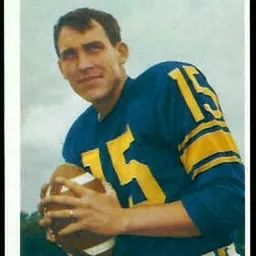
Carroll Wayne Dale (born April 24, 1938) is an American former professional football player who was a wide receiver in the National Football League (NFL) for the Los Angeles Rams, Green Bay Packers, and Minnesota Vikings. He has been inducted into the College Football Hall of Fame. Dale was an All-American playing college football for the Virginia Tech Hokies, and has been inducted into Virginia Tech’s Sports Hall of Fame. In 1965, he became a member of the Green Bay Packers teams that won three straight NFL championships, and the first two Super Bowls, and has been inducted into the Packers Hall of Fame. He was selected to three consecutive Pro Bowls (1968 to 1970). Dale was originally from Wise, Virginia and returned to live in Wise after becoming the first full-time athletic director at the University of Virginia College at Wise.
Early life Dale was born on April 24, 1938, in Wise, Virginia. He was raised in Wise, and attended J. J. Kelly High School (also known as Wise High School), a school with only 750 students. Dale was class president in high school. In the Summer of 1955, he was selected to attend Boys' State, at the Virginia Polytechnic Institute (Virginia Tech) in Blacksburg, Virginia. Dale was sponsored by the Kiwanis Club, and was among those further selected to attend the National Boys' Meeting in Washington, D.C. He played on two high school championship football teams (1954 and 1955), and was selected All-County, All-District, and All-State, as well as being an honorable mention All-American.
College career Dale initially signed a letter of intent to attend the University of Tennessee on an athletic scholarship. He was again a two-way player, as well as becoming the team's punter. He was a wide receiver on offense, and on defense Dale has been described as a "floating end" and "corner man" during his Virginia Tech career. He was considered one of the fastest receivers among southern colleges. His three receiving touchdowns were tied for most in the Southern Conference. He also played end on defense, doing very well as a freshman.
As a junior in 1958, he had 25 receptions for 459 yards, leading the team in both categories. His 18.4 yards per reception and six receiving touchdowns led the Southern Conference that season. Dale was awarded the Southern Conference's Jacobs Blocking Trophy that season, after throwing key blocks in a number of games during the year. Dale also continued playing fine defense during that season. Dale was named team captain for the 1959 season. He punted 36 times that year for 1,181 yards (32.8 yards per punt).
During his college career Dale played in all 40 Hokies' games, starting 39 consecutive games. As a receiver, over four years he had 67 receptions for 1,195 yards (17.8 yards per reception) and 15 receiving touchdowns. and 1959. The Roanoke Touchdown Club named him Lineman of the Year for three consecutive years (1957 to 1959). the January 1960 All-American Bowl and Senior Bowl, and the August 1960 Chicago College All-Star Game against the defending 1959 NFL champion Baltimore Colts. Dale started in the Chicago game against the Colts.
Professional career
Los Angeles Rams Dale was selected in the eighth round of the 1960 NFL draft by the Los Angeles Rams, 86th overall. Prior to the NFL draft, he was also selected in the first American Football League draft by the team that was to play in Minneapolis-St. Paul. Dale signed a contract to play for the Rams in January 1960.
In Dale's first Rams game, on September 23, 1960 against the St. Louis Cardinals, he caught a 54-yard touchdown pass from quarterback Frank Ryan. He caught a 40-yard touchdown pass from Billy Wade later that season. As a rookie in 1960, he played in all 12 Rams games, starting one game. He had 19 receptions for 336 yards (17.7 yards per receptions) and three touchdowns.
He became a full-time starting receiver in 1961, starting all 14 games with 35 receptions for 561 yards and two touchdown receptions. In 1962, he started nine of the 14 games in which he appeared, with 29 receptions for 584 yards and three touchdowns. His 20.1 yards per reception led the Rams, and was fifth best in the NFL that season. His 18.8 yards per receptions led the Rams, and was eighth best in the NFL. and his 17.0 yards per reception was ninth best in the NFL.
In five seasons with the Rams, he started 45 games, with 149 receptions for 2,663 yards and 17 receiving touchdowns.
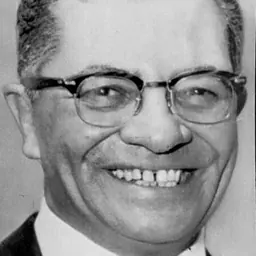
Green Bay Packers On April 13, 1965, he was traded to the Green Bay Packers in exchange for linebacker Dan Currie. Dale believed that his former Rams' receivers coach, Tom Fears, who had gone on to assist Packers head coach Vince Lombardi in Green Bay, played a role in the trade. He had three receptions for 63 yards in the divisional round playoff win over the Baltimore Colts. In the 1965 NFL Championship Game against the Cleveland Browns, he had two receptions for 60 yards. He scored the first touchdown in the Packers 23–12 win over the Browns, on a 47-yard pass from Bart Starr. He had the most receiving yards (123) in the NFL playoffs in 1965. Dale started all 14 games for the Packers, playing both tight end and wide receiver during the season. He was second on the Packers with 37 receptions and led the team in receiving yards (876), yards per reception (23.7) and receiving touchdowns (7).
The Packers defeated the Dallas Cowboys, 34–27, in the NFL Championship Game. Dale had five receptions for 128 yards. He caught a 51-yard touchdown pass from Starr in the game, beating defensive back Cornell Green on the play. The Packers then defeated the Kansas City Chiefs in Super Bowl I, 35–10. Dale had four receptions for 59 yards. Dale had the most receptions (9) and receiving yards (187) in the playoffs that season. In the Packers 1967 divisional round 28–7 win over the Los Angeles Rams, Dale had six receptions for 109 yards, including a 17-yard touchdown reception, and a long reception of 48 yards. The Packers then defeated the Cowboys, 21–17, in the 1967 NFL Championship Game, which came to be known as the Ice Bowl because the temperature when the game began was –13 degrees Fahrenheit (–10.6 C), and only got colder as the game progressed. Dale caught three passes for 44 yards in the game. The Packers defeated the Oakland Raiders in Super Bowl II, 33–14. Dale had four receptions for 43 yards. For the third consecutive season he had the most receiving yards in the playoffs (196), and he also had the most receptions in the playoffs that season (13). He was tied for fourth best in the NFL in yards per reception, tied for fifth in receiving touchdowns, and was eighth in total receiving yards. He was selected to play in the Pro Bowl for the first time in his career, and was named second-team All-Pro by the Newspaper Enterprise Association. The Packers finished the season 6–7–1 and did not make the playoffs. Dale had another Pro Bowl season in 1969. He led the Packers in receptions (45), receiving yards (879), and receiving touchdowns (6). He averaged 19.5 yards per reception, fourth highest in the NFL that season, and was eighth in total receiving yards.
Dale was selected to the Pro Bowl for a third consecutive season in 1970. He led the Packers in receptions (49), receiving yards (814), and yards per reception (16.6). He was 10th in the NFL in total receiving yards. for the longest pass reception of the year in the NFL that season. Dale also had a 23-yard touchdown reception in the Atlanta game, and had four receptions for 186 yards overall in that game. He was eighth in the NFL in yards per reception. In 1972, the Packers reached the playoffs again for the first time since Super Bowl II. Dale started all 14 games but had only 16 receptions for 317 yards. The team's top two running backs, John Brockington and MacArthur Lane, rushed for over 1,800 combined yards; and the Packers had 2,127 rushing yards to 1,412 passing yards that season. Dale had two receptions for 28 yards in the 16–3 divisonal round playoff loss to the Washington Redskins.
The Packers waived Dale in mid-September 1973, before the start of the season. He was among the few remaining Packers from the Lombardi era championship teams. Packers head coach Dan Devine said at the time "It's hard to put into words what Carroll Dale has meant to the Packers . . . He has always given 100 per cent on the practice and game field". Dale was considering an offer to become an assistant coach with the Packers, when he was claimed off of waivers by the Minnesota Vikings.
In eight seasons with the Packers, Dale started 110 games, with 275 receptions for 5,422 yards and 35 touchdown receptions. In eight playoff games with the Packers, he had 29 receptions for 534 yards, averaging 18.4 yards per reception, with three receiving touchdowns.
Minnesota Vikings Dale played his final NFL season with the Minnesota Vikings. He started 12 games, and had 192 yards on 14 receptions that season. The Vikings reached Super Bowl VIII, losing to the Miami Dolphins, 24–7. In the Vikings 27–20 win over the Washington Redskins in the divisional round of the playoffs, Dale had two receptions for 31 yards, the final receptions of his 14-year NFL career.
College athletics administrator In 1991, Dale left the coal mining business and was named the first full-time athletic director at Clinch Valley College (later known as the University of Virginia's College at Wise), overseeing all of the school's sports. He also worked as an athletic fundraiser for the school. Dale worked less than a mile from his childhood home, and near J. J. Kelly High School in Wise, where the school's athletic stadium had been renamed Carroll Dale Stadium in 1967. Dale headed the school's athletic department in the first year it introduced football to its athletic program; the first game being played in September 1991 at Carroll Dale Stadium. Dale provided some coaching to the team's receivers, and became an assistant to head coach Bill Ramseyer. Green Bay Packers Hall of Fame in 1979 and into the College Football Hall of Fame in 1987. He has been selected to the Southern Conference's 100th Anniversary Team. His number (84) was retired by Virginia Tech. In 1982, Dale was in the inaugural class of inductees to the Virginia Tech Sports Hall of Fame. and was the first Hokie to play in a Super Bowl.
Personal life Dale has worked closely with the Fellowship of Christian Athletes. While living in Bristol, Tennessee after his playing career, he was president of Sunshine Inc., a strip mining company in Virginia, before becoming an athletic director in 1991. He had been in the coal mining business for 17 years.
Dale currently resides in his birthplace, Wise, Virginia.
Don’t just read it —
keep it.
Full-length biographies made to live with: read them, listen on the way to work, watch them tonight.
- E-book
- Audio
- Video
Instant download · yours to keep · every purchase keeps this site free
Important facts
People in Carroll Dale's life
Named in this biography and alive at the same time





Related people
Same field, nearest in time


Contemporaries
People whose lives overlapped Carroll Dale's


Frequently asked questions
Who is Carroll Dale?
former American football wide receiver
When was Carroll Dale born?
Carroll Dale was born on 24 April 1938 in Wise.
What is Carroll Dale's occupation?
Carroll Dale is an american football player.
What nationality is Carroll Dale?
Carroll Dale is American.
Sources & further reading
Cite this page
APA: Biography.guide. (2026). Carroll Dale. https://biography.guide/carroll-dale/
MLA: "Carroll Dale." Biography.guide, https://biography.guide/carroll-dale/.
Chicago: "Carroll Dale." Biography.guide. https://biography.guide/carroll-dale/.
Data last updated: 2026-09-20 · Spot an error? Report a correction.
Page generated 2026-09-27 05:25 UTC