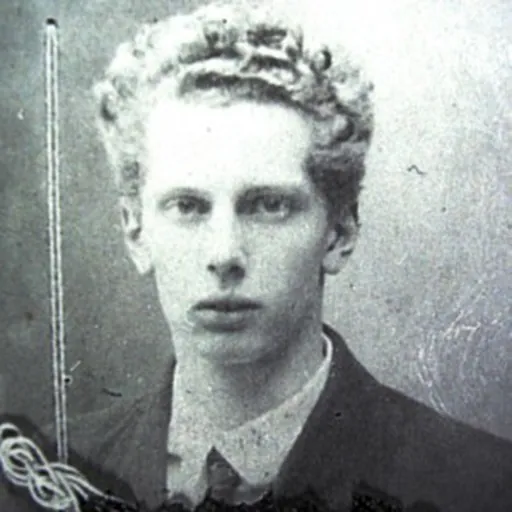
About Boris Blacher
Lived 1903 – 1975 (aged 72). Boris Blacher was a German composer, musicologist, librettist, university teacher, writer and conductor.
Boris Blacher (30 January 1975) was a German composer and librettist.
Life Blacher was born when his parents (of German-Estonian and Russian backgrounds) were living within a Russian-speaking community in the Manchurian town of Niuzhuang (hence the use of the Julian calendar on his birth record). He spent his first years in China and in the Asian parts of Russia, and in 1919, he eventually came to live in Harbin.
In 1922 he went to Berlin where he began to study first architecture, mathematics, and then music at the Berlin Hochschule fuer Musik. He found work arranging popular and film music.
Two years later, he turned to music and studied composition with Friedrich Koch.
His career was interrupted by National Socialism. He was accused of writing degenerate music and lost his teaching post at the Dresden Conservatory.
His career resumed after 1945, and he later became president of the Academy of Arts, Berlin, and is today regarded as one of the most influential music figures of his time. His students include Aribert Reimann, Isang Yun, Maki Ishii, Fritz Geißler, Giselher Klebe, Heimo Erbse, Richard Aaker Trythall, Klaus Huber, Francis Burt, Gottfried von Einem, Kalevi Aho and Richard Wernick.
Blacher was married to the pianist . They had four children including the German actress Tatjana Blacher and the international violinist Kolja Blacher. He died in Berlin in 1975, aged 72. He was buried in an Ehrengrab in the Waldfriedhof Zehlendorf, Berlin.
Works List of works:
1915-17: Visions fugitives, Op. 22 (arranged 1935) 1929: Habemeajaja, chamber opera, premiered 1987 1929: Jazz-Koloraturen, Op. 1 for coloratura soprano, alto saxophone and bassoon. 1930: String Quartet No. 1, Op. 11 1931: String Trio - Three Studies on Jewish folksongs 1931: Fünf Sinnsprüche Omars des Zeltmachers, Op. 3 for mezzo-soprano and piano 1931: Konzert-Ouvertüre 1931: Two Toccatas for piano 1932: Kleine Marschmusik, Op. 2 for orchestra 1933: Orchester-Capriccio über ein Volkslied, Op. 4 for orchestra 1934: Alla Marcia for orchestra 1935: Divertimento for string orchestra 1935: Etüde for string quartet 1935: Fest im Süden, Op. 6 Danse-drama in one act by Ellen Petz 1935: Fest im Süden - Suite for orchestra 1936: Divertimento for wind orchestra, Op. 7 1937: Concertante Musik, Op. 10 for orchestra 1938: Symphony, Op. 12 1938: Dance Scenes La Vie, ballet in one act 1938: Rondo for orchestra 1939: Harlekindae, Op. 13 ballet in one act with prologue and epilogue by Jens Keith 1940: Fürstin Tarakanowa (Princess Tarakanova), Op. 19 opera in three acts 1940: Fürstin Tarakanowa, Op. 19a - Suite for orchestra 1940: String Quartet No. 2, Op. 16 1940: Flute Sonata, Op. 15 1940: Concerto for String Orchestra, Op. 20 1940: Hamlet; Symphonic Poem, Op. 17 for orchestra 1940: Two Sonatinas, Op. 14 for piano 1940-41: Cello Sonata 1941: Violin Sonata, Op. 18 1942: Sonatina for Piano Four Hands 1942: Der Großinquisitor (The Grand Inquisitor), Op.21 - Oratorio after Dostoyevsky by Leo Borchard 1943: Three Pieces for piano, Op. 23 1943: Romeo und Julia, Op. 22 chamber opera, premiered Salzburg Festival 1950 1943: Drei Psalmen for baritone & piano (Psalms 142, 141 & 121). Arranged for chamber ensemble in 1966 by Beyer 1943: Piano Sonata No. 1, Op. 14/1 1943: Piano Sonata No. 2, Op. 14/2 1944: String Quartet No. 3, Op. 32 1944: Vier Chöre on texts by Francois Villon 1945: Partita for strings & 6 percussion, Op. 24a 1945: Concerto for Jazz Orchestra 1946: Chiarina, Op. 33 - ballet in one act by Paul Strecker 1946: , Op. 24b radio opera 1946: Divertimento for trumpet, trombone and piano, Op. 31 1946: Die Flut (The Tide), Chamber opera in one act (text by Heinz von Cramer) 1947: Piano Concerto No. 1. Op. 28 1947: Orchestral Variations on a Theme by Paganini, Op.26 1947: (The Night Swallow), Op. 27 Zeitoper in one act 1947: Four Songs, Op. 25 for soprano and piano. Text by Friedrich Wolf 1948: Violin Concerto, Op 29 1949: Hamlet, Op. 35 - ballet in a prologue and three scenes after Shakespeare by Tatjana Gsovsky 1949: Hamlet - Suite for orchestra 1949/52: Preußisches Märchen (A Prussian Fairytale) , ballet-opera in six scenes 1950: Ornamente, Sieben Studien über variable Metren", Op. 37 for piano 1950: Lysistrata, Op. 34 ballet in three scenes after Aristophanes 1950: Lysistrata - Suite, Op. 34a from ballet for orchestra 1950: Concerto for Clarinet, Bassoon, Horn, Trumpet and Harp, Op. 36. 1951: Piano Sonata No. 3, Op. 39 1951: Divertimento for four woodwinds, Op. 38 1951: Epitaph: In memory of Franz Kafka, (String Quartet No. 4), Op. 41 1951: Sonata for solo violin, Op. 40 1951: Dialog for flute, violin, piano and string orchestra 1951: Nebel, for voice and piano 1952: Piano Concerto No. 2 (in variable metres), Op. 42 1953: Orchester-Ornament, Op. 44 1953: Studie im Pianissimo, Op. 45 for orchestra 1953/57: , Op. 43 experimental opera in one act 1954: Two Inventions, Op. 46 for orchestra 1954: Viola Concerto, Op. 48 1954: Francesca da Rimini, Op. 47 - fragment from Dante's Divina Commedia, for soprano and solo violin 1955: Der Mohr von Venedig, Op. 50 - ballet in 6 scenes and an epilogue after Shakespeare by Erika Hanka 1955: Träume vom Tod und vom Leben, Op. 49 - Cantata after a poem by Hans Arp for tenor, choir and orchestra 1956: Orchester-Fantasie, Op. 51 1956: Hommage à Mozart - Metamorphoses on a group of Mozart themes, for orchestra 1957: Music for Cleveland, Op. 53 for orchestra 1957: Two Poems, Op. 55 for jazz quartet 1957/64 Thirteen Ways of Looking at a Blackbird, Op. 54 for soprano and string quartet (or piano) 1958: Aprèslude, Op. 57 for voice and piano 1958: Songs of the Sea Pirate O'Rourke, Op. 56 for solo voices and orchestra 1958: Requiem, Op. 58 1959: Musica giocosa, Op. 59 for orchestra 1960: Rosamunde Floris, Op. 60 - opera (libretto by Gerhart von Westerman, based on the play by Georg Kaiser) 1961: Jüdische Chronik (A Jewish Chronicle), for chorus and orchestra 1961: Variations on a theme of Muzio Clementi, Op. 61 for piano and orchestra 1962: Five Negro Spirituals, for mezzo-soprano and ensemble 1962: Multiple Raumperperspektiven: piano and electronics 1963: Perpetuum Mobile for solo violin 1963: Konzertstück for wind quintet and strings 1963: Demeter, ballet in four scenes by Yvonne Georgi 1963: Demeter - Suite for orchestra 1963: Drei Chansons aus Shakespeare's Romeo und Juliet for voice and Piano. 1963: Fanfare for the Opening of the Philharmonie [Berlin] 1964: Cello Concerto, premiered by Siegfried Palm 1964: Zwischenfälle bei einer Notlandung (Incidents after a Crash-landing), electronic opera 1964: Skalen 2:3:4, electronic 1964/67: Four Studies for harpsichord 1965: Elektronische Impulse, electronic 1965: Octet for clarinet, bassoon, horn and strings 1965: Tristan, ballet in seven scenes by Tatjana Gsovsky 1966: Tristan - Suite for orchestra 1966: Virtuose Musik for solo violin, 10 winds, timpani, percussion and harp 1966: Plus Minus One for string quartet and jazz ensemble 1967: Spiel mit (mir), for 2 violins and recorder 1967: Ungereimtes, nach Kinderreimen komponiert for baritone/mezzo-soprano and piano 1967: String Quartet No. 5 Variationen über einen divergierenden c-moll-Dreiklang 1968: Ariadne, duodrama for two speakers and electronics 1968: Collage for orchestra 1969: Anacaona, six poems by Alfred Tennyson for mixed chorus a cappella about the Indian Queen Anacaona 1969: 200 000 Taler, opera after Sholem Aleichem's 1915 play "Dos groyse gevins"; premiered at the Deutsche Oper Berlin 1969: Vier Ornamente for violin and piano ad lib. 1970: Musik für Osaka, electronic 1970: Concerto for piccolo trumpet and string orchestra 1970: Piano Trio 1971: Clarinet Concerto 1972: Blues, Espagnola und Rumba philharmonica, for 12 solo cellos 1972: Stars and Strings, for jazz ensemble and strings 1972: Duo for flute and piano 1972: Sonata for two cellos and 11 instruments ad libitum 1973: Variationen über eine Tonleiter for solo violin 1973: Yvonne, Prinzessin von Burgund, opera in 4 acts. Libretto based on the play by Witold Gombrowicz 1973: For Seven = 3(6+x) for soprano and jazz ensemble 1973: Vokalisen for chorus a cappella 1973-74: Quintet for flute, oboe, violin, viola and cello 1974: 24 Preludes for Piano 1974: Poem for large orchestra (1974), dedicated to Tatjana Gsovsky 1974: Variationen über ein Thema von Tschaikowsky ("Rokoko-Variationen"), for cello and piano 1974: Pentagramm for 16 strings 1974: Poème for orchestra 1974: Prelude and Concert Aria for mezzo-soprano and orchestra 1975: Das Geheimnis des entwendeten Briefes (The Secret of the Stolen Letter), chamber opera 1975: Fragment for string quartet
Blacher wrote the libretto for Gottfried von Einem's operas Dantons Tod (1947) and Der Prozeß (1953).
Don’t just read it —
keep it.
Full-length biographies made to live with: read them, listen on the way to work, watch them tonight.
- E-book
- Audio
- Video
Instant download · yours to keep · every purchase keeps this site free
Important facts
People in Boris Blacher's life
Named in this biography and alive at the same time

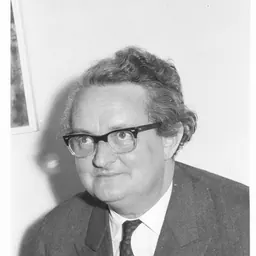


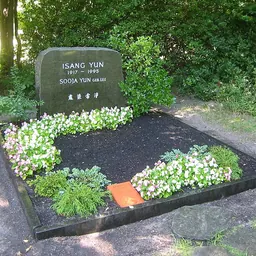

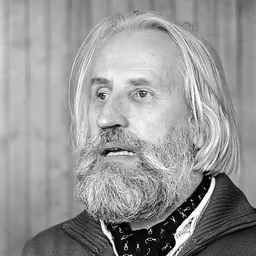
Related people
Same field, nearest in time




Contemporaries
People whose lives overlapped Boris Blacher's
Frequently asked questions
Who was Boris Blacher?
German composer (1903-1975)
When was Boris Blacher born?
Boris Blacher was born on 6 January 1903 in Yingkou.
When did Boris Blacher die?
Boris Blacher died on 30 January 1975 in Berlin.
What was Boris Blacher's occupation?
Boris Blacher was a composer, musicologist, librettist, university teacher, writer and conductor.
What nationality was Boris Blacher?
Boris Blacher was German.
Sources & further reading
Cite this page
APA: Biography.guide. (2026). Boris Blacher. https://biography.guide/boris-blacher/
MLA: "Boris Blacher." Biography.guide, https://biography.guide/boris-blacher/.
Chicago: "Boris Blacher." Biography.guide. https://biography.guide/boris-blacher/.
Data last updated: 2026-09-21 · Spot an error? Report a correction.
Portrait: Wikimedia Commons · author & licence
Page generated 2026-09-27 05:00 UTC