
About Ausiàs March
Lived 1400 – 1459. Ausiàs March was a poet, writer and knight.
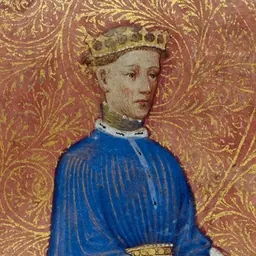
Ausiàs March (; 1400 – March 3, 1459) was a Valencian poet and knight from Gandia, Valencia. He is considered one of the most important poets of the "Golden Century" (Segle d'or) of Valencian literature.
Biography Not much is known of March's life. He was born in approximately 1400 to a Valencian noble family. His father, Pere March, was himself a poet and served at the court of the younger brother of King Alfonso IV, Peter. His uncle, Jaume March II, was also a poet. March was one of the two children of Pere's second wife, Lionor of Ripoll; he had a younger sister, Peirona.
In 1413, the still-young March became head of his family—part of the Valencian petty nobility—upon the death of his father. From a very young age he took part in the expeditions that King Alfons el Magnànim carried out in the Mediterranean. After returning from these expeditions in 1427, he settled in Gandia. After his return, he would never again leave the region where he was born. March was twice married: first to Isabel Martorell (sister of the writer Joanot Martorell), and later to Joana Escorna.
In 1450, he moved from Gandia to Valencia. It was there that he died on March 3, 1459. While March himself was buried in his family's chapel at the Valencia Cathedral, his two wives and family are buried in the Monastery of Sant Jeroni de Cotalba. Five illegitimate children but no legitimate heirs have been attributed to him.
Poetry
Inheriting an easy fortune from his father, Pere March—the treasurer to the Duke of Gandia—and enjoying the powerful patronage of Charles of Viana, prince of Aragon, March was able to devote himself to poetical composition. He was an undisguised follower of Petrarch, carrying the imitation to such a point that he addressed his Cants d'amor (love songs) to a lady whom he professed to have seen first in church on Good Friday. So far as the difference of language allows, he reproduced the rhythmical cadences of his model, but this should be qualified as the medieval tradition of locus communis requested this following. This is something Petrarch himself did and it need not to be stressed. March is a very original and idiosyncratic poet. In the Cants de mort (death hymns) he touches a note of brooding sentiment peculiar to himself.
Gallery
Don’t just read it —
keep it.
Full-length biographies made to live with: read them, listen on the way to work, watch them tonight.
- E-book
- Audio
- Video
Instant download · yours to keep · every purchase keeps this site free
Important facts
People in Ausiàs March's life
Named in this biography and alive at the same time

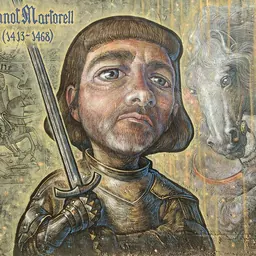
Related people
Same field, nearest in time
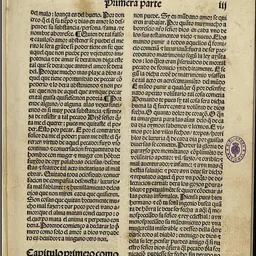
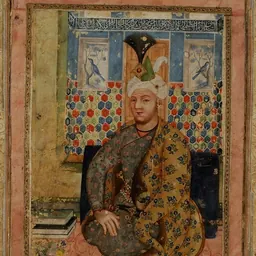
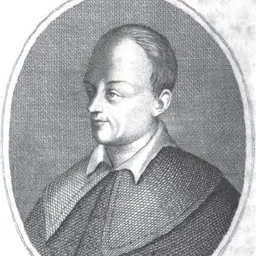



Contemporaries
People whose lives overlapped Ausiàs March's



Frequently asked questions
Who was Ausiàs March?
Valencian poet and knight
When was Ausiàs March born?
Ausiàs March was born in 1400 in Beniarjó.
When did Ausiàs March die?
Ausiàs March died on 3 March 1459 in Valencia.
What was Ausiàs March's occupation?
Ausiàs March was a poet, writer and knight.
What nationality was Ausiàs March?
Ausiàs March's recorded nationality: Crown of Aragon.
Sources & further reading
Cite this page
APA: Biography.guide. (2026). Ausiàs March. https://biography.guide/ausias-march/
MLA: "Ausiàs March." Biography.guide, https://biography.guide/ausias-march/.
Chicago: "Ausiàs March." Biography.guide. https://biography.guide/ausias-march/.
Data last updated: 2026-09-20 · Spot an error? Report a correction.
Page generated 2026-09-27 05:18 UTC