
About Arno Villringer
Born 1958. Arno Villringer is a German neurologist and physician.
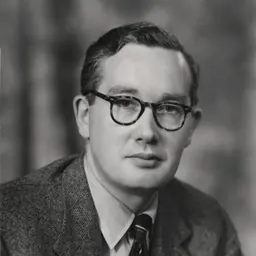
Arno Villringer (born 1958 in Schopfheim) is a German neuroscientist, physician and university professor. He serves as Director of the Department of Neurology at the Max Planck Institute for Human Cognitive and Brain Sciences in Leipzig, Germany; Director of the Clinic for Cognitive Neurology at University of Leipzig Medical Center; and founder as well as spokesperson and Academic Director of the Berlin School of Mind and Brain. He holds a full professorship at University of Leipzig and an honorary professorship at Charité, Humboldt University of Berlin. Between July 2022 and June 2025, he was Chairperson of the Human Sciences Section of the Max Planck Society.
Life and career Villringer studied medicine at University of Freiburg from 1977 to 1984, where he also received a Doctor of Medicine. After a fellowship at the Nuclear Magnetic Resonance Unit at Massachusetts General Hospital at Harvard Medical School in 1985, he was a neurology resident at LMU Munich, became a board-certified neurologist in 1992, and gained his habilitation in 1994.
From 1993 to 2007, he worked at the Department of Neurology at the Charité in Berlin, first as a consultant, and later as a professor and head of the Department of Neurology at the Benjamin Franklin Campus.
Further areas of research include interactions between mind, brain, and body, neuroplasticity, and conscious and unconscious processing in the somatosensory system. His work uses a range of methods, including behavioral and neurocognitive testing, neuroimaging techniques (e.g., MRI, EEG, MEG, fNIRS, EEG/fMRI), neurostimulation approaches (tDCS, TMS, tACS, focused ultrasound), as well as brain-computer interfaces and virtual reality.
Work Perfusion imaging Villringer pioneered magnetic resonance perfusion imaging of the brain by demonstrating that susceptibility contrast agents such as GdDTPA may be employed in magnetic resonance imaging (MRI). The susceptibility-based contrast mechanism later became relevant for the Blood Oxygenation Level Dependent (BOLD) signal in functional magnetic resonance imaging (fMRI).
Optical imaging In 1993, Villringer showed the feasibility of noninvasive functional near-infrared spectroscopy and imaging (fNIRS, fNIRI) of the human brain followed by over 50 publications establishing and validating fNIRS.
Since 1992, his research focus has been on neurophysiological mechanisms underlying brain function and plasticity, using multi-modal brain imaging, e.g., signatures of neuronal inhibition in functional brain imaging, combined fNIRS/fMRI to establish relationship between BOLD and deoxy-Hb concentration in fMRI, combined EEG/fMRI to show fMRI correlates of background rhythms and simultaneously assess neuronal spiking and fMRI.
Brain plasticity, development of vascular risk factors, heart-brain interactions, stroke Villringer has proposed the hypothesis that (maladaptive) brain plasticity is crucial for the development of vascular risk factors leading to stroke and for the (lack of) recovery after stroke, and that brain plasticity can be beneficially modified. He examines brain–body interactions as a link between cardiovascular and mental health and their role in shaping somatosensory perception. Since 2005, he has been a member of the faculty of the International Max Planck Research School on the Life Course in Berlin. He has been a member of the Board of Directors of the Leipzig Research Center for Civilization Diseases (LIFE) since 2008 Since 2018, he has been a faculty member of the International Max Planck Research School IMPRS Comp2Psych and spokesperson of the Max Planck School of Cognition, a Germany-wide network involving multiple universities and Max Planck Institutes. Since 2026, he has been a principal investigator in the Excellence Cluster Leipzig Center of Metabolism (LeiCeM) at the University of Leipzig, scheduled to run until 2033. From 2013 to 2021, he was a member of the Steering Committee of the Collaborative Research Center 1052 "Obesity Mechanisms" funded by the German Research Foundation (DFG) in Leipzig. Between 2013 and 2020, he served as spokesperson of the International Max Planck Research School IMPRS NeuroCom in Leipzig and was a faculty member of the Research Training Group 2386 "Extrospection: External Access to Higher Cognitive Processes" from 2018 to 2024. He was also a board member of the International Max Planck Research School IMPRS NeuroCom from 2020 to 2023 2006: Pater Leander Fischer Award by the German Society of Laser Medicine (2005) 2024: Fellow of the Organization of Human Brain Mapping
Don’t just read it —
keep it.
Full-length biographies made to live with: read them, listen on the way to work, watch them tonight.
- E-book
- Audio
- Video
Instant download · yours to keep · every purchase keeps this site free
Important facts
Related people
Same field, nearest in time






Contemporaries
People whose lives overlapped Arno Villringer's





Frequently asked questions
Who is Arno Villringer?
German neurologist
When was Arno Villringer born?
Arno Villringer was born on 30 October 1958 in Germany.
What is Arno Villringer's occupation?
Arno Villringer is a neurologist and physician.
What nationality is Arno Villringer?
Arno Villringer is German.
Sources & further reading
Cite this page
APA: Biography.guide. (2026). Arno Villringer. https://biography.guide/arno-villringer/
MLA: "Arno Villringer." Biography.guide, https://biography.guide/arno-villringer/.
Chicago: "Arno Villringer." Biography.guide. https://biography.guide/arno-villringer/.
Data last updated: 2026-09-20 · Spot an error? Report a correction.
Page generated 2026-09-27 05:27 UTC