
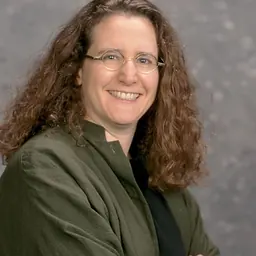
About Amina Jindani
Born 1936. Amina Jindani is a researcher.
Amina Jindani FRCP, is a leading clinical trialist, who has spent forty years conducting randomised controlled trials seeking to improve the treatment of drug-susceptible tuberculosis.
She was coordinator of clinical trials at the MRC Tuberculosis and Chest Diseases Unit, London, and the East African Tuberculosis Investigation Centre (1967–77). Over this period, the MRC undertook a series of clinical trials that developed modern short course treatment regimens for drug susceptible tuberculosis.
She then held positions at the Department of Preventive Medicine and Biostatistics, University of Toronto (1977–80), and the International Union Against Tuberculosis and Lung Disease, Paris (1997–2004).
Early life Jindani was born in Zanzibar in 1936, moved to the UK aged 15, and studied medicine at the University of London.
Doctoral research
Her PhD research developed the Early Bactericidal Assay, an experimental design to explore the ability of tuberculosis drugs to clear bacilli from sputum. This method is now widely used to evaluate new antibiotics for their activity against Mycobacterium tuberculosis in man.
Study A Jindani was chief investigator of Study A, a randomised controlled trial testing two 8-month regimens (one recommended in international guidelines at the time) against the current gold standard 6-month regimen for the treatment of newly diagnosed drug-susceptible pulmonary tuberculosis. The shorter regimen used rifampicin (rather than ethambutol) alongside the isoniazid during the 'continuation phase'.
Between 1998 and 2004, the trial enrolled 1,355 patients from eight centres in both Africa and Asia. It was the first TB trial to use a non-inferiority design. The trial clearly demonstrated that an 8 month regimen, then recommended in World Health Organisation guidelines, was inferior to the current six month regimen.
Study A was the key evidence supporting 2010 changes to the World Health Organisation's tuberculosis treatment guidelines, changes estimated to have prevented 100,000s of relapses and treatment failures per year.
Other work Jindani's other major trials include RIFAQUIN, RIFATOX and RIFASHORT. These trials all focused on use of high dose rifamycin in treatment regimens for drug susceptible tuberculosis. Prof Jindani's collaborators included Donald Enarson, Andrew Nunn and Denis Mitchison.
Personal life Jindani married lawyer Mohamed Keshavjee in 1977.
Recognition Jindani was elected Fellow of the Royal College of Physicians (London) in 2003. She was awarded the Ibn Sina Award for Medicine in 2018. In 2019, she was awarded the Princess Chichibu Memorial Global TB Prize, which is awarded annually by the Japan Anti-Tuberculosis Association to 'A person who has made internationally recognized achievements in scientific research on tuberculosis or tuberculosis control'. More recently, Jindani was named City St George's Extraordinary Woman 2025.
Don’t just read it —
keep it.
Full-length biographies made to live with: read them, listen on the way to work, watch them tonight.
- E-book
- Audio
- Video
Instant download · yours to keep · every purchase keeps this site free
Important facts
People in Amina Jindani's life
Named in this biography and alive at the same time




Related people
Same field, nearest in time



Contemporaries
People whose lives overlapped Amina Jindani's






Frequently asked questions
Who is Amina Jindani?
coordinator of clinical trials in TB therapeutics
When was Amina Jindani born?
Amina Jindani was born on 17 January 1936.
What is Amina Jindani's occupation?
Amina Jindani is a researcher.
Sources & further reading
Cite this page
APA: Biography.guide. (2026). Amina Jindani. https://biography.guide/amina-jindani/
MLA: "Amina Jindani." Biography.guide, https://biography.guide/amina-jindani/.
Chicago: "Amina Jindani." Biography.guide. https://biography.guide/amina-jindani/.
Data last updated: 2026-09-20 · Spot an error? Report a correction.
Page generated 2026-09-27 05:28 UTC