
About Alfred McCormack
Lived 1901 – 1956 (aged 54–55). Alfred McCormack was an American lawyer.
Colonel Alfred McCormack, CBE (1901–1956), was a trained attorney of Cravath, Swaine & Moore who during and after World War II served in the US Military Intelligence Service, where he proved crucial in developing military analysis of cryptographic intercepts in Operation Magic.
Background Alfred T.
In June 1942, McCormack received a commission as colonel in the US Military Intelligence Service, known as the Military Intelligence Corps as part of the US Department of War's general staff.
McCormack advocated that attorneys were ideal candidates to conduct cryptographic analysis, and he set about hiring many whom he knew. According to Henry Clausen, another investigator who worked closely with Stimson:
McCormack worked closely with British intelligence on procedure and in exchanges of personnel, formation, and intelligence. (As part of the 1943 BRUSA Agreement, McCormack, Colonel Telford Taylor of Military Intelligence, and Lieutenant Colonel William Friedman visited Bletchley Park in April 1943, where they worked with Commander Edward Travis (RN), head of the British communications intelligence (COMINT) facility, and shared their solution to the Japanese Purple machine. ) On July 1, 1944, he became Director of Intelligence for the Military Intelligence Service.
McCormack was involved in The Pond.
McCormack opposed the use of Black. Among others, he suspected that the British were reading the dispatches in the American "Black" code, not the Germans. He concluded that was not the case, but considerable ill feeling had been aroused (Churchill had told Roosevelt in February 1942 that he had stopped British work on American diplomatic codes, a warning to tighten them up).
McCormack resigned on April 23, 1946, in a memo to Dean Acheson, then acting Secretary of State, with the following explanation:
In its obituary, the New York Times later stated that McCormack had resigned in October 1946 "after a sharp difference in opinion over the organization of the department's intelligence functions."
He returned to Cravath in 1946.
In January 1952, McCormack reported to the Secretary of War "to study certain aspects of military intelligence." (date?): Order of the British Empire, Honorary Commander and E. Allan Farnsworth. The Redding Land Trust includes a "Col. Alfred McCormack Preserve" near Danbury, Connecticut.
Don’t just read it —
keep it.
Full-length biographies made to live with: read them, listen on the way to work, watch them tonight.
- E-book
- Audio
- Video
Instant download · yours to keep · every purchase keeps this site free
Important facts
People in Alfred McCormack's life
Named in this biography and alive at the same time
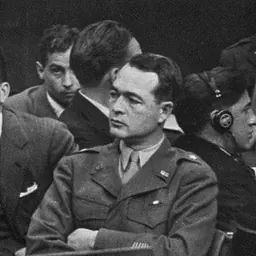
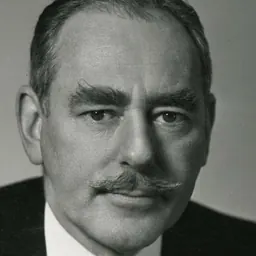
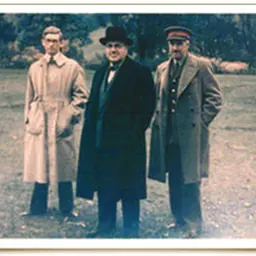

Related people
Same field, nearest in time

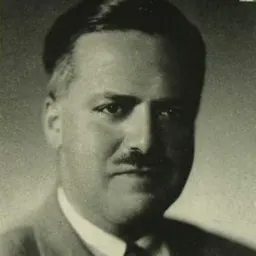

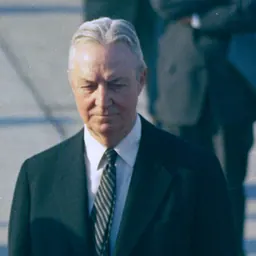

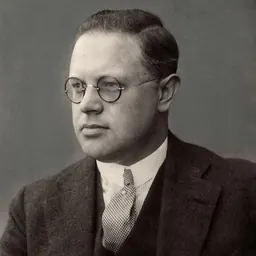
Contemporaries
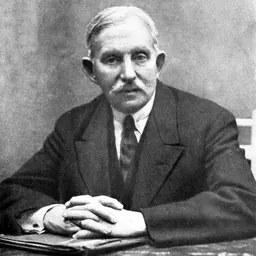
People whose lives overlapped Alfred McCormack's



Frequently asked questions
Who was Alfred McCormack?
American attorney and official in military intelligence (1901-1956)
When was Alfred McCormack born?
Alfred McCormack was born in 1901.
When did Alfred McCormack die?
Alfred McCormack died on 11 July 1956 in Greenwich.
What was Alfred McCormack's occupation?
Alfred McCormack was a lawyer.
What nationality was Alfred McCormack?
Alfred McCormack was American.
Sources & further reading
Cite this page
APA: Biography.guide. (2026). Alfred McCormack. https://biography.guide/alfred-mccormack/
MLA: "Alfred McCormack." Biography.guide, https://biography.guide/alfred-mccormack/.
Chicago: "Alfred McCormack." Biography.guide. https://biography.guide/alfred-mccormack/.
Data last updated: 2026-09-20 · Spot an error? Report a correction.
Page generated 2026-09-27 05:08 UTC